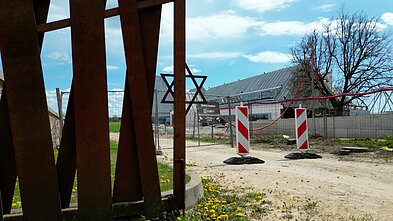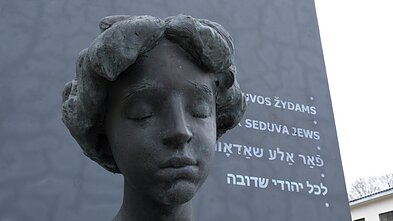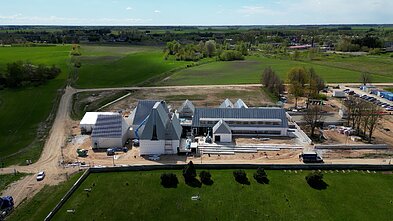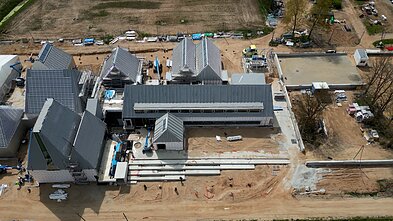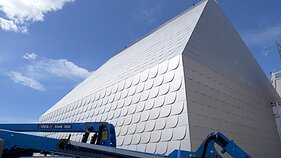






The largest memorial to Jews in Europe is being built in Lithuania’s town of Šeduva. Private funds are being used to recreate the life of a Jewish town.
The grandparents of former Israeli President Chaim Hercog and Prime Minister Benjamin Netanyahu lived in Šeduva. However, the main aim of the new memorial is to reflect Jewish memory and honour the victims of the Holocaust.
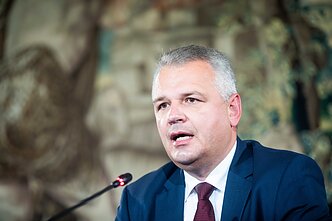
“We are not trying to chase after famous names. It is great that such people are from Šeduva, but it is much more important to talk about their ancestors – how they lived, what their culture and customs were like,” says Sergejus Kanovičius, founder of the Šeduva Jewish Memorial Foundation.
“Our focus is on the shtetl culture, which was destroyed, because when there are no people left, there are no disseminators of that culture,” he added.
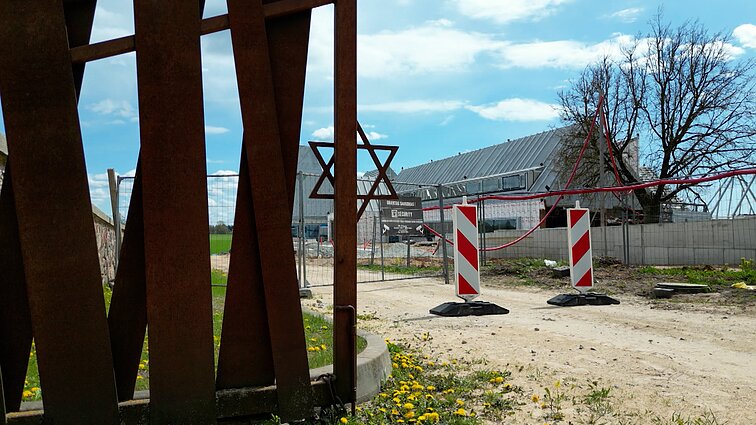
Shtetl is a Yiddish term for town. Jews settled in Šeduva in the 18th century. They were craftsmen, traders, farmers, doctors, pharmacists, and photographers. Jews made up more than half of the population of Šeduva. In the town, dozens of Jewish shops used to exist, as well as a synagogue, a religious school, and a ritual bath.
The entire Jewish community in Šeduva – around 700 people – were shot by the Nazis during their World War Two occupation of Lithuania.
“Šeduva had a really large Jewish community, but it disappeared after the tragic events. We have a considerable legacy from that period, ie the site of the synagogue, where the old synagogue used to stand,” said Vaidotas Katutis, head of the Šeduva Cultural Centre.
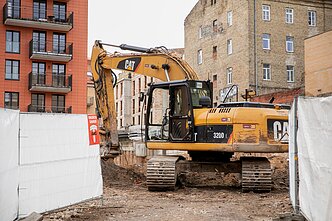
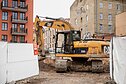
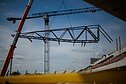
The museum, with an estimated floor space of 2,700 square metres, will open to visitors in the summer of next year. Construction is not yet complete, but exhibitions are already being created by an American company, with Italian, Finnish, Swiss, Estonian, British, and Spanish specialists also contributing to the project.
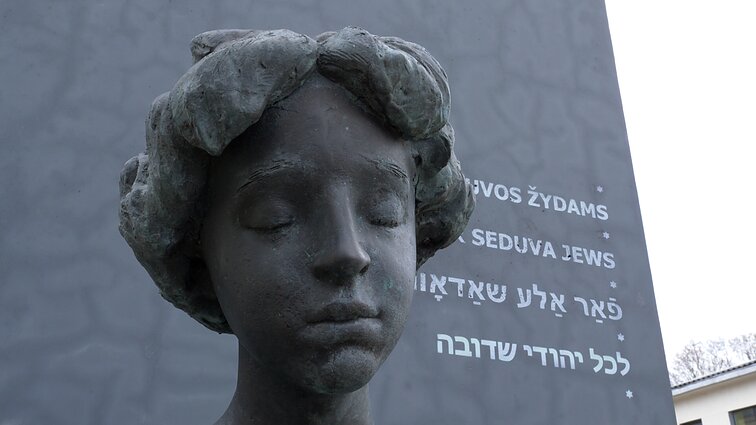
The Jewish memorial in Šeduva will be the largest in Europe. It is being built without any financial contribution from the municipality or the state.
“It’s funded by private business. We are truly unique because a project of this scale is unseen and unheard of in Lithuania. As far as funding is concerned, it is not a cheap project because we want to do everything as well as possible,” Kanovičius said.
Five years ago, the Lost Shtetl Museum was added to the list of European memorial sites, which is maintained by the Information Centre of Berlin’s Memorial to the Murdered Jews in Europe.

Newsletter
Every Friday morning.