
















Either for lack of job opportunities or to learn new skills, Lithuanians are rediscovering vocational schools. Many already have university degrees or decades-long careers behind them.
Vaidas Jukavičius, who graduated in communication from Vilnius University, did not limit himself to a bachelor’s degree and decided to enrol in a vocational school. He is now trained in managing gyms and has no regrets.
“I have a number of friends who went to university and then graduated from vocational schools. I think that everyone can find the right lessons, teachers and people who can help them perfect themselves both at university and at vocational school,” Jukavičius tells LRT TV.
Representatives of vocational schools say that more and more people with university degrees are seeking vocational training. Including people in advanced age.
Tomas Darbutas, deputy director of King Mindaugas Vocational Training Centre, says that some people want to become paramedics or florists, while others want to become cosmetologists or massage therapists.

“The age ranges from 20 to 60 years [...]. Probably around 60 percent have already tried something in their lives, so they choose continuing education,” says Darbutas.
Other vocational schools are also seeing these trends. At the Vilnius Technology and Engineering Training Centre, the most popular professions are electrician, welder, software tester, or office administrator.
“People with qualifications simply come to acquire new competences that are needed in this dynamic world,” says Mindaugas Černius, the school’s director.
People’s attitudes towards vocational education are changing and schools are increasingly trying to adapt to the labour market.
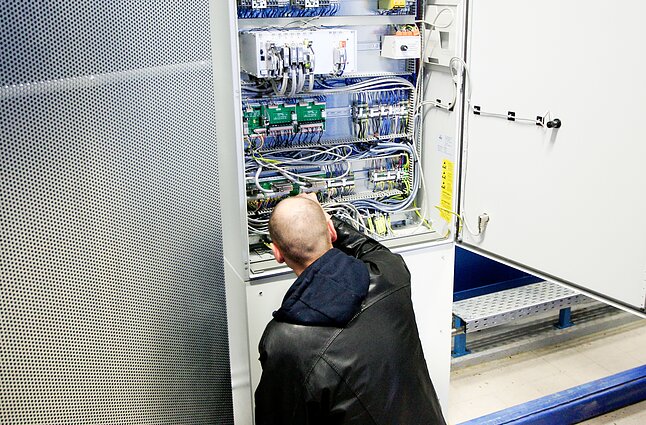
“For example, when there is a high demand for IT specialists and programmers, a number of vocational schools have moved strongly in that direction and started training programmers,” says Rita Karavaitienė, marketing manager at CV-Online LT.
For others, it is the difficulty of finding a job that pushes them to go to vocational school.
“With higher education, there are definitely areas where we have an overabundance of specialists. There are not as many job offers as there are graduates,” according to Karavaitienė.
While adults are committed to vocational training, secondary school graduates still prefer university education. Lithuania ranks second to last in the EU in terms of the number of students enrolled in vocational training alongside secondary education.

Newsletter
Every Friday morning.