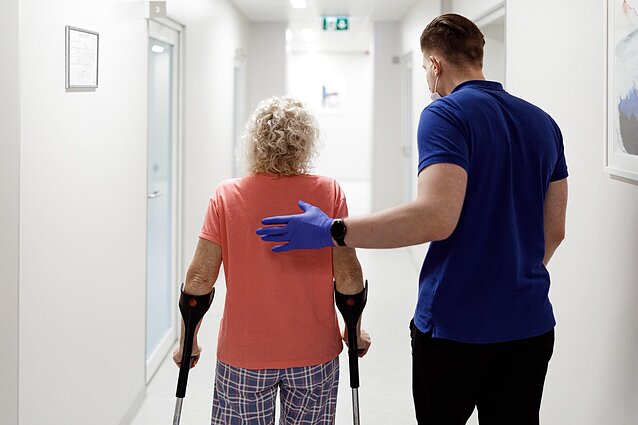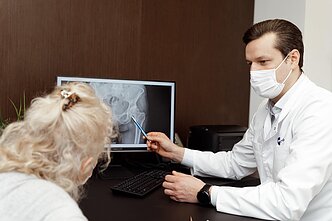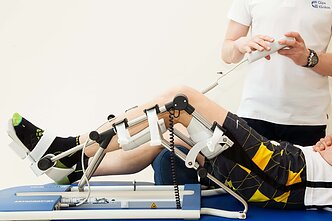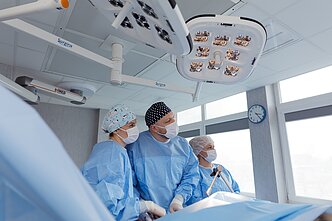













A growing number of people from the UK and other countries travel to Lithuania for medical treatment and surgeries. As they face long waits and high costs at home, Lithuania's medical tourism is expected to continue to grow in popularity.
Cathy Rice, a 68-year-old British woman, has been battling excruciating pain in her knee for 18 months when she finally decided to fly to Lithuania for treatment, The Guardian writes.
The woman needed a knee replacement for an injury caused by osteoarthritis but could neither wait for surgery through the National Health Service (NHS) nor pay for the private operation at home.
In Lithuania’s Kaunas, the operation was arranged within weeks and cost Rice 6,800 euros – around half the cost in the UK. A year after the first surgery, she returned to Lithuania to have the same procedure on her other knee, as she again faced the three-year wait on the NHS.
To cover the costs of the surgeries in Lithuania, Rice says she had to sell her house.
“People think that if you’re doing this you’ve got a wonderful pension or you’re very well off. But the driver here is that people are in pain. This is not medical tourism; it’s medical desperation,” she explained.
Growing trend
According to the Guardian, Rice is part of a growing trend in the UK of seeking private treatment abroad. Lithuanian medical institutions confirm this trend.
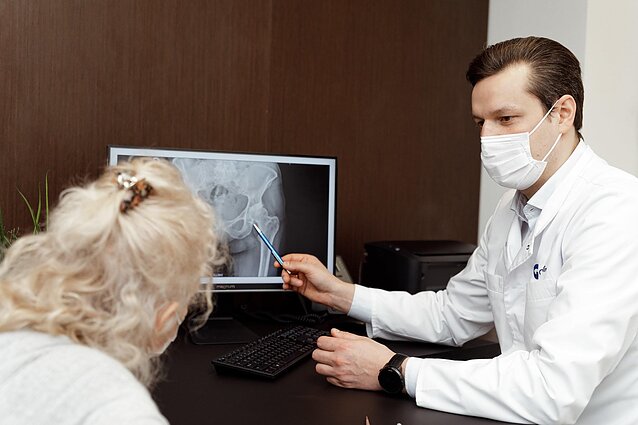
For example, the Medical Diagnostic and Treatment Centre in Vilnius treats around 150,000 patients every year, including around 5,000 from the UK.
According to Rasa Petrikienė, the medical director of Gijos Klinikos, which operates a network of private clinics, 2,700 operations were performed by its surgeons last year, with 30 percent of the patients coming from abroad.
“Most of our foreign patients come from the UK and Ireland, but we also receive a number of patients from Denmark and the Netherlands. Although there are some Lithuanian emigrants, the majority of these patients are foreign citizens with no ties to Lithuania,” Petrikienė said.
According to her, foreign patients choose Lithuanian for the quality of medical procedures as well as price, which is several times lower than in private clinics in their countries. Lithuania is also conveniently located and easy to reach with short and cheap direct flights from the UK, Denmark, or the Netherlands, she stressed.
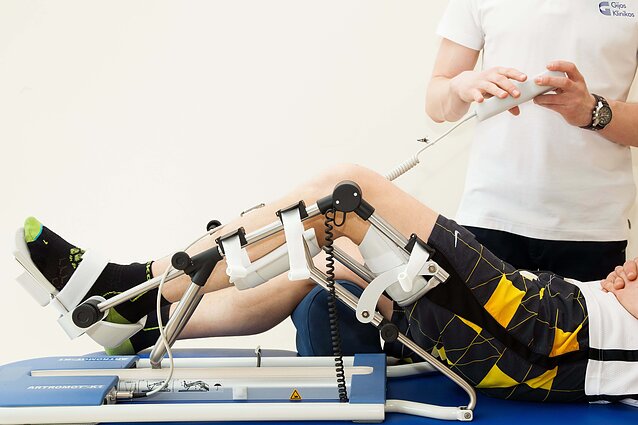
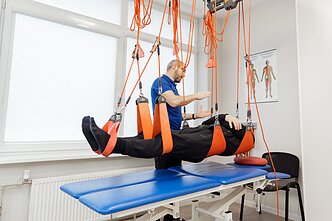
Most of the foreign patients come to Lithuania for orthopaedic surgeries and rehabilitation treatment, according to the representative of Gijos Klinikos.
“The most popular surgeries are arthroscopic (minimally invasive) joint surgeries and hip and knee joint replacement surgeries. The number of plastic surgeries and bariatric surgeries (stomach reduction and obesity treatment) is also increasing every year,” Petrikienė said.
The waiting time depending on the time of the surgery is currently between one and four months at Gijos Klinikos, she noted.
No compensations
Several private Lithuanian clinics provide services to international patients, including Gijos Klinikos, Kardiolita, Nordclinic, Medical Diagnostic and Treatment Centre.
According to them, foreign patients find their services as information spreads by word of mouth. Clinics also cooperate with medical tourism agencies. However, this increases the cost of the package for the patient.
Patients are usually consulted remotely before they arrive in Lithuania, are asked to fill in a questionnaire about their health and sometimes provide X-rays and blood test results. If complications arise, patients are entitled to further free treatment until the problems are resolved.
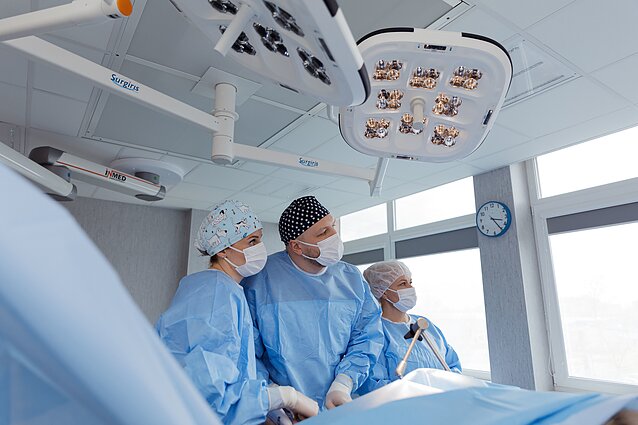
Šarūnas Tarasevičius, an orthopaedic surgeon at Nordclinic, said that when he joined the clinic a decade ago, none of the foreigners he treated were from the UK.
“They are often elderly and should go to hospitals close to home. But somehow, they still make that decision [to go to Lithuania], some borrow money from their children,” he said.
Before Brexit, patients from the UK could apply for reimbursement of the cost of surgery abroad if NHS could not offer them the procedure within a reasonable period of time, usually around six months, Tarasevičius said.
Today, there is no longer any reimbursement, but patients still come to Lithuania for treatment.
According to Karolis Šulcas, a representative of the medical tourism company Wellness Travels, Lithuania competes with Poland and Turkey in terms of the price of medical services.
“However, the quality of services in Lithuania is better. [...] Here, not only the surgeons but also the medical staff speak English, and each patient has his personal manager to whom he can turn to with any questions,” he said.

Newsletter
Every Friday morning.