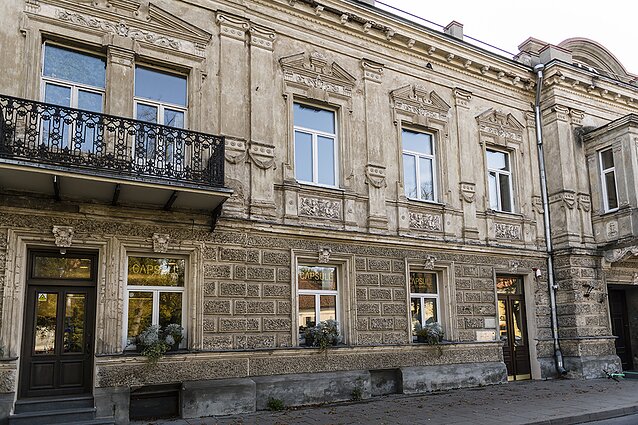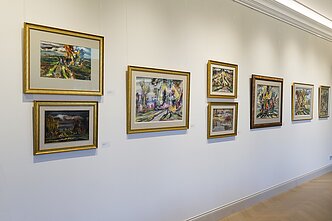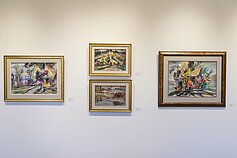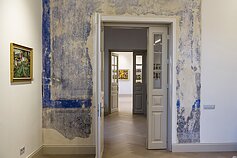







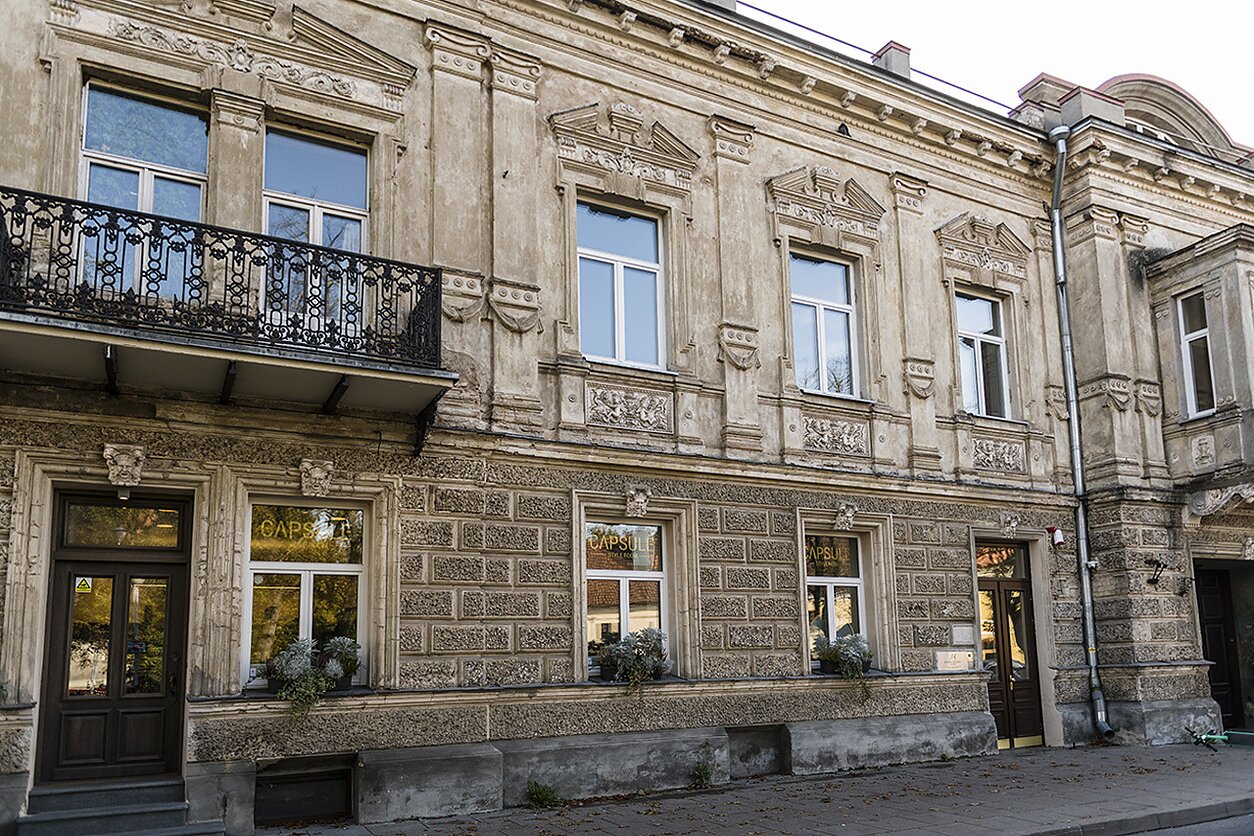
Lithuania’s latest museum is just a few steps away from ISM University. The Adomas Galdikas Museum is located in a former branch of the Music and Art Library on Arklių g. in Vilnius.
This museum, along with one in Užupis and the better known MO Museum, is yet one more private museum created by a wealthy Lithuanian. Arnas Jurskis, a businessman turned art collector and philanthropist, started out buying a large part of Galdikas estate in 2014.
Galdikas is considered by many as the second most important Lithuanian painter. Born in 1893 in Giršinai, he studied in Saint Petersburg and Berlin, moved to France and later to the USA, where he died in 1969 in New York City.
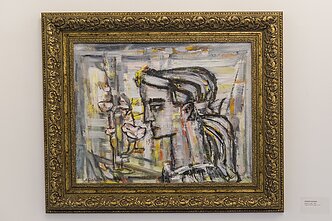
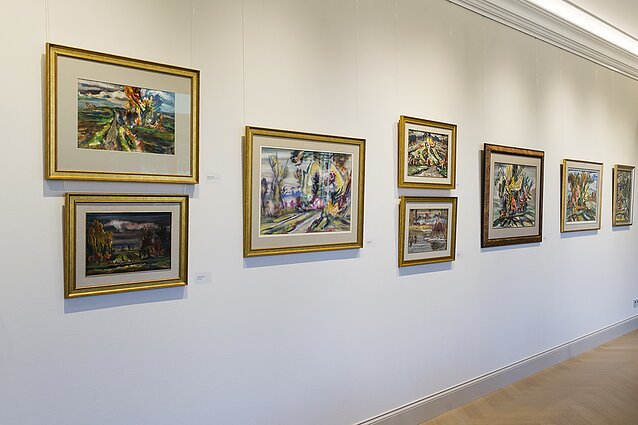
Among his large output, Galdikas created scenes for numerous theatre plays and as a graphical artist he designed Litas banknotes in the interwar period. A very prolific artist, Galdikas is best known for his paintings, using a variety of techniques, including watercolour and gouache.
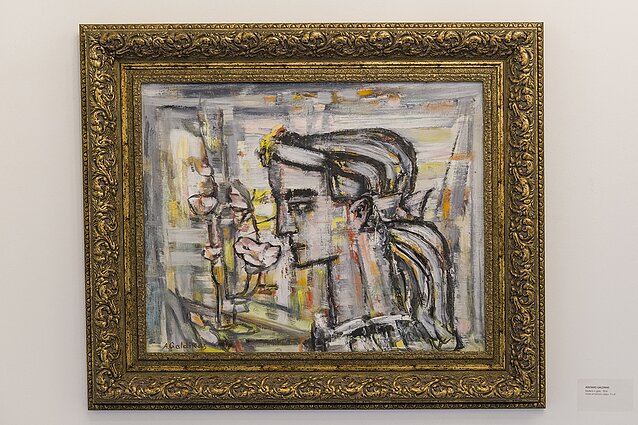
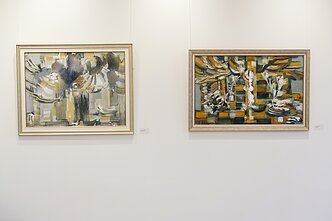
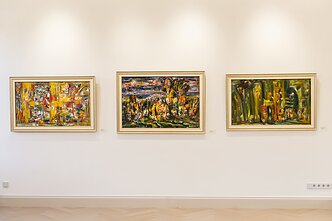
Galdikas’ paintings are often inspired by the same elements that are reminiscent of the images by Lithuania’s best-known artist Mikalojus Konstantinas Čiurlionis. Forest scenes and abstracts in pastel colours seem influenced by contemporaries like Matisse, with whom Galdikas shared space in a major exhibition in the Feigl Gallery, New York.
There are also many figurative works with cubist elements that link his work to the prevailing trends in the first part of the 20th century.
Galdikas was known to be a workaholic, often getting up very early to go for walk in nature, and working 10 to 12 hours a day.
With the exception of the recession between 1952 and 1956, Galdikas works sold very well during his lifetime. He is estimated to have created close to 4,000 works. Galdikas ended up being rather wealthy and owning a large property in New York City. He died in 1969 without any direct heirs.
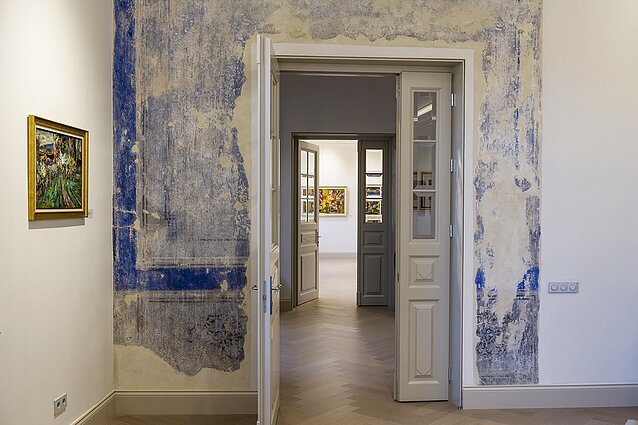
The museum in Vilnius is home to 280 works by Galdikas. Only a selection is on display at any given time. Buying the estate, Jurskis also acquired sketchbooks, letters, and a number of personal items.
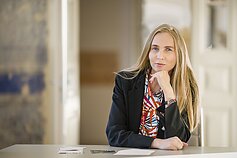
The museum has a number of educational activities that let visitors try their hand on some of the techniques that Galdikas used. At present, the museum’s curator and director Ieva Kuzminskaitė-Staigienė offers workshops with Japanese watercolour.

Newsletter
Every Friday morning.