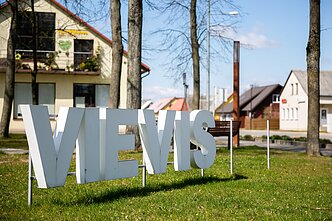
















Pakruojis Manor, a tourist site in Lithuania, is no longer accepting visitors with Russian citizenship, LRT RADIO reports.
"Russian citizens are in one way or another connected to the Russian regime, so they are not welcome and we would like them to know that. We also don't want their money, which is stained with Ukrainian blood," says Giedrius Klimkevičius, manager of the manor house.
"Everyone knows about this decision from the information on our website. If the Russians still come, the receptionist can ask for ID at the entrance if she has any suspicions," says Klimkevičius.
Meanwhile, Russian nationals with a residence permit in Lithuania are welcome, he adds.
The initiative comes amid discussions in the EU on whether to ban Russian tourists from the bloc. Lithuania has already stopped issuing tourist visas to Russian nationals.
According to Vilnius officials, the ban is intended to make Russian society feel the effects of the country’s war against Ukraine.
Read more: EU could give Russians 'humanitarian' visas only, Lithuanian FM says

The move to ban Russian tourists, as well as the initiative by Pakruojis Manor, is supported by Deputy Minister of Economy and Innovation Vincas Jurgutis.
"Some of [the Russian tourists] have long-term visas from before, or they come on humanitarian grounds, or through other European Union countries, which continue to issue visas to Russians," Jurgutis told LRT RADIO.
To the question of how entrepreneurs should identify Russians who support the Russian regime and those who do not, Jurgutis says the regulation should be EU-wide.
"It would [then] be clear that European businesses have an agreement that they can follow," he says.
Evalda Šiškauskienė, president of the Lithuanian Hotel and Restaurant Association, says the organisation has discussed whether to ban Russian tourists.
"I don't think we will make such decisions ourselves in the association, but we will support the decision of other business owners not to admit Russian nationals," says Šiškauskienė.
According to her, the members of the association do not find the ban necessary, as very few Russian citizens are now coming to Lithuania.

Newsletter
Every Friday morning.