












Russia is trying to create an "impression of pressure" by exploiting media interest in the Kaliningrad transit issue, Lithuanian Foreign Minister Gabrielius Landsbergis says.
His comment came in response to a diplomatic note on potentially stalling transit payments, handed to Lithuanian officials by Russia's temporary charge d'affaires last week.
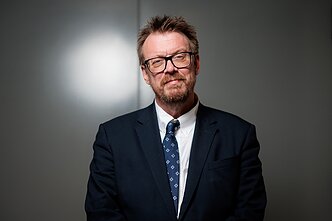
"We often receive notes, but not all notes are published in the media. [...] They see the possibility to create an impression of pressure, using your interest as well to put pressure on the state," Landsbergis told reporters in Vilnius on Tuesday.
Last week, Russia's diplomat Sergey Ryabokon told the state-run Rossiya 24 TV channel that operators using the services of Lithuanian Railways may not be able to pay for services. This is due to the Šiauliai Bank, which handles transit payments, ceasing all operations with Russia from September.
On Tuesday, Landsbergis refrained from commenting on the note's content and the future of the Kaliningrad transit.
Read more: Kaliningrad u-turn shows Europe can no longer wash its dirty linen in public – opinion

"We have received the note, we have read it and have handed it over to our colleagues in the Ministry of Transport and Communications," he said.
Speaking with BNS last week, Gabrielė Vasiliauskaitė, spokesperson for the transport minister, said "goods are being transported to Kaliningrad and transit payments are being made in line with the EU documents regulating the sanctions".
Šiaulių Bankas announced earlier it would stop processing payments in Russian rubles, regardless of the recipient's country, as of August 15, and payments in any currency to or from Russia and Belarus as of September 1.

However, the bank says on its website that "exceptions" can be made for "humanitarian purposes or to ensure state functions".
Other major Lithuanian banks – Swedbank, SEB and Luminor – have already stopped handling Belarusian and Russian payments in Lithuania.
Russia resumed the transit of sanctioned goods via Lithuania to Kaliningrad after the European Commission said an exception should be made for rail transit.
Decision of the banks
On Wednesday morning, Lithuanian Transport and Communications Minister Marius Skuodis said the payments will depend on the decision of the banks.
"The state cannot oblige banks in any way, it will depend on their own decisions," the minister told LRT RADIO.

According to Skuodis, the banks make payment decisions on the basis of several criteria – making sure that state institutions are monitoring the implementation of the sanctions and that they will not be violated, and taking their own value-based policy into account.
He also said he could not imagine how transit could take place if it was not paid for.
"How they are paid for is the responsibility of customers. We believe that for those shipments that are allowed and are related to international commitments, one should be able to pay for them, and the risks are not too high here," said Skuodis. "Whether this assurance will be sufficient for financial institutions?"
"No, as this is a key role for the Financial Crime Investigation Service, the Customs and the shareholders of banks," he added.
Read more: Lithuania and Kaliningrad – updates

Newsletter
Every Friday morning.