














The Kaliningrad transit controversy shows how public debate can be exploited by Russia. While free speech is important, European decisionmakers should limit squabbling, writes Elisabeth Braw, analyst at the American Enterprise Institute (AEI).
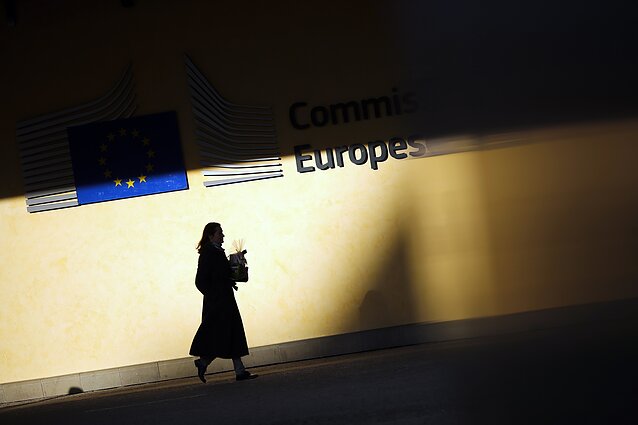
Last month Vilnius made global headlines by preventing sanctioned Russian goods travelling to the exclave of Kaliningrad from transiting through Lithuania, its usual route. Russia responded by threatening retaliation against Lithuania. The European Commission then decided that its sanctions don’t apply to transit goods travelling by rail, and that’s most of the Russian goods travelling through Lithuania. Now Vilnius has said it will let the sanctioned rail cargo through.
All EU member states can learn an important lesson from this episode: the days when Western societies’ differences can be publicly aired without resulting in negative consequences are over.
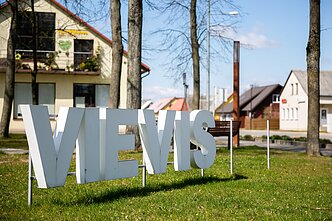
On June 18, the Lithuanian government announced that it would begin implementing EU sanctions on Russian goods such as coal, metals, construction materials and advanced technology. So far, so straightforward – except that most Russian goods don’t enter Lithuania to stay there; instead, they travel on to Kaliningrad. Kaliningrad governor Anton Alikhanov immediately asked Moscow to “take tit-for-tat measures” against the EU, and the Kremlin announced the EU could expect “harsh measures”. Vilnius was undeterred: on July 11 it widened its block of Russian goods.

But two days later, the European Commission decided that the sanctioned goods should in fact be allowed to transit. Or rather, it specified that while transit by road is not permitted, transit by rail is – and most Russian goods transit Lithuania by rail. Vilnius said would comply. According to EU spokesman Eric Mamer, the Commission “did not negotiate anything with Russia”.
Russia can claim victory, and the Kremlin will no doubt conclude that menacing threats can force the EU to cave.
That’s extremely unfortunate, because the EU needs to project firmness and unity. Indeed, ever since Russia’s invasion of Ukraine it has exceeded everyone’s expectations in this department. And now this unforced error.
When deciding on its sanctions against Russia, the EU seems not to have thought of how to handle prospective Russian ire over it. A similar case applies to Norway, which is not an EU-member but has adopted its sanctions and has blocked Russian goods from transiting through Norway to the Norwegian-administered archipelago of Svalbard.
Supporters of the European Commission will say that Lithuania should have agreed its course of action with Brussels before publicly announcing it. Supporters of the Lithuanian government will say that it has every right to implement EU sanctions using reasonable interpretation. It also shouldn’t have to worry that prospective Russian threats in response will prompt the Commission to change the interpretation of its own sanctions.
Indeed, this is precisely the point some Lithuanian parliamentarians are making, with some even calling on Vilnius to defy the Commission’s new interpretation.
In short, the transit matter is a mess.

It’s a mess because the EU, its member states and indeed every Western country are used to debate being carried out publicly. In the United States, debate today is carried out in such a public and antagonistic manner that one often wonders how any dialogue, let alone productive result, can emerge from it.
In European countries, debate is (still) less divisive. But all European countries’ governments, parliamentarians and ordinary citizens enjoy living in liberal democracies where differences are aired publicly – or perhaps they just take it for granted. Either way, they mostly voice their opinions in public and at some point reach an agreement with those holding other views.
This is, of course, precisely what Vilnius and Brussels did. But it no longer works. It no longer works because today a strategic rival – be it Russia, China, or perhaps another rising power – will be watching every contentious exchange and exploiting it.
To be sure, liberal democracies’ public debate has always been vulnerable to such exploitation. The Soviet Union tried to, for example, further divided America during the latter’s divisive Vietnam War years.
But today Western debates – whether among governments, between governments and citizens, or among citizens – are under constant surveillance. Had Americans not been so viciously arguing with one another on every subject under the sun during the 2016 US presidential campaign, there would have been little opportunity for Russia to inject disinformation.

Vilnius’s and Brussels’s failure to coordinate their positions before speaking and acting publicly, and the humiliation of having to backtrack, should prompt other governments to think carefully before announcing even small actions.
Yes, doing so will feel like anathema to many; indeed, it will feel like Russia – not to mention China -- is limiting free speech in our countries.
But the alternative is having this duo or indeed other countries time and again exploit our differences and forcing us to backtrack. A bit of restraint in our public arguments and actions is, at the end of the day, a small price to pay for the privilege of being free and open societies.

Newsletter
Every Friday morning.