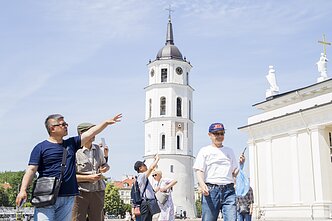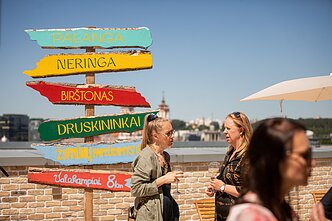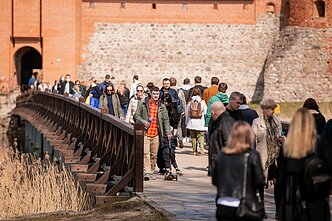













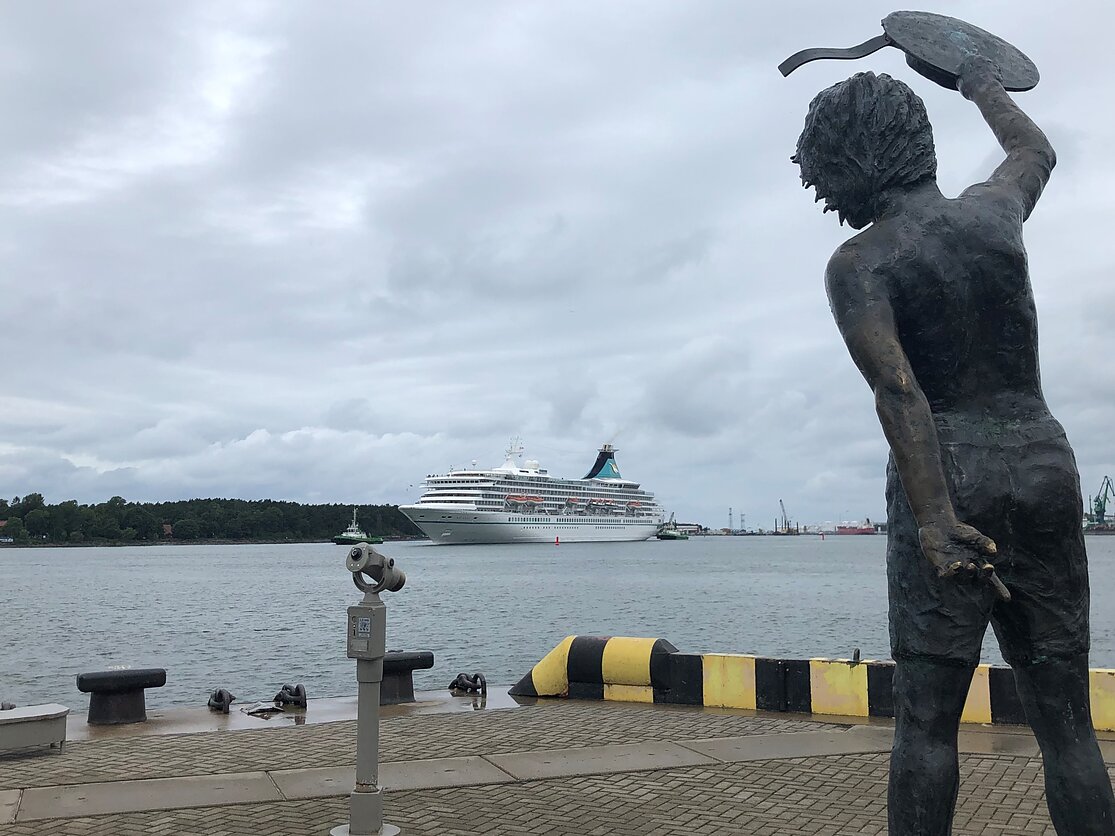
The war in Ukraine is scaring tourists even from the Baltic states – many are cancelling or postponing their planned trips, fearing it could be unsafe in Lithuania, Latvia, and Estonia. Various campaigns are seeking to counter that.
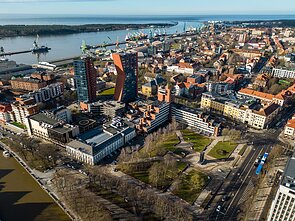
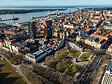
Klaipėda port was planning to welcome 80 cruise ships this season, but now the number has dropped to 70. The adjustment is down to the Russian war in Ukraine, tourism experts say.
“Before the war started, there were plans for fewer ships, but the cruise lines refused to visit St Petersburg and send more ships to other Baltic ports, including here,” says Romena Savickienė, director of the Klaipėda Tourism Information Centre.
However, there are now cancellations, she adds. “Many people are refusing to sail here because of security reasons, or cruise companies are cancelling stops at Lithuanian, Latvian and Estonian ports, as for example AIDA has done.”
With the start of summer, foreign visitors are increasingly coming to the port city by other means of transport. According to Savickenė, over the last decade the majority of tourists in Klaipėda have been Germans, about 40 percent of all visitors to the city.

“We are hearing from hotels and other service providers that groups cancelling reservations or postponing trips. Every message that the Baltic countries are in danger, that the Baltic countries could be attacked, has a very big impact on the tourism business,” says Savickienė.
German citizens also accounted for a significant part of the tourist arrivals in Neringa on Lithuania’s picturesque Curonian Spit. According to Edita Lubickaitė, director of the Nida Tourism Information Centre, there has been a decrease in the number of groups coming from this country, but individual holidaymakers from Germany are still coming.
“Solo travellers, individual travellers. We receive groups of tourists from cruise ships. German groups visit, but they are more day trips than overnight stays. Compared to the pandemic period, Germans are coming in bigger numbers, but not for longer periods, as was usual before the pandemic,” says Lubickaitė.
“I would say that there is very strong competition for tourists. We know that Germany spends millions of euros on promoting local tourism, which it calls ecotourism. Now that Germany is competing with other countries for those ‘exported’ tourists, it is a perfect opportunity for them to say that the Baltic countries are unsafe, that the Baltic countries are very close to war, that their neighbours are very militarised. And it’s regrettable, but it's working because we have a lot of German groups who have refused to come until July,” says Neringa Mayor Darius Jasaitis.

But it is not only German citizens who are refusing to travel to Lithuania in the wake of Russia’s war in Ukraine. The inbound tourism sector, which suffered greatly during the pandemic when there were hardly any foreign tourists, is now going through another difficult period, says Milda Plepytė-Rainienė, head of the Lithuanian Tourism Association.
“After one crisis, the tourism sector is once again facing a crisis that does not allow us to get back to our feet. The inbound tourism season in Lithuania is very short, so we should work and earn money to be able to stay afloat until the next tourism season,” says Plepytė-Rainienė.
She believes that the government should allocate more funds to make Lithuania attractive to tourists.
“There are a lot of cancellations, especially from Germany, France, Italy, and Switzerland. And the reason is that Lithuania is not seen as a safe destination for them. The situation is complicated and the recovery would require more state support, which should be multifaceted. Greater resources should be allocated to marketing and communication of Lithuania as a tourist destination, also from the perspective of security,” argues Plepytė-Rainienė.
Olga Gončarova, acting director of Travel Lithuania, an agency run by the Ministry of Economy, says that in order to attract tourists, Lithuania is launching a campaign to show that the country is not only safe, but also has a lot to offer.

“We are making every effort to attract foreign tourists to Lithuania. Just yesterday, we launched our new communication campaign ‘Plan an Ordinary day in Lithuania’, which is aimed specifically at our main markets – Poland, Germany, Great Britain, Israel, and other countries,” says Gončarova.
“It will invite people to see Lithuania from a different perspective, to see that we are living a normal life, that there are no hostilities going on here. We hope to help the tourism business to grow again and to return to the levels that existed before the pandemic.”
According to experts, such measures are already bearing fruit.
“Now we are starting to notice that there is less and less talk about cancellations, postponements, maybe people have come to their senses, have come to terms with the war situation. After the pandemic, there is definitely a lot of willingness to travel,” says Gončarova.
Outbound tourism is growing significantly this year after the pandemic and may reach pre-pandemic levels by the end of the year. However, the outlook for inbound tourism is gloomier.
“At the end of the year, we will not be able to say that this year’s inbound tourism figures have reached pre-pandemic levels. This requires, as I said, state support and targeted communication aimed at increasing the number of incoming tourists,” says Plepytė-Rainienė of the Lithuanian Tourism Association.
According to tourism experts, the situation of inbound tourism is similar in other Baltic countries, Latvia and Estonia. The Lithuanian Tourism Association proposes to organise a joint communication campaign between the three countries in an attempt to attract foreign tourists to come and spend their holidays in Lithuania, Latvia, and Estonia.
CORRECTION: Klaipėda's Tourism Information Centre and the mayor of Neringa District said Germany had issued a recommendation against travelling to the Baltic states. However, the German Embassy in Lithuania denied the claim, saying no such travel warning exists. The misleading information has been removed from this article.

Newsletter
Every Friday morning.