













Some politicians say they should, using a European Parliament directive as a basis for regulation.
At midday in the Cat Cafe in Vilnius, feline “clients” are helped to bowls of water. Their two-legged counterparts can also ask for tap water – and will be served a glass, for free.
However, the Cat Cafe is an exception to the rule, with most restaurants and cafes in Lithuania charging their clients for water.
Tautvydas Bitinas, owner of the Cat Cafe, believes this should be up to the restaurants themselves. “I think that politicians are interfering where they shouldn't, we should be able decide,” he tells LRT TV.
A group of MPs in the Lithuanian parliament have indeed suggested that cafes and restaurants should be obliged to serve tap water for free.
They quote the European Parliament's Drinking Water Directive, which came into force a year ago, calling to improve access to clean and wholesome water.

It recommends, among other things, to provide cafe and restaurant clients with drinking water for free or for a small charge. One of the goals is to reduce the consumption of bottled water and hence plastic waste.
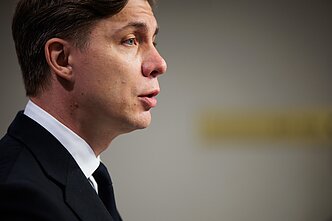
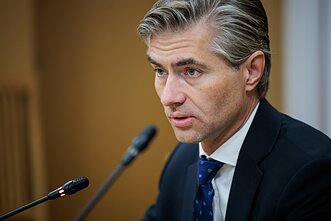
“Disposable plastic bottles are part of the plastic waste issue,” says Lukas Savickas, an opposition MP with the Democratic Group for Lithuania. “If we could get restaurants to cut the use of bottled water, this would contribute to our environmental goals.”
However, the government is sceptical about regulation.
“It is an interesting initiative, but businesses should decide, [should water be] free or not free,” says Environment Minister Simonas Gentvilas. “What they're charging for is the cafe ambience, good views. As a state, we are interfering too much in the relations between people and businesses.”
Meanwhile, free tap water is provided in countries like the UK, the Czech Republic, Italy or Spain.
Although Lithuania's cabinet has not backed the initiative, the parliament may still decide to vote on it.

Newsletter
Every Friday morning.