







The Belarusian government is set to prosecute the “still living Nazi criminals” that allegedly served in the “Lithuanian SS battalions” during World War Two. However, no such battalion existed.
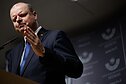
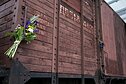
Belarusian Prosecutor General Andrey Shved has said that the country's investigators collected information about hundreds of previously unknown places of killings during World War Two, claiming the number of civilian victims in Belarus to be bigger than current official data.
“We also have the information about the still living Nazi criminals who were on the lists and who took part in the activities of punitive battalions. First of all I am talking about the Lithuanian SS battalions and the Home Army battalions," Shved was quoted by the state-run news agency BelTA.
"Now we are preparing the relevant materials and a request on legal assistance to be sent to these states so that appropriate law enforcement agencies could launch the procedural actions in the criminal genocide case in respect of these persons (they are still alive, we know their places of residence),” he said.
The Home Army, or Armia Krajowa, was the dominant resistance organisation against the Nazi occupation in Poland.

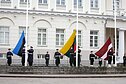
In the occupied Baltic states, Nazi Germany issued orders in 1943 to mobilise local men into Waffen SS legions. They were formed in Latvia and Estonia, but the mobilisation in Lithuania failed and no such battalion existed.
The government of the embattled Belarusian leader, Alexander Lukashenko, has been making effort to present the killings of Belarusians during World War Two as a genocide. The Prosecutor General's Office plans to submit “sufficient evidence to the international tribunal soon”, according to BelTa.
Meanwhile, the Lithuanian Foreign Ministry says these are Lukashenko's “pathetic attempts” to distort history in order to fend off criticism for his own oppressive regime.
“Statements coming from representatives of the Belarusian regime are no longer surprising,” the Foreign Ministry commented to BNS.
“Pathetic attempts to distort and politicise painful historical issues [...] are ways to distract from human rights abuses in today's Belarus, deny responsibility for purposefully worsening the Lithuanian-Belarusian relations, justify [Lukashenko's] totalitarian decision in domestic policies,” it said.

Newsletter
Every Friday morning.