






During the Soviet occupation, Lithuania housed some of the USSR's strategic missile bases and KGB listening posts. What was life like behind the fence?
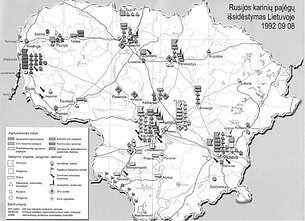
“Many Soviet troops were deployed in Lithuania, more than 30 thousand soldiers. And military bases throughout the territory of Lithuania were distirbuted widely, from Vilnius, Visaginas to Nida,” Manvydas Vitkūnas, associate professor at the Lithuanian Military Academy, told LRT TV.
“Not all military bases are [currently] in ruins, many of them are either used by the current Lithuanian Armed Forces, or adapted for other uses – for example, Šančiai barracks became exotic and beautiful apartments in Kaunas,” he added.
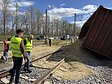
One of the many military bases operating in Lithuania was in Valčiūnai near the country’s capital Vilnius.
From 1958 to 1993, one of the largest fuel bases in the so-called Baltic military district served the Soviet Union and, later, Russia.
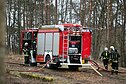
It was essentially a strategic reserve, “covering tens of hectares of territory, storing fuel, with railway links”, said Vitkūnas. The Lithuanian Firefighters School and Fire Research Centre are now located here.
Read more: Lithuanian border 30 years ago: lighting campfires for warmth, fearing Soviet attacks – interview

In the territory of the former Lustberg manor, known today as Linksmakalnis in Kaunas, Lithuania’s second largest city, a division of the Soviet army began to be established at the end of the Second World War.
Many of the buildings were built by German prisoners. The closed world beyond the numerous fences and firewalls collapsed in 1993 with the withdrawal of the last Russian troops.
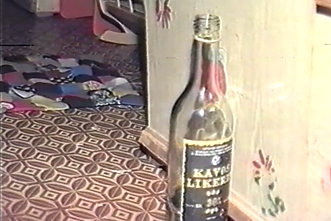
“The majority of the residents were military with their families,” says Vaclovas Žvirblis, community leader of Linksmakalnis. THey had all the necessary supplies – “a medical facility, a primary hospital, a shop,” he added.
One of the most secretive Soviet military bases operated in Lithuania between 1944 and 1993. The hill was called “the ears” of the Soviet Union or the KGB.
“It was the KGB communications and intelligence base,” he said, adding that the base was at a strategic position along an important line of communication from Minsk in Belarus through Vilnius and Kaunas toward Kaliningrad.
Those who served here did not have the right to leave the Soviet Union and could not even travel freely across the USSR after finishing their military service.
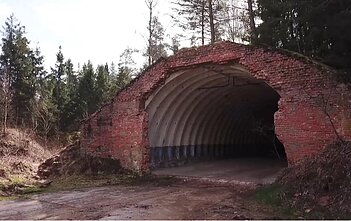
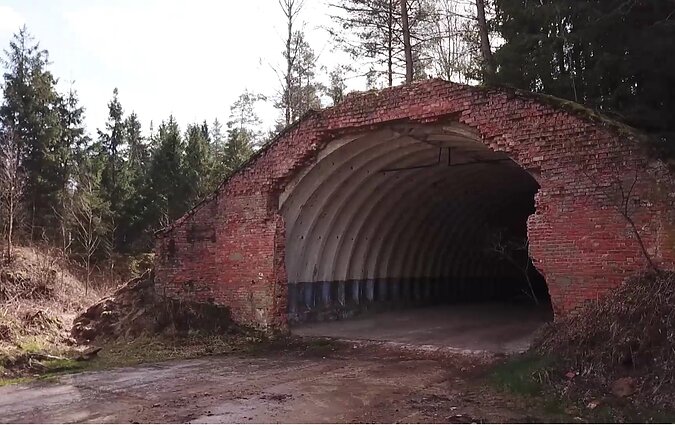
Near Ukmergė, a base housed ballistic missiles, capable of carrying nuclear warheads. This base was established in 1958 and saw an increased combat readiness just once – a decade later, when the USSR invaded Czechoslovakia.
“The R-12 missiles were deployed at this base. [...] There were four rockets in one hangar, and there were two hangars in Kopūstėliai,” said Vitkūnas.
“Such a rocket, if it had been launched, could fly more than 2,000 kilometers and reach London, Paris, or Rome,” he added.
Missile units were densely deployed in the so-called Baltic military district – Lithuania, Latvia, Estonia, and the Kaliningrad region – as they were relatively close to potential targets in the West.
“The Kopūstėliai base was used until 1988 as a rocket base, later, after agreements between the Soviet Union and the United States, these missiles were moved out,” said Vitkūnas.
In 1991, there were still 150,000 Soviet troops in the Baltic states. The last soldier departed Lithuania on August 31, 1993.
See more unique footage from the Soviet military bases below (in Lithuanian):


Newsletter
Every Friday morning.