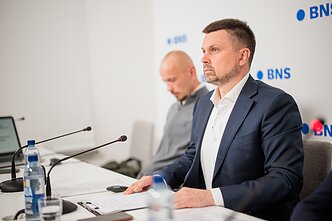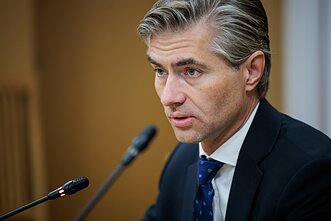














The Baltic states' joint boycott of electricity produced at the Astravyets nuclear plant will cost Belarus "hundreds of millions of euros" in lost revenue annually, Lithuanian Energy Minister Žygimantas Vaičiūnas told LRT on Wednesday.
With the Baltic states, Poland, and Ukraine saying they will boycott imports of electricity produced at the plant, the project will no longer be viable, according to Tomas Švedas, Lithuania’s former energy vice minister.
"The new nuclear power plant was built for electricity exports," Švedas told LRT. "Belarus has sufficient electricity generation capacity [as it] generates power using Russian gas which it receives at a lower than market price."
"If there are no exports, the project will fail," he added.
Lithuanian President Gitanas Nausėda and Prime Minister Saulius Skvernelis have welcomed Latvia's decision not to buy Astravyets electricity following months of negotiations.
Read more: Latvia backs Lithuania in nuclear dispute with Belarus after months of negotiations
Skvernelis expects that the Baltic countries will soon sign a political declaration, committing to a boycott of Belarusian electricity once it launches the Astravyets NPP.
Lithuania is the main opponent of the plant being built by Russia’s state atomic nuclear agency, Rosatom. Nausėda previously said the plant is a geopolitical tool for the Kremlin to pressure the Baltic states and keep a grip on Belarus.
Lithuanian officials also say the plant is being built in breach of international safety standards.

Newsletter
Every Friday morning.