














Lithuania's opposition MPs want the energy minister to be removed from the Belarusian electricity ban negotiations, saying he is sabotaging the country's efforts.
Lithuania has passed a law banning Belarusian electricity imports in protest of a nuclear plant it deems unsafe and too close to its capital. Vilnius fears, however, that for the ban to be effective, Latvia and Estonia must join in.
Read more: Critics fear Lithuania may ‘capitulate’ in the fight against Belarusian nuclear plant
The opposition has been critical of a draft agreement among the three Baltic states in which Latvia and Estonia come short of joining Lithuania's boycott.
Energy Minister Žygimantas Vaičiūnas has said that the agreement, which was presented in early June, is the only way to bar Belarusian electricity from the Lithuanian market. The opposition, however, is not convinced.
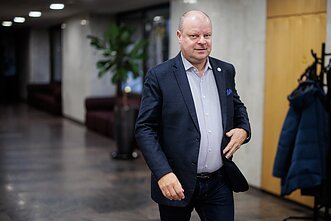
“We have a paradox today, as Energy Minister Vaičiūnas for some reason is not defending a situation good for Lithuania, but seems to be actively looking for ways to open the path for commercial flows of Belarusian electricity via Lithuania's territory,” conservative MP Žygimantas Pavilionis told reporters on Monday.
“Vaičiūnas must be swiftly replaced for the negotiations,” he added.

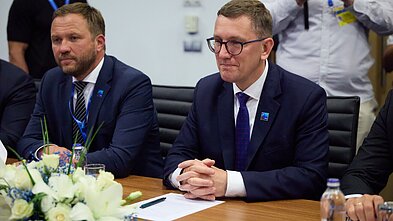
The call for the energy minister to leave the negotiations is joined by Dainius Kreivys, another MP of the conservative Homeland Union, and Lithuanian MEP Petras Auštrevičius.
“If this call is ignored, I believe we will start collecting signatures for his [Vaičiūnas] interpellation,” Pavilionis said.
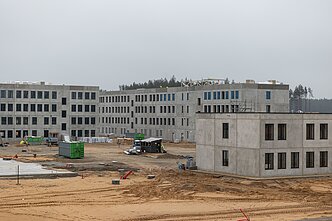
Vilnius has been opposing the construction of Astravyets Nuclear Power Plant, some 50 kilometres from the Lithuanian capital, saying it violates international safety regulations.
Opposition MPs insist that Lithuania's negotiators are failing in their goal of barring electricity from Astravyets from entering the Baltic states and other EU countries.

Newsletter
Every Friday morning.