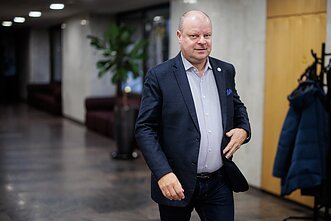
















Latvia’s refusal to join a boycott of Belarusian nuclear energy could hinder the Baltic sates’ switch away from a Moscow-controlled power grid, Lithuanian Prime Minister Saulius Skvernelis said on Friday.
The Baltic grids are still part of the post-Soviet BRELL network, which also includes Russia and Belarus, and remain dependent on the control centre in Moscow and the Russian electricity system.
Following lengthy internal discussions, the three Baltic countries confirmed last year their intention to synchronise their grids with the continental European system via Poland.
Lithuania has so far failed to persuade neighbouring Latvia to join its boycott of electricity from the Belarusian nuclear plant before the synchronisation project is completed.
Read more: Lithuanian MPs protest outside Latvian embassy, calling to join Belarusian electricity embargo
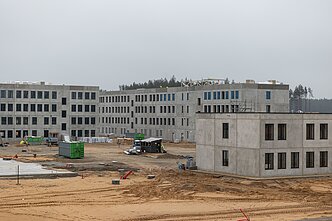
Vilnius considers the Belarusian nuclear plant, which is being built some 50 kilometres from the Lithuanian capital, unsafe and a tool for the Kremlin to pressure Minsk and the Baltic states.
The Latvian government says it will switch to electricity trade with Russia for technical and economic reasons once Lithuania halts power imports from Belarus. This may open up access for electricity from Astravyets NPP to the common Baltic market via Russia.

The synchronisation project involves the construction of a HVDC sea cable, named the Harmony Link, between Lithuania and Poland.
Read more: Kremlin may threaten nuclear incidents in Belarus to blackmail Lithuania – MP
Meanwhile, Poland is standing firm on its position that Astravyets electricity cannot enter its market, Lithuanian Prime Minister Skvernelis said after meeting with his Polish counterpart Mateusz Morawiecki at the Kalvarija border crossing.
"If any steps by the Baltic states allows that electricity to enter the Polish market, it may threaten the successful implementation of the synchronisation project," he told reporters.
When asked if the Baltic countries' failure to find a common agreement might cause Poland to change its position on the planned new submarine cable with Lithuania, Skvernelis said that "everything is possible".
"The aim of the project is to ensure that the synchronisation takes place in 2025 and we no longer speak about the possibility of [Belarusian] electricity entering Poland," he said.
"The interim period requires not only a technical solution, which is what our partners say, but also a political decision, because otherwise we may have to face various consequences," he added.

Newsletter
Every Friday morning.