













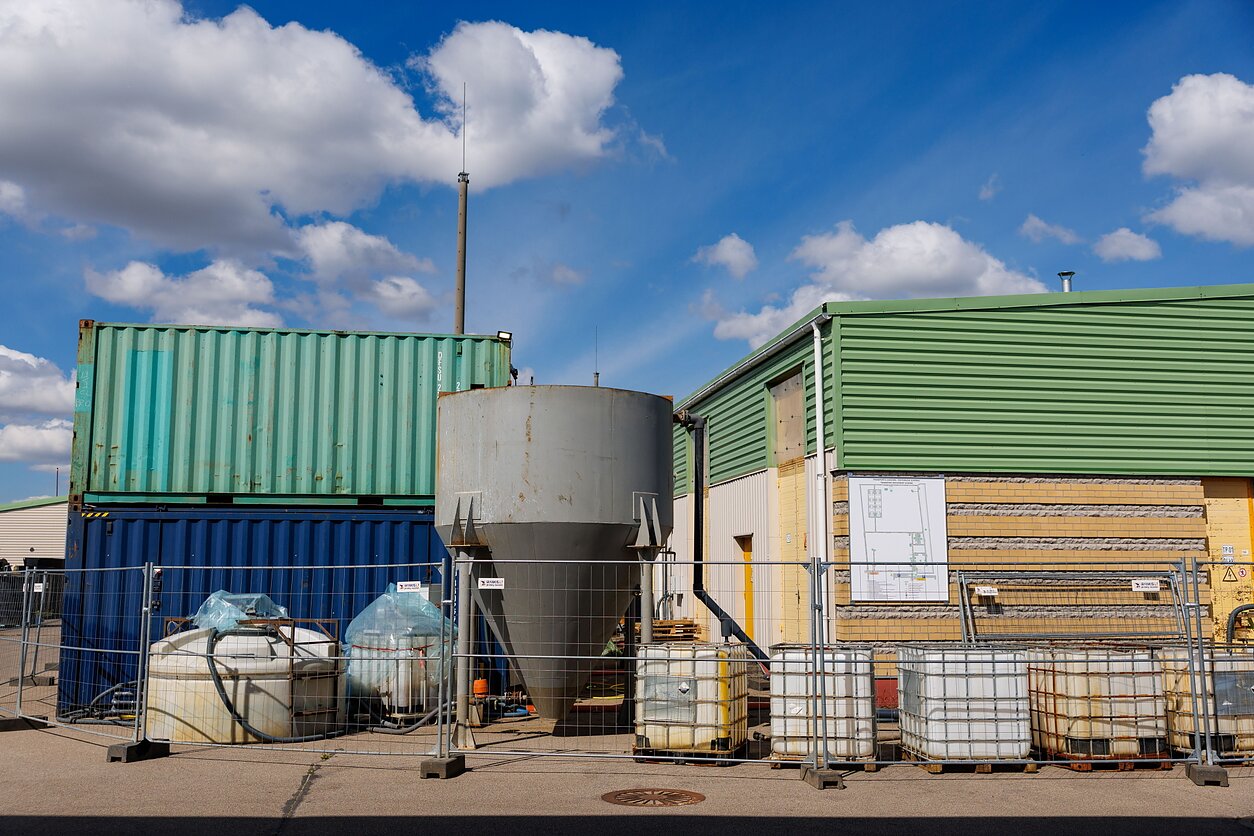
Lithuania’s sole ammunition manufacturer and the only such producer in the Baltic states began construction on a €36-million second production line that will double the factory’s capacity and open the way for exports to Asia and Africa.
Giraitės ginkluotės gamykla, or Giraitė Armament Plant, currently employs about 120 people. The expansion is expected to increase its workforce to 200, with the additional 80 employees to be hired beginning in the fourth quarter of this year.
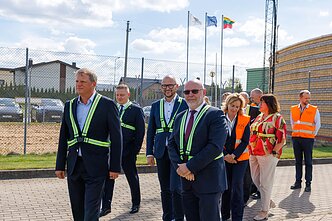
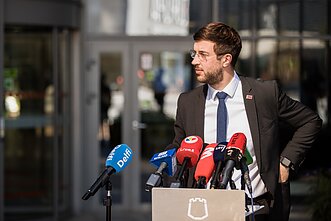
“The company has been limited in its growth in recent years because it could not produce more ammunition,” CEO Mindaugas Kurauskas told reporters at the plant in Giraitė on Friday. “That is why a decision was made at the state level to invest in a second line, and today we officially begin construction.”
The second line is expected to be installed in the third quarter of 2027, with both lines operating at full capacity from 2028. Production capacity will rise to 500 rounds per minute, twice the current level.
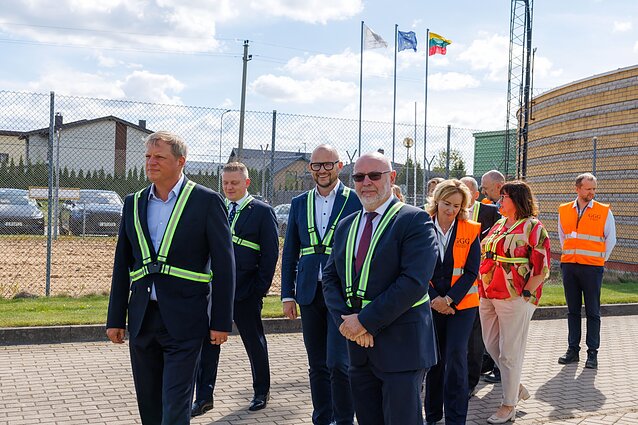
“Lithuania certainly does not need that much ammunition, so we are taking major steps to expand our geography. Africa and Asia are the main regions where we would like to focus,” Kurauskas said.
The company has already established a presence in the Middle East, which Kurauskas said it had “conquered” through the quality of its products.
The factory will continue producing the same two ammunition calibres but plans to expand its product range, including the ability to manufacture training rounds.
Kurauskas said the Lithuanian military’s use of the factory’s ammunition is confidential.
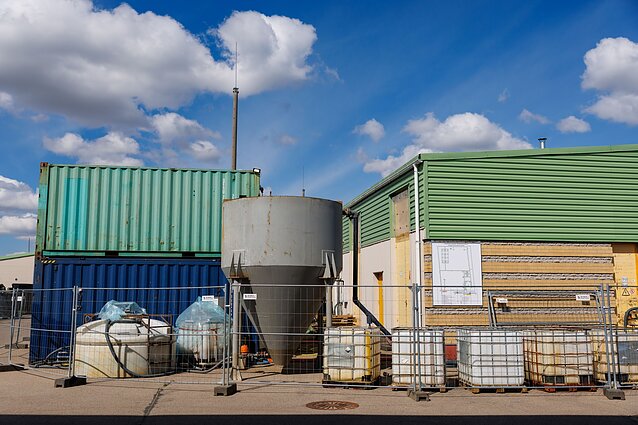
The expansion will include enlarging production and storage facilities from about 5,500 square metres to 7,900 square metres and constructing a new hazardous waste area. The project is being proposed for designation as a project of importance to the state.
The company says the new line will not produce anti-drone ammunition.
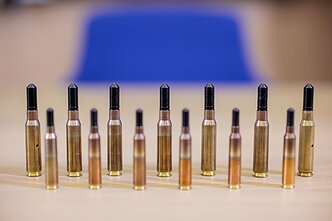
Giraitė began producing anti-drone rounds earlier this year, with trial batches sent to Sweden and France. Military organisations in the Czech Republic, Estonia, Belgium and Israel have also expressed interest in testing them.
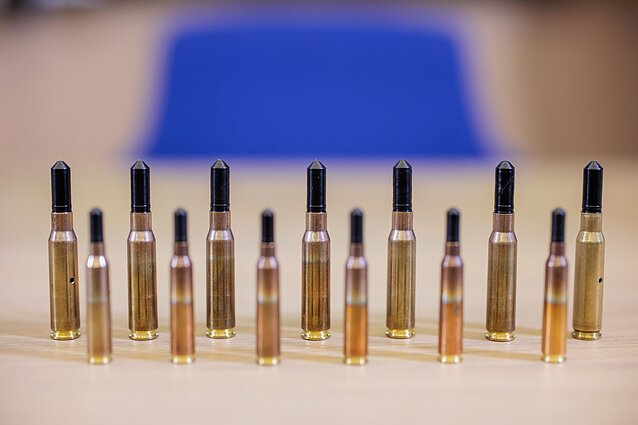
Kurauskas said the factory has received €700,000 worth of orders for the anti-drone ammunition from foreign customers, though he declined to identify the countries.
“If there are actual orders, it means there is a desire to continue having and testing (the ammunition) and training soldiers,” he said.
The factory is also in discussions with foreign defence companies over potential cooperation, including possible applications for ammunition used against drones. Kurauskas declined to comment on the negotiations, citing their sensitivity.
He said the plant has secured gunpowder and other materials needed for production for about a year despite shortages on the global market.
“The global ammunition market had a major shortage in 2022, but at this point we are seeing stabilisation,” Kurauskas said. “It is difficult to say what will happen next year, but we hope our quality will prevail.”

Newsletter
Every Friday morning.