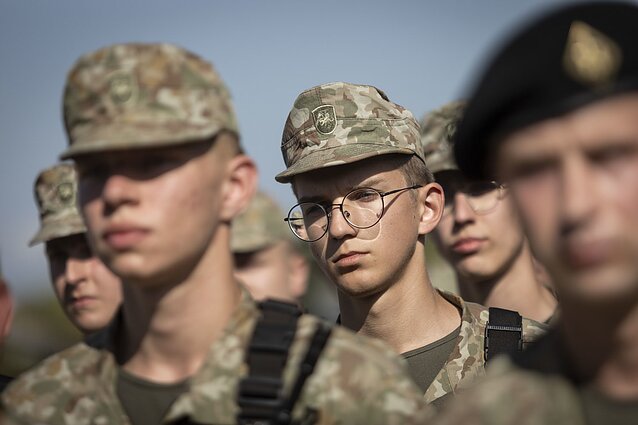








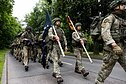




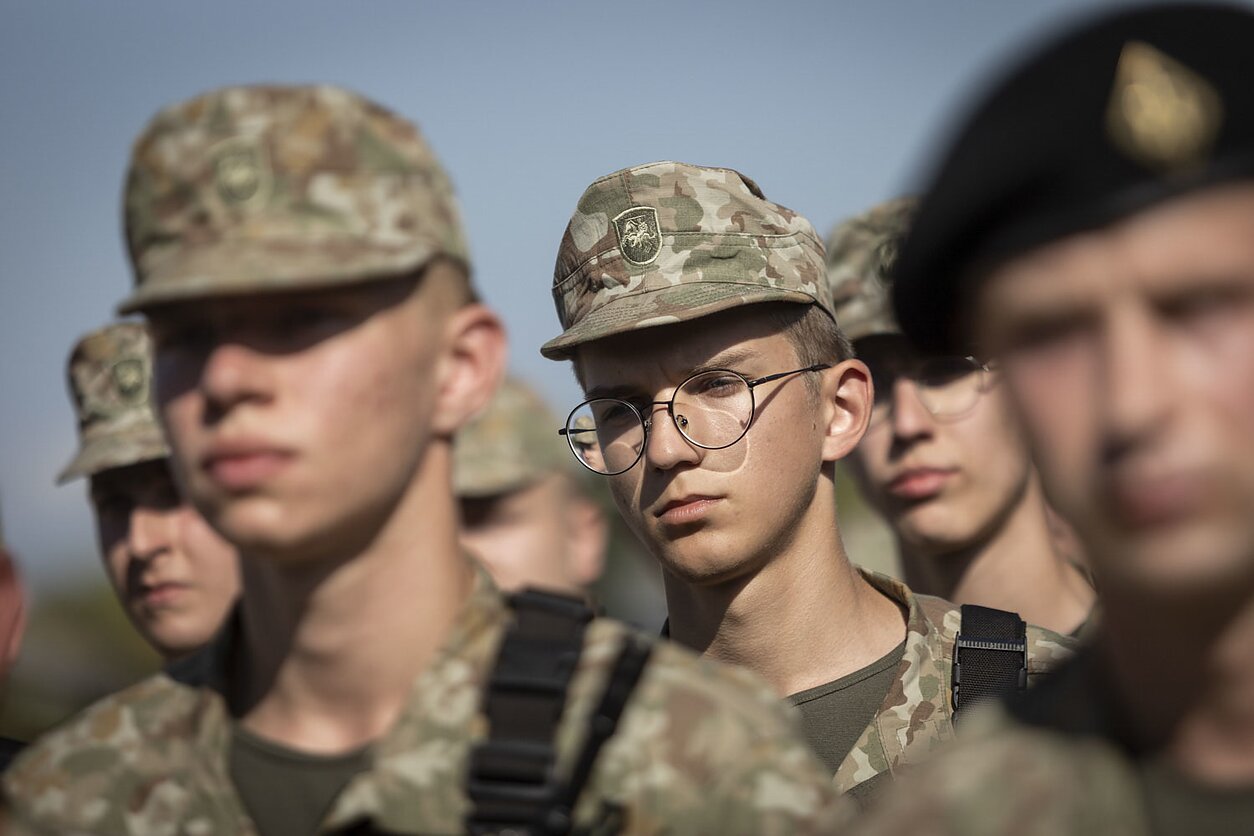
Nearly 80% of Lithuania’s population supports introducing universal military conscription, with most respondents favouring mandatory service for men, according to a survey commissioned by the Universal Defence Association.
The poll found that 76.3% of respondents support universal conscription. More than 40% said only men should be drafted, while nearly 19% favoured conscription for both men and women.
More than 23% preferred Lithuania’s current partial conscription system, while 14.5% said the country should have a fully professional military without conscripts.
More than half of those surveyed said universal conscription should be introduced as soon as possible, while 25% said it should be implemented by 2030. About 12% opposed introducing universal conscription altogether.

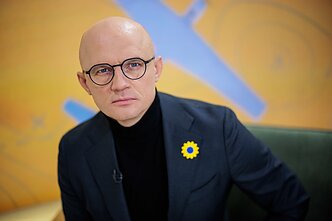
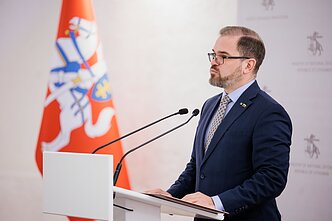
“The conclusion is that people are ready and expect decision-makers to transition to universal conscription in the coming years,” said Tomas Godliauskas, head of the Universal Defence Association. “We see that public favourability for a faster implementation of the universal conscription model is indeed high.”
Support for women's service
The survey showed significant support for expanding military service opportunities for women, although views differed on whether their service should be mandatory.
More than half of respondents said they would support including women if military service were voluntary and offered more diverse forms. Nearly 13% favoured drafting women under the same rules as men, while 35% opposed conscription for women.

Support for universal conscription for women was higher among men, at 55%, than among women, at 48%.
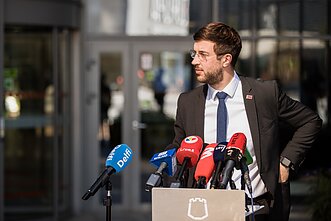
“We can say very clearly – the majority of Lithuanian society across all groups and age categories supports universal conscription by 2030,” said Edmundas Jakilaitis, head of the Strong Together civic movement.
Respondents said they would be more likely to support universal conscription if alternative forms of service were expanded, including roles in civil defence, medicine and cybersecurity. More than 38% backed such options.
Modern military training, including technology and drone operation, was cited by 35% as a factor that would increase support for universal conscription. Nearly 29% said the ability to serve in their home region would make the system more attractive.
Fair compensation and equal conditions for different social groups were each cited by more than 23% of respondents, while nearly 21% pointed to preferential treatment in university admissions or during studies.
“Universal conscription is compromised by randomness, lotteries, exemptions and various other limits that may appear non-transparent to society,” Jakilaitis said.
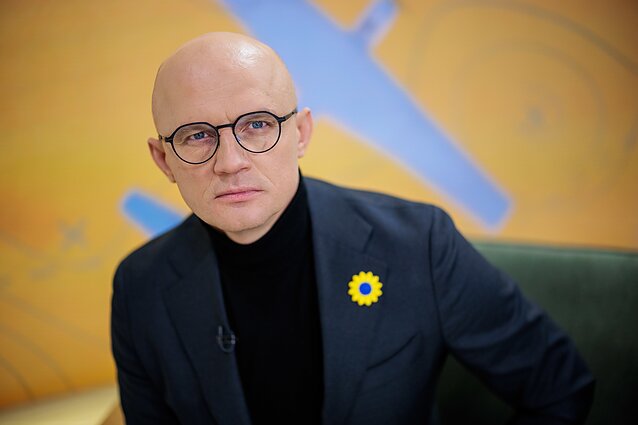
He argued that a system in which everyone eligible serves, regardless of wealth, social status or public profile, could increase public support.
Jakilaitis said Lithuania’s current nine-month mandatory service should remain in place, while additional forms of service should be introduced to allow more people to serve.
Military aims to expand numbers
The survey comes as Lithuania continues to strengthen its armed forces amid heightened security concerns in the region following Russia’s invasion of Ukraine.
Lithuania’s chief of defence, Gen. Raimundas Vaikšnoras, has said the current number of male conscripts is sufficient to meet the military’s needs. He has previously said the armed forces aim to draft “almost everyone willing and able” by 2030, with 7,000 to 8,000 conscripts serving through various forms of military training.

About 5,000 conscripts are expected to be called up in 2026. Conscripts currently serve for nine months, although options introduced this year allow service lasting three, six or nine months.
Young men ages 18 to 22 are drafted after completing school, with the number expected to increase annually. Some politicians have described the expansion as a step toward universal conscription.
President Gitanas Nausėda has said that once Lithuania’s national division is formed, it will be only a matter of time before the country moves to universal conscription.
Former Defence Minister Laurynas Kasčiūnas has also said Lithuania is moving toward universal conscription, but that ensuring high-quality military preparation should come first.
The survey of 1,501 people was conducted in August by Norstat through telephone and online interviews. Its margin of error was up to 3 percentage points. The findings are due to be presented at the Universal Defence Forum in September.

Newsletter
Every Friday morning.