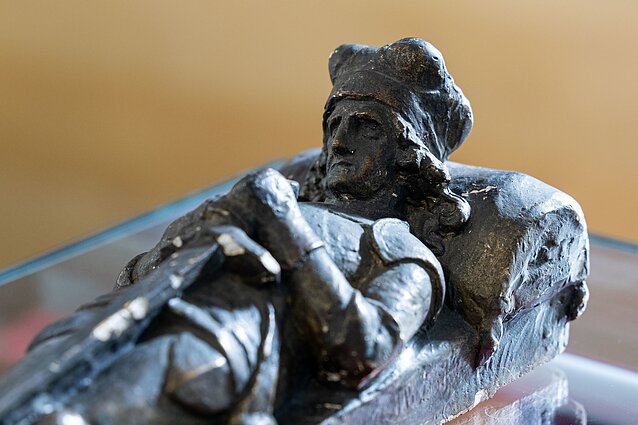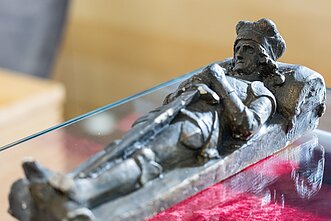











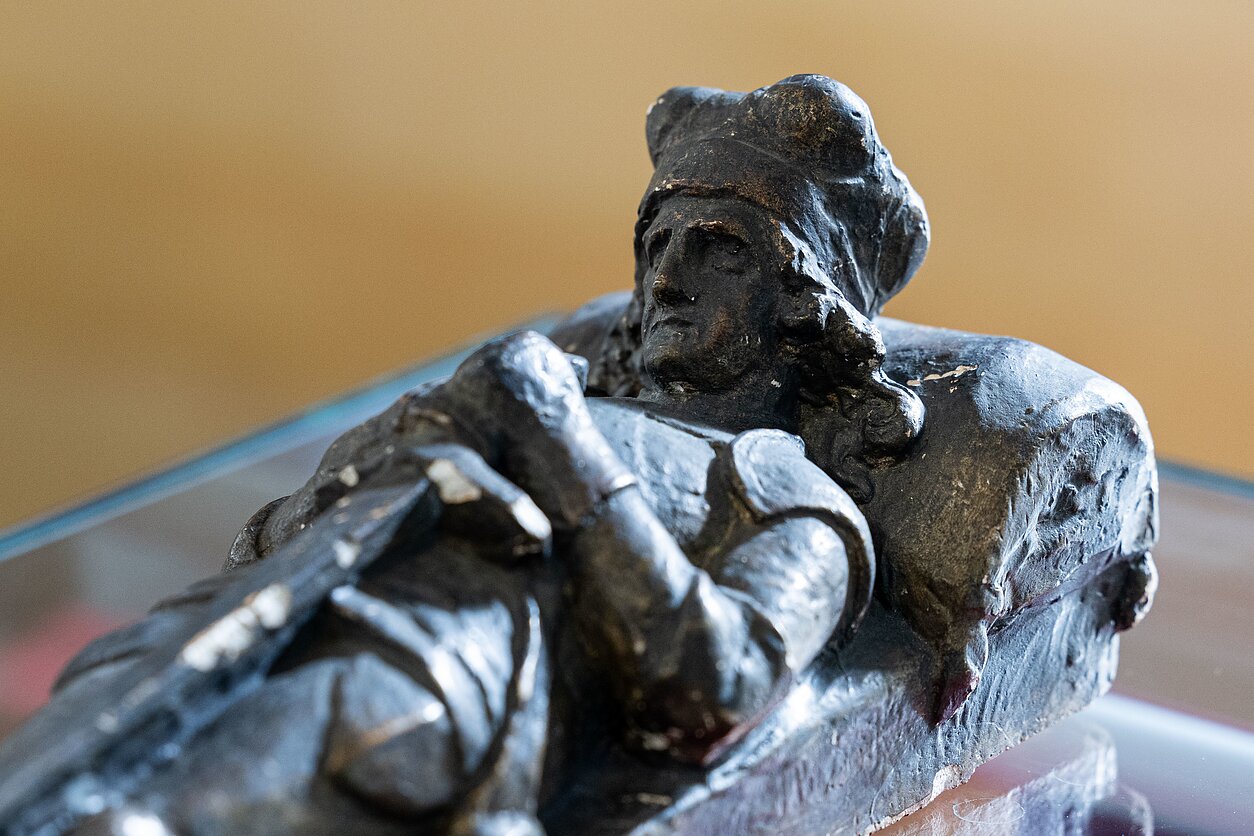
The remains of Grand Duke Vytautas the Great may have been discovered in Vilnius Cathedral as early as 1931, a researcher said on Friday.
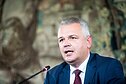
Saulius Poderis, who previously searched for royal regalia in the cathedral, told a press conference at the Seimas that the remains likely remain within the building.
"We have identified a location where this skeleton could be. It simply requires political will and permits to find it," Poderis said.
According to Poderis, there are reasonable grounds to suspect that following the great spring flood of 1931, four sets of royal remains were found rather than three: Grand Duke Alexander (1461–1506), Elizabeth of Austria (1526–1545), Barbara Radziwiłł (1520–1551), and Vytautas the Great.
The researcher discovered archival documents indicating that officials at the time planned to install four royal sarcophagi. However, the Polish authorities, who controlled Vilnius at the time, were only notified of three discoveries.
Poderis bolstered his claims with glass negatives found in a Gdansk photography gallery archive. The images document the cathedral's renovation and the construction of the royal mausoleum. One photo shows three sets of remains, while another clearly shows four.
Historian Alvydas Nikžentaitis described the data as serious and requiring verification.
Nikžentaitis noted that following the discovery of royal regalia in the cathedral's vaults last January, a comprehensive research programme was developed. This plan includes identification work, archaeological excavations and historical studies of any remains found.
Darius Jakavičius, chairman of the Seimas Commission for Freedom and State Historical Memory, urged authorities to set aside scepticism and begin work, noting that 2030 has been designated the Year of Vytautas the Great.
Jakavičius suggested the next step should be the formation of a formal working group to initiate the process.
According to Nikžentaitis, a research team has already assembled and is conducting preliminary work.
Vytautas the Great (c. 1350–1430) was Grand Duke of Lithuania from 1392 until his death in 1430 and is regarded as one of the most important rulers in the country's history.

Newsletter
Every Friday morning.