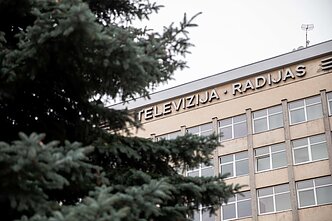













Last year, politicians initiated changes to legislation governing Lithuania's public broadcaster following a financial audit. After protests forced them to pull back, the Social Democrat-led coalition is now taking a step further.
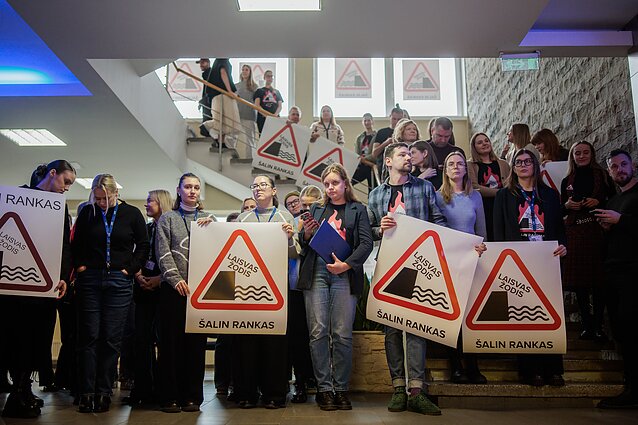
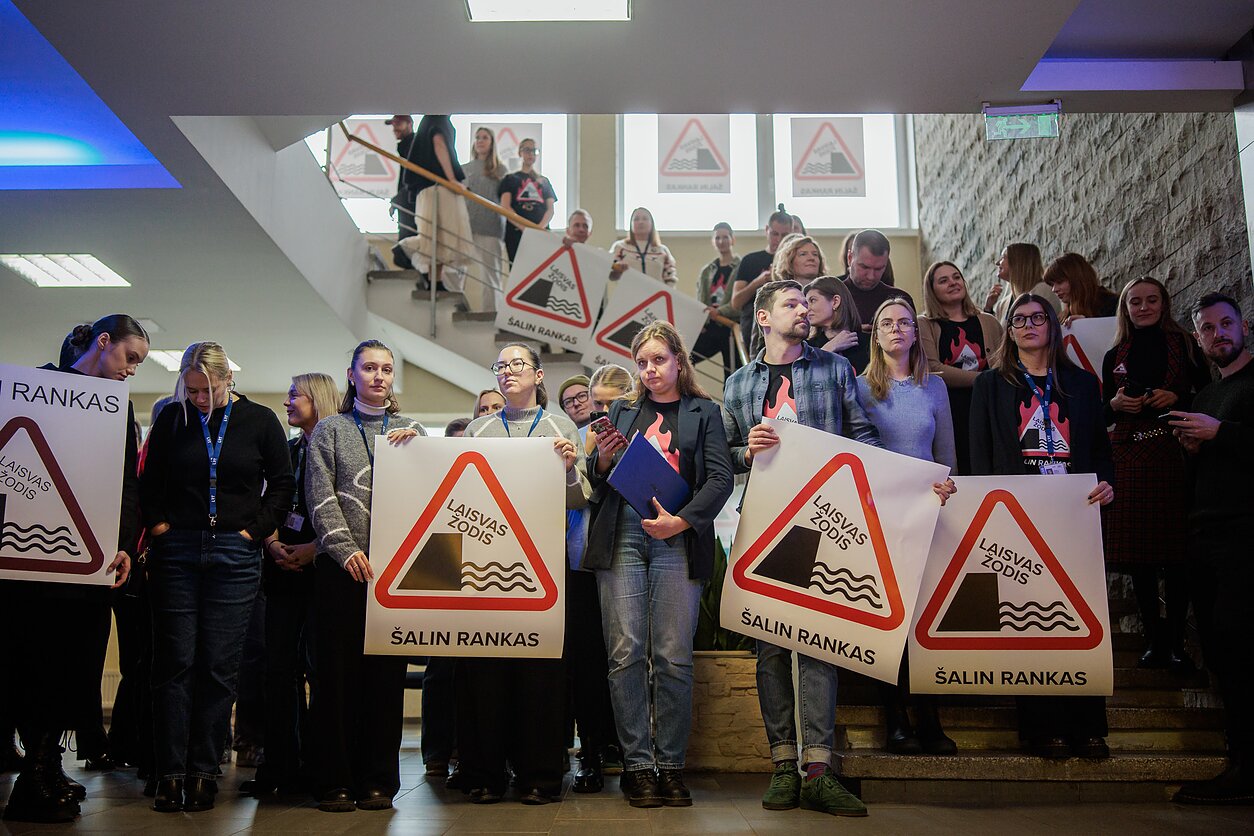
The initial proposal seemed minor – to ease the dismissal of the director general. Staff at LRT, supported by journalists in other media organisations, launched a protest in response, saying this was the first step in an attempt to take over the public broadcaster.
In effect, this is now happening.
Widesweeping proposals
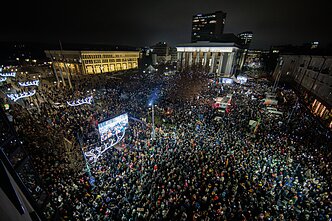
Following the protests last year, with the largest one in Vilnius attracting over 10,000 people, MPs set up a working group to propose changes to LRT.
(For reference, here’s an explainer to get you up to speed about the initial protests and what started them.)

Soon after the group was formed, members of the parliamentary opposition left it, calling the working group a sham. The Association of Professional Journalists (ŽPA), which organised the protests last year, also left the group. In solidarity, the protest committee formed by LRT staff also announced its boycott.
Ultimately, the group – which was dominated by MPs from the governing coalition – went above and beyond, with the dismissal of the director general becoming only one of the many proposed changes.
Proposals in the bill that have received the most criticism:
- The number of council members would be increased from 12 to 15, which would now also include a delegate from the Tripartite Council that is made up of the government, employers, and trade unions. This could mean the government having an additional council member, swaying the power balance in its favour.
- LRT Council would have its own staff to provide legal, analytical, and other support. This, according to critics, risks creating a parallel administration within the public broadcaster.
- A new supervisory board would be created, with its five members appointed by the LRT Council to supervise the work of the public broadcaster and report back to the Council.
- The director general could be dismissed more easily, including if they are found “to be performing their functions incorrectly”. The changes could make all subsequent heads of LRT prone to political influence and self-censorship due to the inherent insecurity of their position.
- “Other media outlets” and their representatives would be barred from involvement in LRT content without the permission of the LRT Council. Critics say this point is aimed solely at excluding several presenters who have founded other media groups and are critical of the current government. However, this risks having a cascading effect on things like joint investigative projects with other media groups, as well as content sharing partnerships (LRT currently has agreements with the BBC, Radio Free Europe/Radio Liberty (RFE/RL), and other outlets).
- Proposal due to be discussed and is not part of the bill: LRT services would be provided under a contract with the government, which would also define the funding conditions. This could result in direct editorial control.
Signs of censorship
Professor Toma Birmontienė of Mykolas Romeris University (MRU) was asked by the parliamentary Culture Committee, which is overseeing the legislative process, to assess the proposals. Her assessment was scathing.
In her conclusions, she said some of the proposals showed signs of censorship.
“The restrictions in question effectively amount to internal editorial oversight by the LRT Council, which could be interpreted as censorship of media content,” Birmontienė said in her analysis.
According to her, the proposed LRT board “would create preconditions for restricting the editorial and institutional independence”. Meanwhile, the increased scope for dismissing the director general “lacks legal clarity and raises doubts about its compliance with the Constitution and European Union law.”
LRT journalists, when announcing their protest last year, called on the government to back away from proposed changes, as well as to depoliticise the supervisory LRT Council, that is, have fewer of its members delegated by politicians.
At present, it’s made up of 12 people – four are delegated by the president’s office, and two each from the parties in power and the parliamentary opposition. The other four members are allocated by civil society groups.
In essence, the new proposals do the opposite and increase political control.
The Tripartite Council that would not be part of the LRT Council, "includes representatives of the government, meaning that by delegating a member to the LRT Council it would effectively increase the number of politically appointed representatives, who already form a majority in the current LRT Council,” Birmontienė said.
Academics from three universities were also asked by the parliamentary committee to present their proposals.
Citing the “growing threats to democracy”, they presented a document earlier this week for an alternative restructuring of the public broadcaster.
Their key proposals include establishing a technocratic supervisory board, which would largely take over the functions of the current Council, as well as creating a Citizen’s Assembly as an advisory body to the Council.
The proposals will still have to be considered by the Culture Committee in the parliament.
On Friday, the ŽPA media association also proposed changes, including to cut the number of political appointees in the Council by half, among others.
BBC, Venice Commission warn of risks
On Tuesday, the heads of eight public broadcasters from Europe, including the BBC, issued a statement calling on the parliament to remove the draft law from its agenda.
This is the latest in a series of statements by international organisations and media watchdogs calling for the proposals to be dropped.
On March 7, the Venice Commission also said the budget freeze (which is not what the LRT protest is about) and the easier dismissal of the director general were creating risks of politicisation.
The commission is an independent, advisory body to the Council of Europe that assists countries in establishing whether their legal systems are in line with international democratic standards.
The current proposals, as well as the document put forth by the academics, will now have to be discussed by the parliamentary Culture Committee before being put to the vote in the Seimas.
A protest, organised by the ŽPA and civic activists, will take place in front of the parliament on April 8.

Newsletter
Every Friday morning.