













Allegations have surfaced in Lithuania that critics of the political party Nemunas Dawn are being blocked on Facebook after sharing posts critical of the party, prompting concerns among experts about the use of inauthentic accounts to influence online debate.
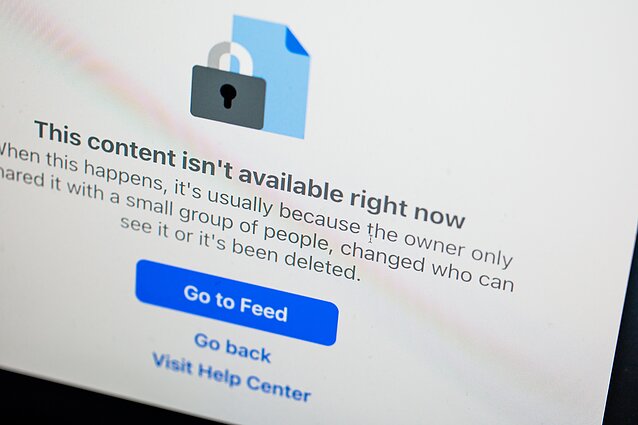
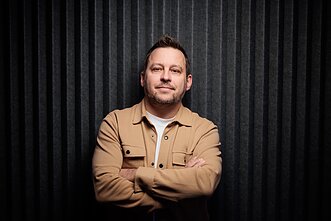
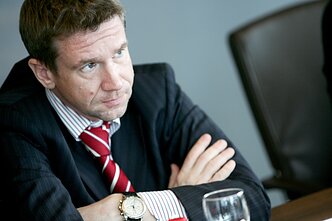
Communication specialist Karolis Žukauskas says his social media accounts were restricted after he published information questioning the financing of Nemunas Dawn. He also said users who shared his content were blocked.
Žukauskas has called on law enforcement to open a new investigation into the party’s funding, arguing that financial support from individuals and legal entities may have been collected in a non-transparent manner after a previous probe was discontinued.
He said his account has been flooded with inauthentic profiles from abroad, with follower numbers at times increasing by tens of thousands overnight.
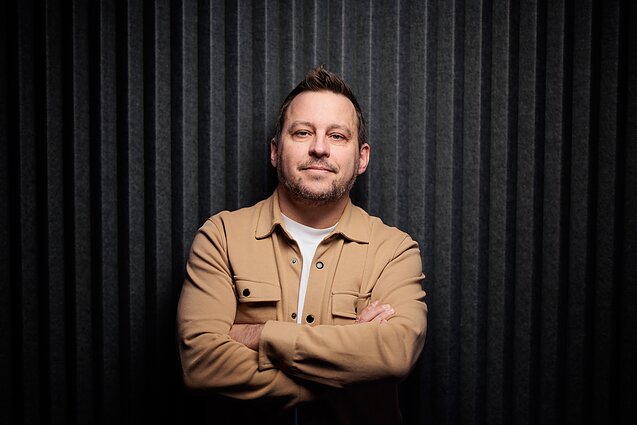
Experts interviewed by LRT.lt said it is unclear who may have initiated such activity, but warned that the dominance of fake accounts on social media is concerning.
Tomas Kazulėnas, head of the Civic Resilience Initiative, said he does not recall a similar case. He noted that the Facebook account of Nemunas Dawn leader Remigijus Žemaitaitis appears to display patterns associated with so-called bots, or inauthentic accounts, including sudden spikes in followers over short periods.
“If the growth were organic, we would see consistency, with jumps only after major events,” Kazulėnas said, adding that engagement levels such as comments and shares do not increase proportionally with the reported number of followers.

“That suggests part of the audience may be inauthentic and generated through technical means,” he said.
According to Kazulėnas, fake accounts are often created in Southeast Asia, where labour costs are lower and regulation of social media platforms is less strict.
Viktoras Daukšas, director of the disinformation analysis centre Debunk.org, said the blocking of Žukauskas resembles incidents at the start of Russia’s full-scale invasion of Ukraine, when prominent figures supporting Ukraine were restricted online.
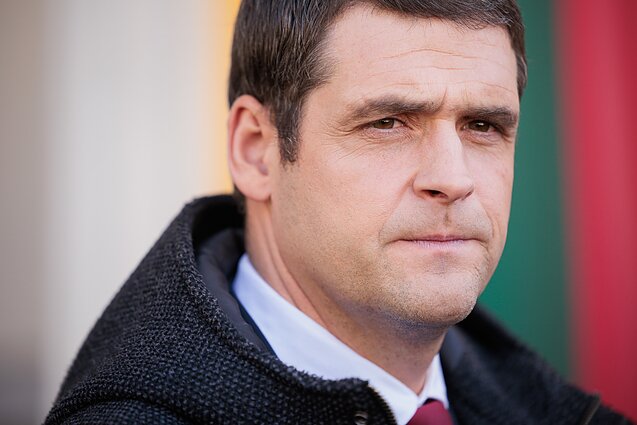
“Previously, we did not have an incident targeting one specific case, where accounts sharing a particular person’s posts were restricted. This is something new,” he said.
Daukšas said bots are typically used to inflate follower numbers and create the impression of greater popularity, but in this case may be used to restrict or discredit content.
He stressed that there is not enough data to determine who may be behind the activity and said answers would be difficult without an internal investigation by Meta, Facebook’s parent company.
Nemunas Dawn board member Robert Puchovič denied knowledge of any fake accounts boosting the party’s popularity. He said the party’s social media activity is managed internally by its members, not outside specialists, and that party leader Žemaitaitis writes his own posts.
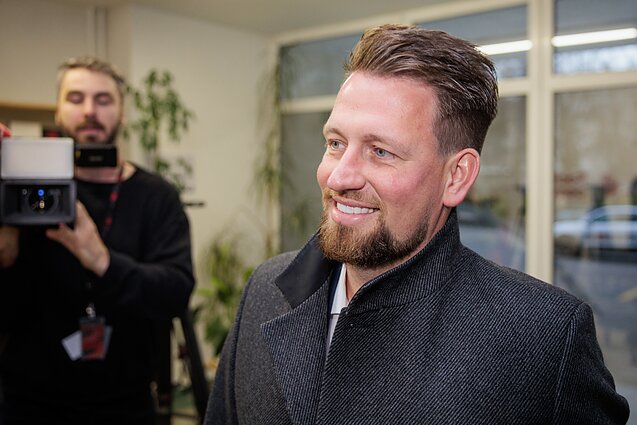
Both Žemaitaitis and Puchovič have previously said they are unaware of any inauthentic accounts linked to the party.
Experts warned that restrictions on social media content raise broader concerns about political debate and democracy. Daukšas said law enforcement authorities and platforms should ensure compliance with the European Union’s Digital Services Act.
Kazulėnas said the use of fake accounts to manipulate visibility, algorithms and platform infrastructure – rather than engaging in argument – poses risks in a democratic society.
“The goal is to influence the platform’s infrastructure, visibility and response mechanisms while bypassing argumentation,” he said. “In a democratic context, that is dangerous.”

Newsletter
Every Friday morning.