






Lithuanian authorities want to bar a performer from entering the country after it emerged that he had performed in Russia during the war in Ukraine and visited Crimea after its annexation by Moscow.
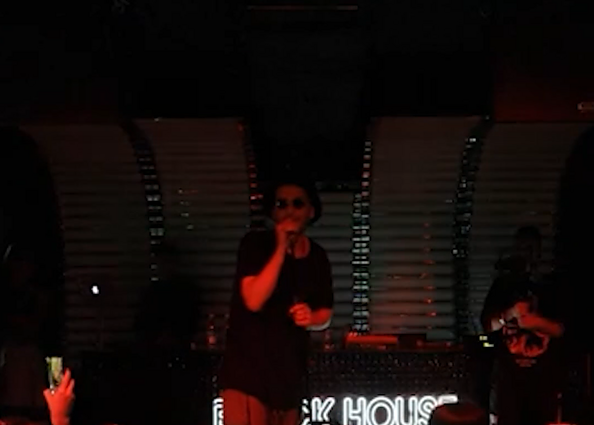
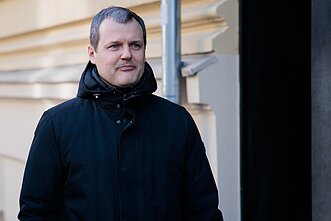
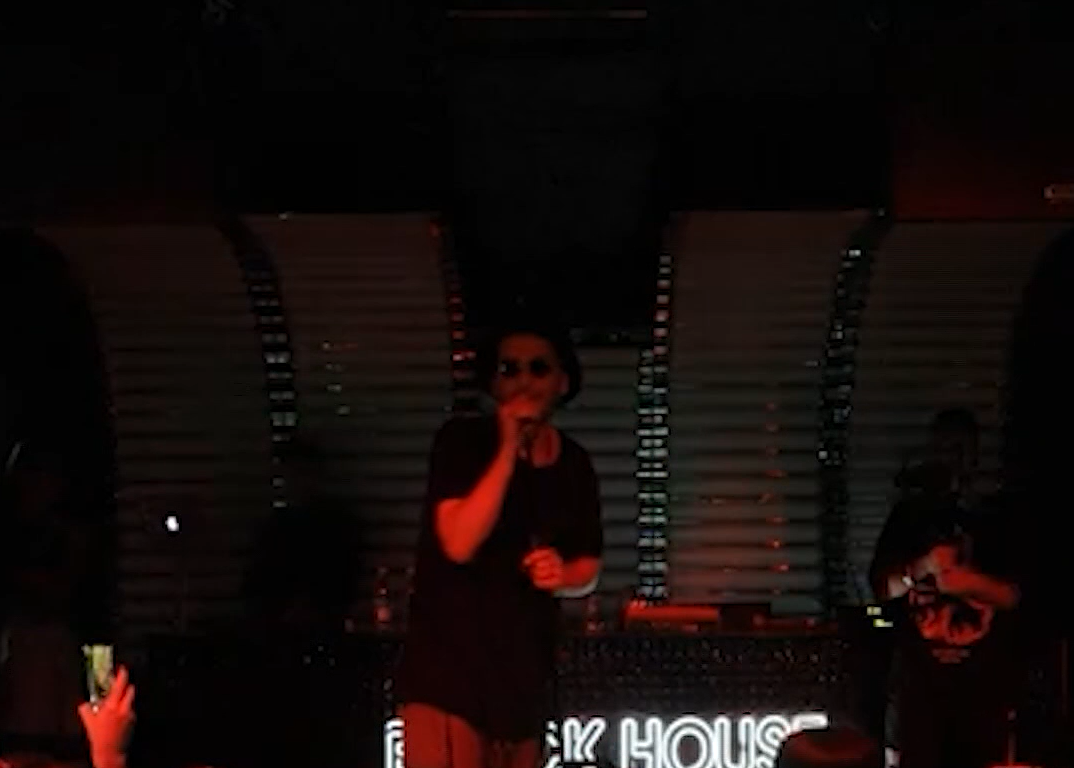
A concert by the Gerogian-Russian rapper Gio Pika, who has held multiple performances in Russia since its full-scale invasion of Ukraine, was planned in Vilnius. The controversy intensified after reports showed the artist had also visited Crimea following Russia’s 2014 annexation of the peninsula. Lithuania’s Foreign Ministry said those visits could provide legal grounds to deny him entry.
The ministry said it would use powers granted under the law to formally ask the interior minister to ban the performer from entering Lithuania.
The case has reignited debate over how Lithuania should handle foreign artists with ties to Russia, particularly those who have not publicly expressed political views. Event organisers and cultural figures say the government has failed to clearly define which performers are unwelcome, leaving decisions to moral judgment rather than policy.
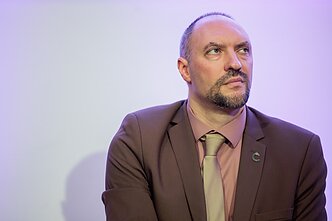
Vilnius Mayor Valdas Benkunskas criticised the planned concert, arguing that performing in Russia during the war amounts to tacit support for the Kremlin.
“Not just anyone can perform there,” Benkunskas said. “An artist who chooses not to take sides, in reality, takes a very clear side, that he is pro-Kremlin.”
Gio Pika has not publicly stated his position on Russia’s war against Ukraine, though he expressed support for Ukrainian refugees during a performance in Warsaw last year.
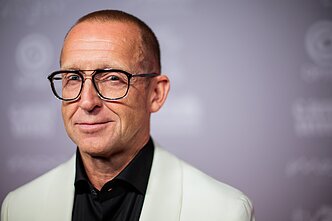
Music producer Martynas Tyla said such gestures do not offset performances in the “aggressor country”.
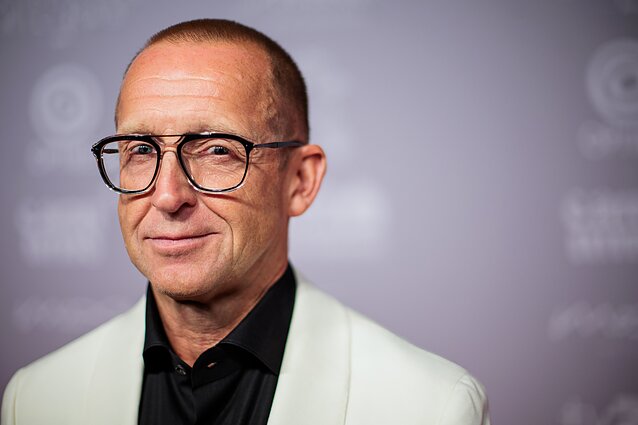
“It’s good that you supported people here, but you were also in the country that is the aggressor during this period,” Tyla said. “That’s why we don’t really want to see you here.”
Benkunskas said the performer’s planned appearance in Vilnius in March was unacceptable, adding that money earned in Russia should not be welcomed in the Lithuanian capital.
The Foreign Ministry stressed that performing in Russia alone is not sufficient grounds to deny entry, but said the artist’s visits to Crimea after its occupation changed the legal assessment.
Culture Vice Minister Viktor Denisenko said the government cannot impose censorship or ban performances. He said responsibility lies with concert organisers who decide whom to invite.
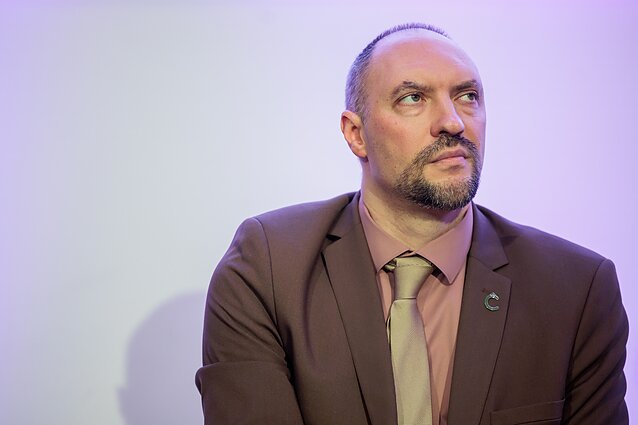
“There is no censorship and there cannot be censorship,” Denisenko said. “What remains is a less clearly defined moral compass.”
Tyla, meanwhile, insisted that organisers need clearer guidance from authorities.
“Maybe there’s no need to say someone is banned, but to clearly draw a red line of what is unacceptable to us,” he said.
Attempts to reach the organisers of the Gio Pika concert were unsuccessful. Tyla said concerts by Russian performers are often arranged by newly established companies registered in Latvia or other countries, complicating oversight. He suggested licensing such companies and questioned what protections exist for ticket holders if concerts are cancelled.
More than a dozen Russian performers, including pop star Philipp Kirkorov, have been added to Lithuania’s list of undesirable persons for openly supporting Russia. Officials say cases involving artists who avoid political statements are far more difficult to judge.
“We cannot act on someone’s hidden thoughts that we do not know,” Vice Minister Denisenko said. “The state cannot move toward automated radicalism.”
The Foreign Ministry said stricter regulation would require changes to existing laws and, for now, is appealing to the moral responsibility of businesses and society.

Newsletter
Every Friday morning.