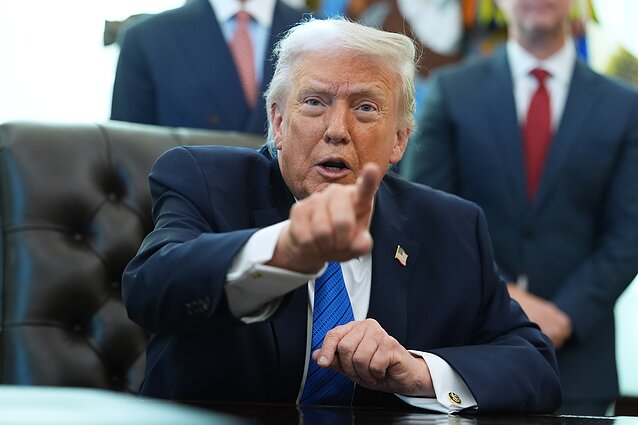









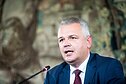




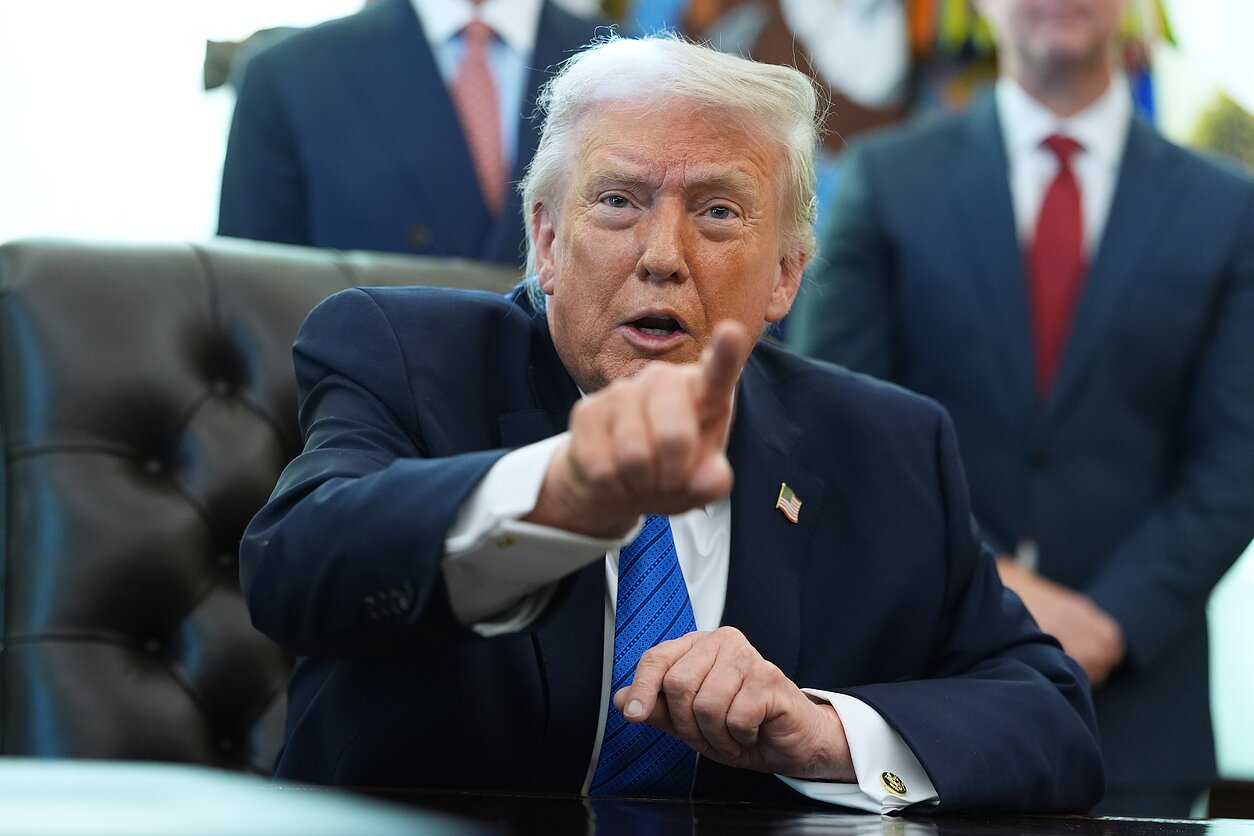
The Lithuanian parliament has received a letter from Israel’s Knesset urging lawmakers to nominate US President Donald Trump for the Nobel Peace Prize, but Speaker Juozas Olekas has declined to sign it, the Seimas chancellery told LRT.lt.
The letter, initiated by the speakers of the Israeli and US parliaments, praises Trump as a “defender of peace” committed to dialogue, diplomacy and global leadership, and claims he contributed to ending eight conflicts. Trump has repeatedly said he should be nominated for the Nobel Peace Prize.
The Seimas chancellery said the document was received January 22 and forwarded to the speaker’s office, but Olekas decided not to sign the appeal to the Nobel committee.
Olekas later told LRT.lt that he was aware of the letter and said a final decision had not yet been made.
“No decision on signing has been taken. We will consult with other regional parliamentarians, and then we will decide,” Olekas said. “A Lithuanian decision will be made after consulting our closest partners.”

By contrast, Latvian Saeima Speaker Daiga Mierinia signed the letter, prompting criticism at home over what opponents described as a unilateral move. Hungary’s parliament speaker, László Kövér, also signed the appeal.
According to Latvian media outlet Ir, Mierinia signed the letter last week proposing Trump for the 2025 Nobel Peace Prize, despite the prize having already been awarded months earlier to Venezuelan politician María Corina Machado. Mierinia initially described her signature as a “test” and said the matter required broader discussion, but later confirmed the letter had been sent to Israel.
Latvian public broadcaster LSM reported that Foreign Minister Baiba Bražė criticised Mierinia’s decision. Critics noted the letter’s praise of Trump as a “defender of peace” despite his recent military actions in Venezuela, frequent criticism of Ukrainian President Volodymyr Zelensky, statements about annexing Greenland – part of the Kingdom of Denmark – and remarks about taking over Canada.
Mierinia defended her decision, saying the United States is Latvia’s strategic partner and arguing that the country’s foreign policy position is unified. She said she believed it necessary to respond to a request from the US House speaker and co-sign the letter, adding that similar appeals had been sent to the speakers of the Estonian and Ukrainian parliaments, though she was unsure whether they would sign.

Newsletter
Every Friday morning.