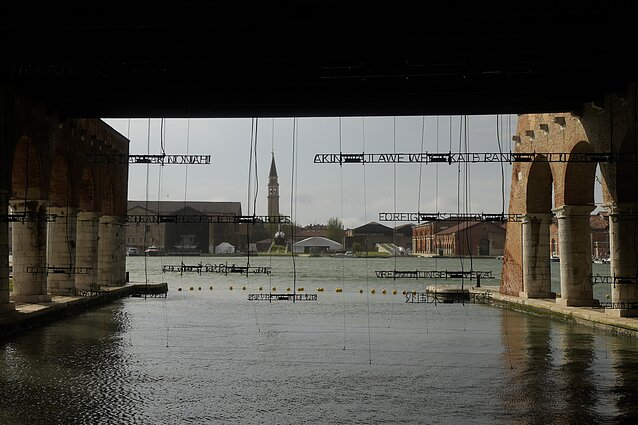














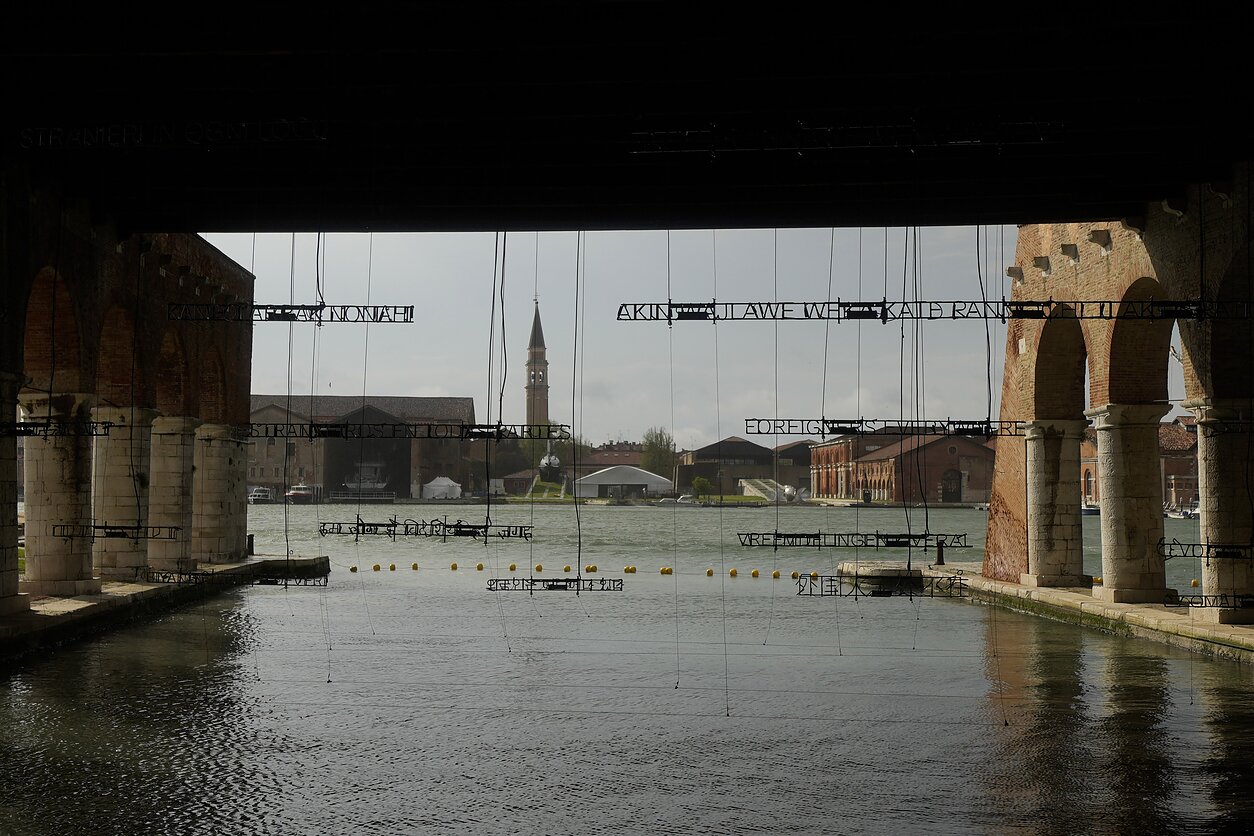
Lithuania announced it will not participate in the upcoming Venice Architecture Biennale, citing reduced funding from the Culture Ministry. Despite a broad-based agreement that the government should focus on significantly raising defence spending, architects and cultural leaders warn about the impact skipping the Venice Biennale may have on the country’s international cultural presence.
“In light of the Culture Ministry’s budget reduction, Lithuania will temporarily not take part in the Venice Architecture Biennale,” the ministry said in a statement to LRT KLASIKA.
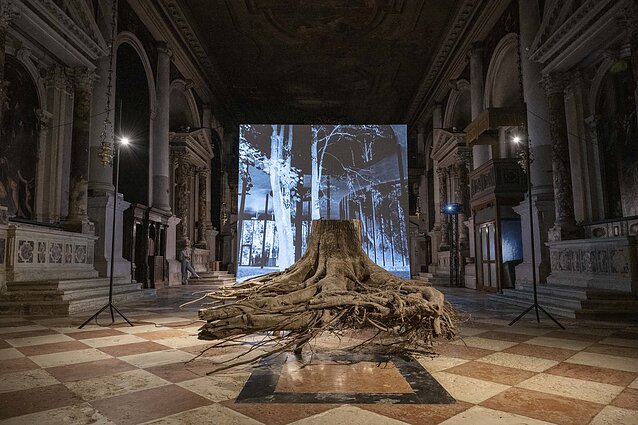
The Venice Architecture Biennale is widely regarded as a major event for architects worldwide to present original ideas, foster dialogue, and engage with peers from different countries. Jonas Žukauskas, one of the curators of Lithuania’s 2023 “Children’s Forest Pavilion” exhibition, emphasised the importance of participation.
“The benefits are measurable. Cultural value is obvious, and culture should always look for formats and ways to be presented, to be useful, and to show pathways forward,” Žukauskas told LRT KLASIKA’s programme Ryto Allegro.
He added that the biennale also offers a geopolitical platform.
“Dialogue takes place in which countries that are aggressors currently do not participate. Neither Iran nor Russia attends. If we withdraw from this event, where the world’s geopolitical situation is showcased, we lose a lot – ways to speak and tell our story, about our problems and solutions.”
Architect Andrius Ropolas expressed uncertainty about whether the decision is temporary. “It’s very easy to stop, very hard to start again. Architects know how long it took to convince people that it’s worth and necessary to participate,” he said.

Kęstutis Kuizinas, director of the National Architecture Institute, said he was concerned about the long-term implications. “Missing it once might not be dramatic, especially in times of budget cuts. But from experience, returning can be more difficult. It will take convincing new policymakers of the event’s importance and the necessary funding. That worries me,” he said.
Representatives of the Culture Ministry did not participate in LRT KLASIKA interviews and said they could not find anyone available to comment on the decision.
The budget cuts come amid the Lithuanian government’s drive to ramp up military spending. The country plans to spend €4.8 billion, or 5.38% of GDP, on defence this year, up from €3.3 billion in 2025 and €2.6 billion the previous year.

Newsletter
Every Friday morning.