














Lithuania’s economy is expected to continue growing next year and could expand by 3.2%, according to the latest forecast by the Bank of Lithuania.
Bank of Lithuania Chairman Gediminas Šimkus said economic growth will be supported by the reform of the second-tier pension system, which is expected to inject a significant amount of money into the economy, as well as by rising investments, particularly in national defence.
The central bank estimates that about one-fifth of people participating in the second-tier private pension scheme will withdraw their savings, adding roughly 1.2 billion euros to the economy next year.

A similar pension reform was implemented in Estonia, where about 20% of savers withdrew funds as soon as they were allowed to do so. Estonian economists at the time described the effect as a “rain of money”, as consumers quickly spent the funds, giving the economy a boost.
Lithuania’s central bank expects a comparable inflow of cash but cautioned that the sums withdrawn by individuals are unlikely to significantly affect the real estate market.
“If you are buying without a loan, you won’t be able to afford real estate – you simply don’t have enough savings,” Šimkus said. “And just because you receive a few thousand euros from the second-tier pension does not mean you will easily get a loan from a bank. What matters is your ability to service the loan, not a one-time payout.”

The Bank of Lithuania said economic growth will continue but remain uneven. After a stronger expansion in 2026, growth is expected to slow again in 2027.
Inflation is forecast to remain elevated, but rapid wage growth should gradually increase households’ purchasing power.
Indrė Genytė-Pikčienė, chief economist at Artea Bank, said the economy’s performance next year will largely depend on how people use the funds withdrawn from their pension savings.

“Estonia’s example showed that a sizable share of the money simply stayed in checking accounts and was neither invested nor spent,” she said. “This will be a test of financial literacy – how we choose to handle our accumulated savings.”
Economists say the economic boost expected in 2026 could be used to cushion the slowdown projected for 2027, but that will depend on government actions and communication encouraging productive use of funds and continued investment.
SEB Bank economist Tadas Povilauskas said policymakers should focus on preventing a sharp decline in investment in 2027.
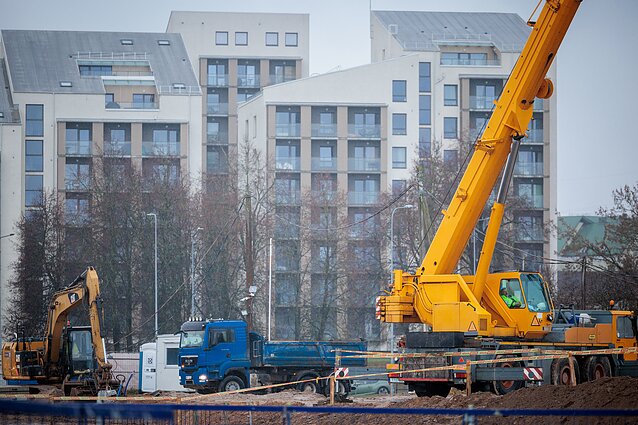
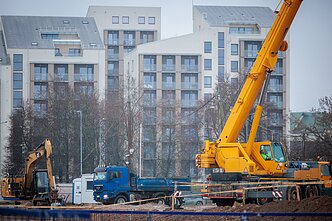
“In 2026, investments will clearly stimulate the economy – both from businesses and the public sector,” he said. “The housing market is also recovering strongly, including the primary market, with new construction increasing rapidly.”
Economists added that investments in military infrastructure – including the development of military towns and training grounds – are also expected to provide an additional boost to economic growth.

Newsletter
Every Friday morning.