
















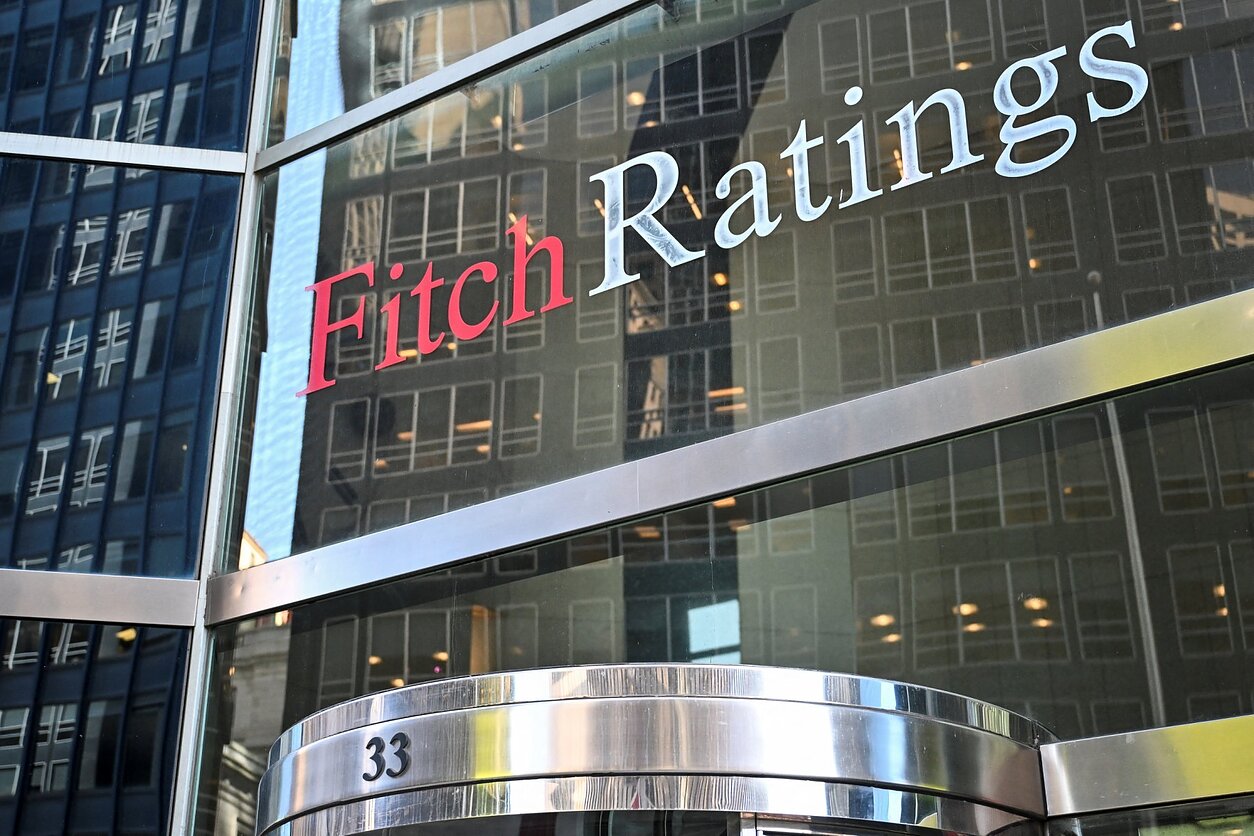
The international ratings agency Fitch Ratings has downgraded the credit rating of Latvia’s national carrier, airBaltic, from B– to CCC+, indicating “significant risks” for creditors and highlighting mounting financial pressures as well as concerns over the airline’s long-term sustainability.
Fitch has also lowered the rating on airBaltic’s €380 million long-term senior secured bonds from B to B–, assigning a recovery rating of RR3.
The revised rating suggests that any deterioration in operating conditions or the financial environment could leave the airline struggling to meet its obligations. While a B rating is considered “highly speculative”, it nonetheless implies a certain buffer against adverse developments. The new CCC+ rating signals that the airline is now far more exposed: any market volatility, rise in costs or delays in securing external funding could sharply worsen its position.
The RR3 recovery rating indicates that, in the event of default, creditors would recoup only part of their investment. In practical terms, if airBaltic’s financial situation were to deteriorate beyond recovery, bondholders could face notable losses due to insufficient assets to cover outstanding debts.
Fitch’s decision reflects a combination of factors: continued losses, a rising debt burden – particularly from aircraft leasing linked to fleet expansion – limited access to affordable financing, and heightened sensitivity to fuel prices and broader conditions in the European aviation market. The airline is also under pressure due to capital restructuring plans and its need to secure external support, including talks with potential investors.
Despite the downgrade, Fitch notes that airBaltic remains operational and that backing from the Latvian government, as well as interest from prospective strategic partners, could provide some relief. However, the current financial structure leaves the airline highly vulnerable to external shocks. Its operating results for 2025 have been weaker than anticipated, with rising costs and persistently low profitability constraining free cash flow and reducing liquidity.
In the short term, airBaltic’s prospects will hinge on its ability to stabilise cash flows and secure additional financing. If successful, the carrier may be able to maintain its position in the market. Should operational performance continue to decline, however, the risk of default is likely to increase rapidly.
Although the new rating moves the airline closer to distressed territory, it does not imply an inevitable further downgrade or default. CCC+ denotes a highly fragile situation, yet one in which recovery remains possible – whether through a public offering, capital raising, debt restructuring or cost-cutting measures. The airline now faces an urgent need to attract investors and explore restructuring options.
Originally published on December 2, 2025; 08:39 GMT+2

Newsletter
Every Friday morning.