










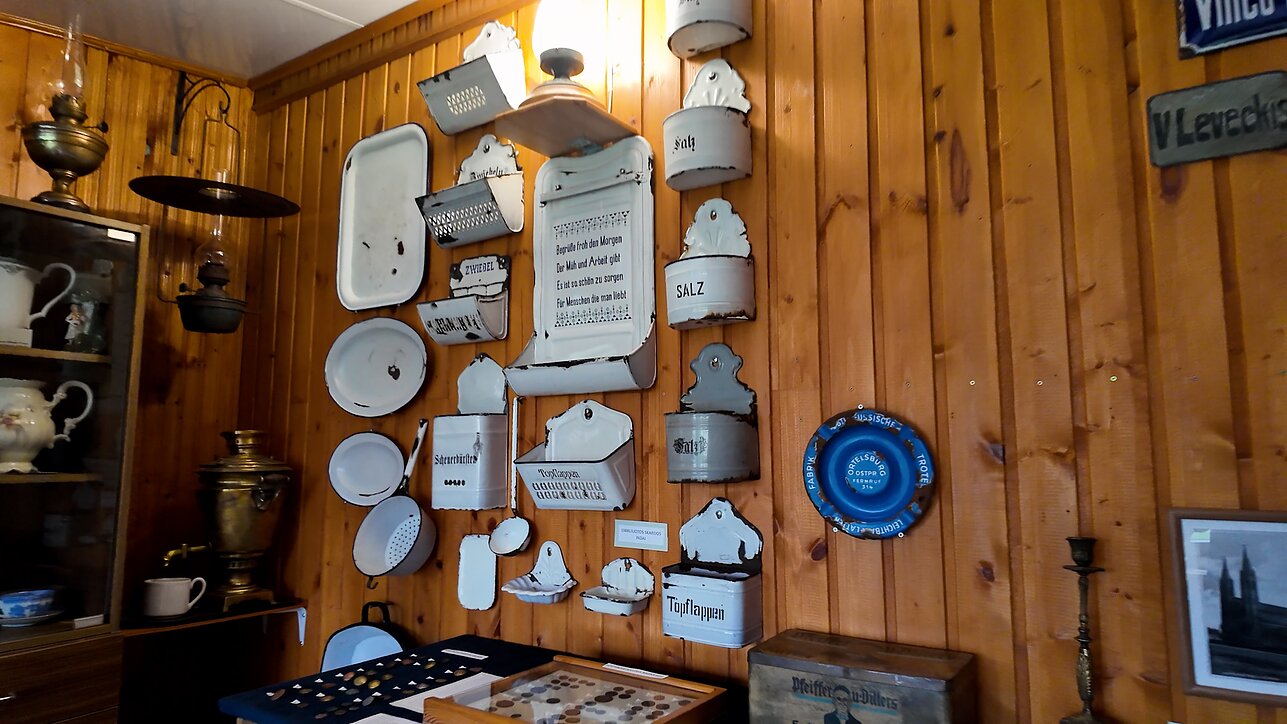
Marking 500 years since the establishment of the Duchy of Prussia, Aurimas Kanapkis, an educator at the Vincas Kudirka Museum, explained the Duchy's role in Lithuanian history.
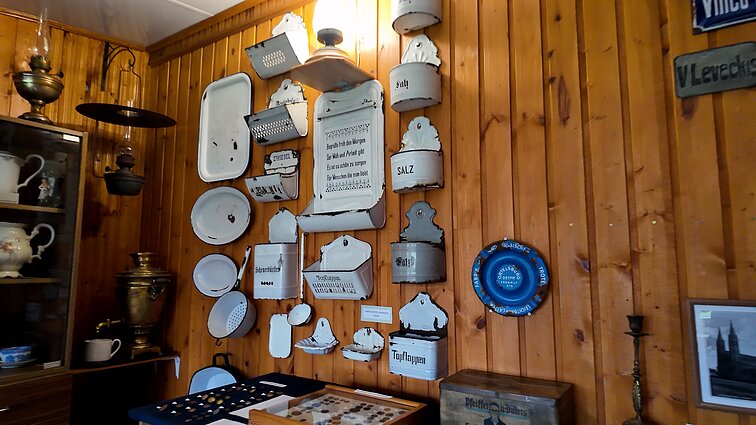
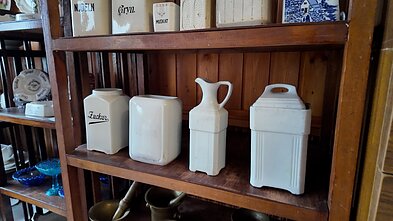
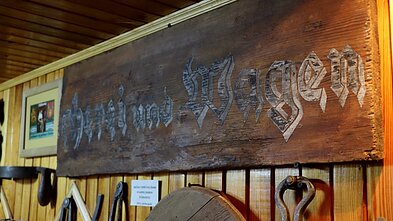
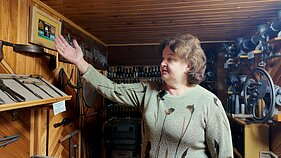
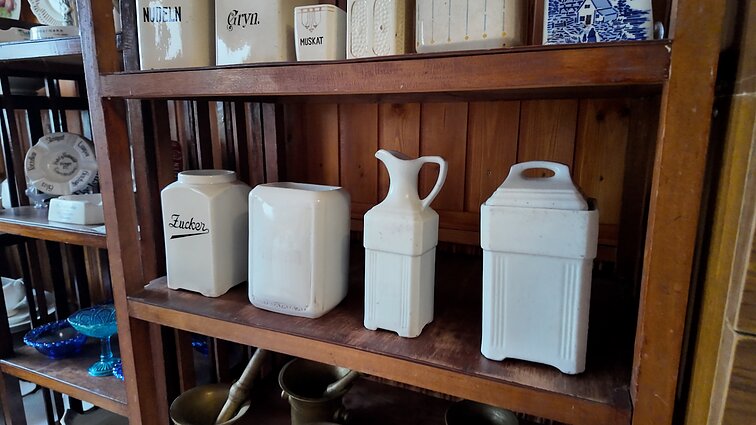
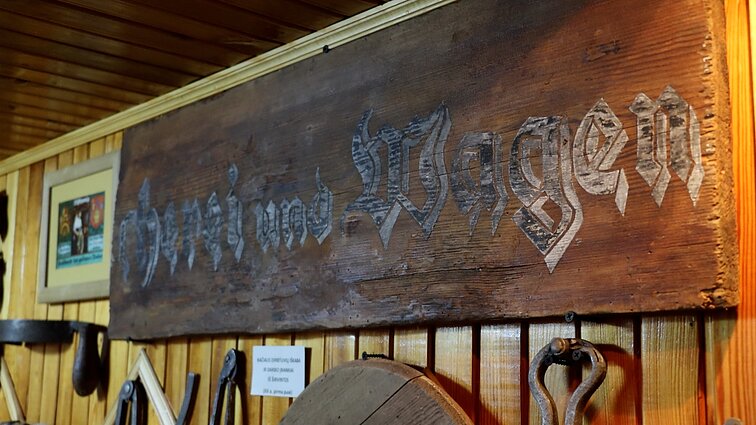
At the Gražina and Petras Žemaitis homestead in Kudirkos Naumiestis, western Lithuania, a remarkable collection of Prussian-era tools and artefacts is on display, some of which were brought from East Prussia. A few of these items were even discovered on the family’s own property.
The exhibits tell the story of Kudirkos Naumiestis while also recalling the once-thriving East Prussian town of Širvinta.
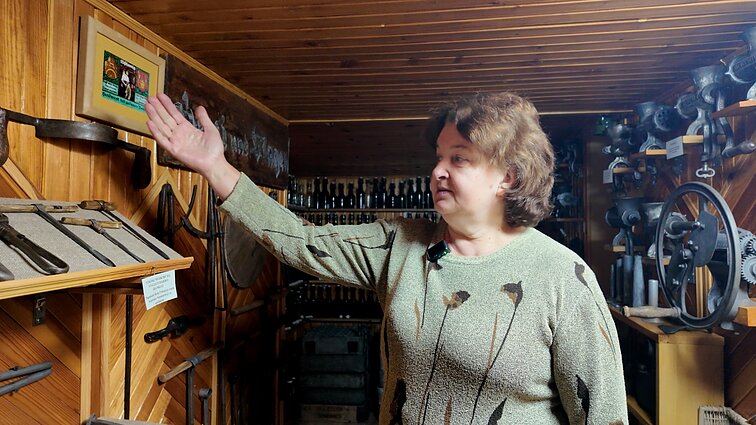
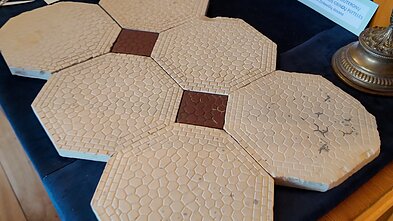
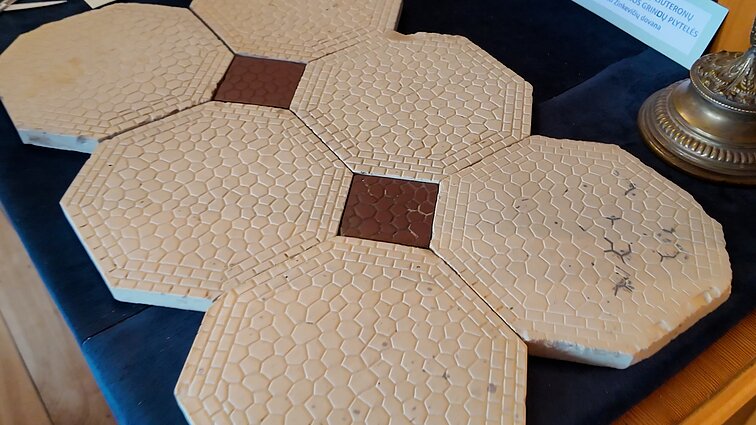
“We have surviving tiles from Širvinta’s church. There are German-made tools for woodworking, carpentry, and forestry, a tobacco cutter, machines for mincing meat and pressing juice, branded brewery bottles, and even frying pans. These items testify to the historical connection between Kudirkos Naumiestis and Širvinta,” said Žemaitienė.
Aurimas Kanapkis, an educator at the Vincas Kudirka Museum, explains that Kudirkos Naumiestis, Kybartai, and Vištytis were all part of the historic Paprūsė region, bordering what was once Prussia. Life along this border – with the Duchy of Prussia and later unified Germany – was closely tied to economic, social, and cultural exchanges.
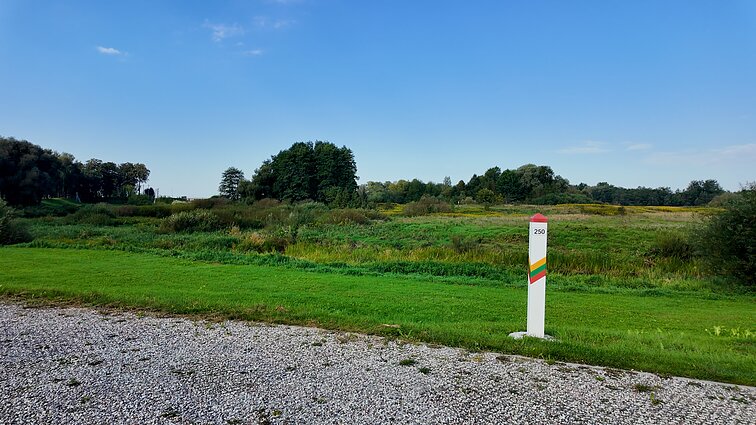
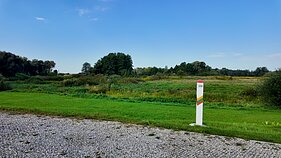
“We are now right on the border. Across from us is the Kaliningrad region. At the turn of the 19th–20th centuries, hundreds of people crossed daily. Germans came to Lithuania for cheaper food, Lithuanians went to Širvinta in Germany for various industrial goods,” he explained.
Even today, traces of German influence can be seen in Kybartai’s architecture.
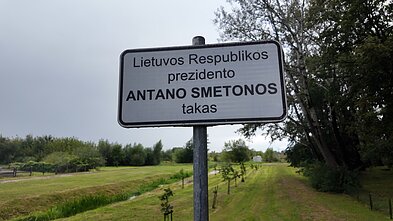
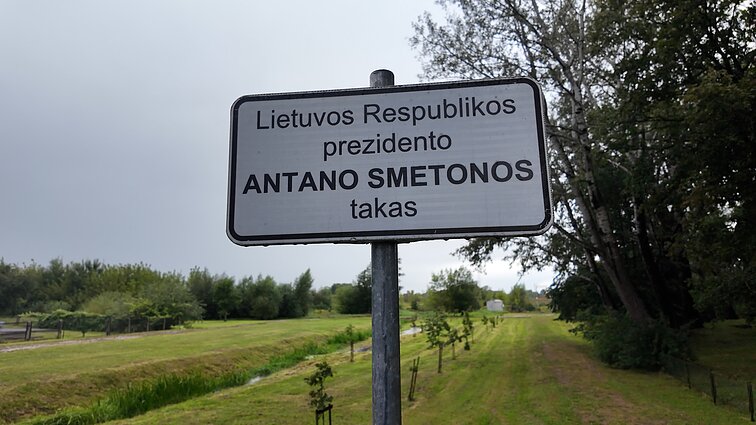
“This was once a fairly significant border town, through which people, ideas, censored press, and goods moved. It’s likely that [former Lithuanian President] Smetona crossed here between Lithuania and Germany [to evade Soviet occupation]. Outside the Klaipėda region, Vištytis is the only other place where one could enter the former Prussian territory,” Kanapkis explained.
The region also played a role in the Lithuanian book smuggling movement.
“In the 19th century, Kazys Grinius [who would later become President of Lithuania] and his wife Joana lived for a time in Naumiestis. In Kybartai, Joana took part in the Lithuanian book-smuggling movement, transporting banned Lithuanian-language books between Eitkūnai and Kybartai. Similar activities took place between Širvinta and Naumiestis. Book smuggling is a striking example of ‘contraband’ turned into a form of peaceful resistance,” Kanapkis explained, discussing the movement that emerged to resist Russification and the suppression of Lithuanian identity during the country’s occupation by the Russian Empire.
Prussia and Germany long influenced the identity of these border towns and the wider region.
“Is Paprūsė part of today’s regional identity? Probably not. It’s more of a historical relic fading from memory. The commemoration this year is a good opportunity to register these stories and perhaps even lay the foundation for a renewed regional identity,” Kanapkis noted.
Today, Paprūsė remains full of untold stories.
“There are countless angles to explore this region and its history. You need imagination, research, and empathy – put yourself in the shoes of the people who lived here – to truly experience Paprūsė,” he said.
From Vištytis to the coast, the Paprūsė region has left its mark on both Lithuanian and Eastern European history. To mark the 500th anniversary of the Duchy of Prussia, 2025 has been declared the Year of Paprūsė in Vilkaviškis and Šakiai districts.

Newsletter
Every Friday morning.