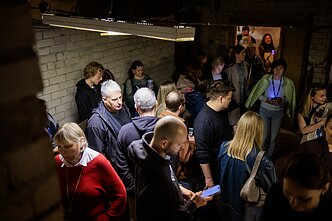













The renewed Šiauliai Railway Museum has opened its doors to visitors, allowing a glimpse into how Lithuania’s railways have changed over the past 150 years.
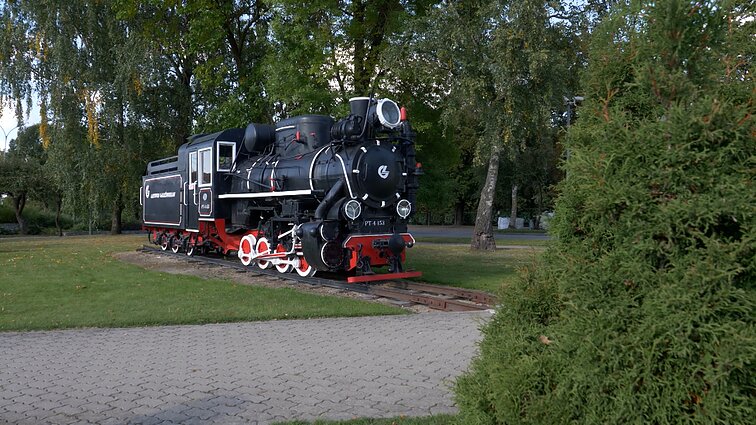
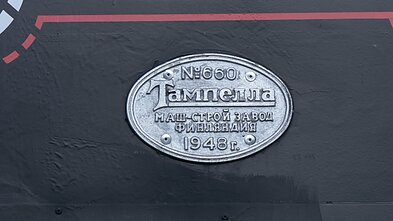
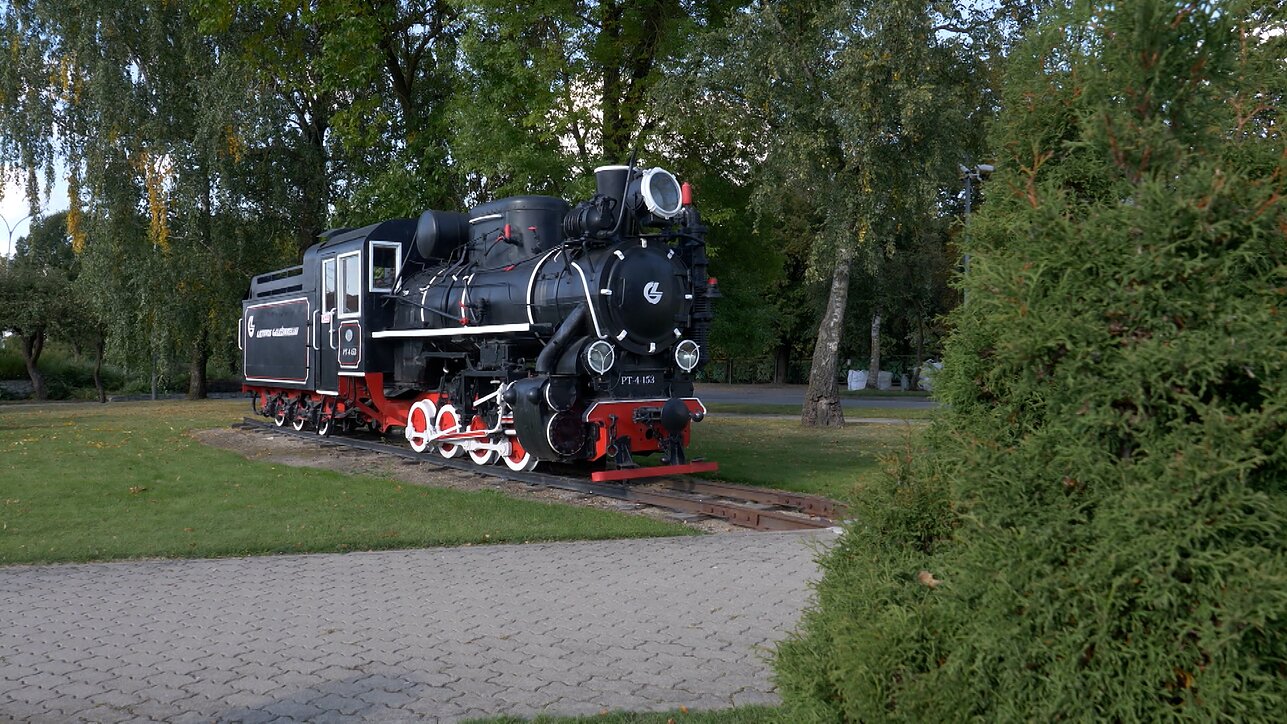
The Šiauliai Railway Museum’s exhibition begins outside, where a narrow-gauge locomotive built in Finland in 1948 and a broad-gauge locomotive built in 1947 are on display.
“Continuing through the outdoor display, we see a postal cart and a tractor. Steam engines were not the only essential equipment – railway stations also needed tools to move crushed stone, sand and gravel, and to transport parcels and luggage,” says Ilona Senulienė, a specialist at the museum.
The history of railways in Šiauliai began in 1871, when the railway station was built and the first train arrived in the city.
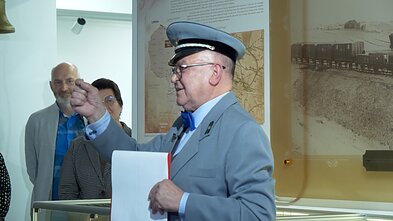
“On September 4, 1887, this train rolled in and was greeted by applause. Once the railway was built, Šiauliai began to grow. Within six years the city had doubled in size and was already earning 100,000 gold roubles,” actor Vladas Baranauskas of the State Šiauliai Drama Theatre tells visitors.
The museum has now undergone significant updates.
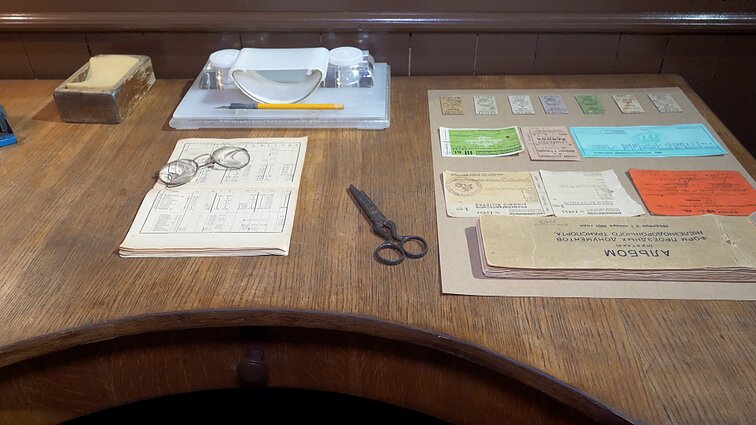
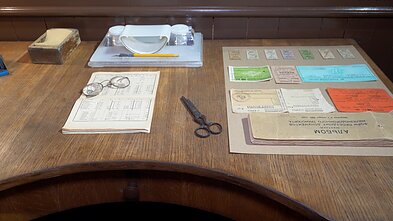
“It was important to preserve its historical character – to present the story from the 19th century to today and to reveal the charm of the interwar period by recreating the railway station’s interior,” says museum specialist Ilona Senulienė.
The museum, created on the initiative of railway workers, continues to collect and preserve a wide variety of items linked to the history of Lithuania’s railways, from interior features to work tools.
“A track level, a broad-gauge track gauge, tongs for carrying rails. I would highlight the section of rail from 1889 – you can see what rails used to look like,” the specialist says.
The renovation of the museum took roughly a year. In total, about 6,000 exhibits are held here.
“In the 20th century, people travelled to Paris in 19 hours. Today we are implementing Rail Baltica, the largest project in the Baltic states, which will allow people to reach Riga in two hours, Tallinn in three and a half, and Warsaw in four,” says Aleksandras Zubriakovas, a representative of the state railways, LTG.
“This shows how much rail travel has advanced in the past 100 years. And at the end of September, railways worldwide celebrated the 200th anniversary of the first railway line,” he adds.
Next year will mark 155 years since the first train arrived in Šiauliai, while the museum will celebrate its 55th anniversary.

Newsletter
Every Friday morning.