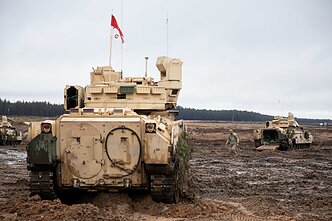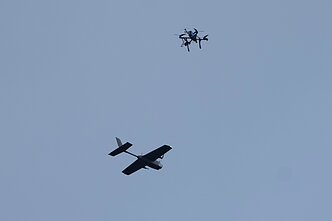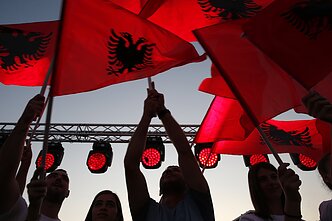












After NATO allies agreed this year not only to boost defence spending but also to adopt a broader definition of what qualifies as defence expenditures, Lithuania has begun following suit.
At their June summit in The Hague, alliance members pledged to allocate 5% of GDP to defence by 2035. Under the agreement, 3.5% of GDP must go toward core defence needs, while another 1.5% can fund security-related areas such as dual-use infrastructure and cybersecurity.
Previously, NATO countries had committed to spending 2% of GDP on defence, but those funds were limited to traditional military expenses.
Before the Hague meeting, Lithuania had already announced plans to allocate 5% to 6% of GDP annually for defence by 2030, primarily to fully develop an army division.
In its draft 2026 budget, the government earmarked 5.38% of GDP, or about €4.8 billion, for national defence, the largest defence commitment in Lithuania’s history.
The total includes €25 million for bomb shelters, a relatively small portion of the budget but symbolic of Prime Minister Inga Ruginienė’s broader view of what counts as defence spending.
Dual-use roads and broader security definition
Next year’s defence funding consists of allocations to the Defence Ministry, including €700 million from the State Defence Fund, which collects revenue from recent tax increases. The cabinet approves the fund’s annual spending plan, prompting critics to question whether all funds will address actual military needs.
Sceptics are particularly wary of a budget provision allowing the Defence Ministry to allocate part of its funding for municipal roads providing access to military sites.
Finance Minister Kristupas Vaitiekūnas said all defence-related spending decisions will remain under the ministry’s control.

“They will spend the money in the best way they see fit for the country’s defence,” he told BNS.
Ruginienė has argued that defence should be viewed broadly, saying that funds could also go toward dual-use roads leading to training grounds or even arming internal security officers.
“Let’s not understand defence only through the purchase of weapons,” the prime minister said while presenting the state budget.
Vaitiekūnas added that even expenses indirectly tied to defence will count toward the defence budget under NATO standards.
“We are part of the alliance, so we should follow its rules and methodology,” he said.
Opposition warns of ‘love for asphalt’
Funding for dual-use roads was also included in this year’s Defence Fund budget but previously could not be counted toward the defence target under stricter NATO rules.
Former finance minister and opposition lawmaker Gintarė Skaistė said that even with NATO’s new guidelines, labelling infrastructure as defence spending is misleading.

“From NATO’s point of view, it can be done, but it shouldn’t be,” Skaistė said. “And from the perspective of implementing the State Defence Council’s decisions, it’s also inappropriate, because the current defence allocations are already insufficient.”
Former Defence Minister Dovilė Šakalienė has said the military would need 5.5% of GDP this year to meet its needs, arguing that smaller budgets will force cuts to procurement plans even as the army division continues to develop.
Skaistė voiced doubts about the Social Democratic-led government’s pledge to fully allocate the planned funds to defence.
“Knowing the Social Democrats’ love for asphalt, I have concerns that a large part of the State Defence Fund could go toward military mobility projects,” she said, noting that road funding increased only slightly from €805 million to €815 million despite numerous new promises.
The government has previously said it would provide special funding for infrastructure in municipalities willing to host new military training areas.

Newsletter
Every Friday morning.