





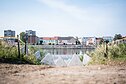




A photo documentary by Ingmar Björn Nolting about Germany’s energy transition and climate crisis has won the main award at the 18th international Vilnius Photo Circle festival, organisers said in a press release.
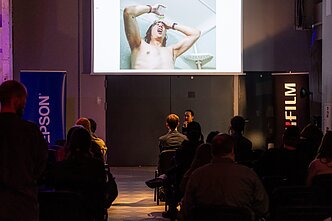
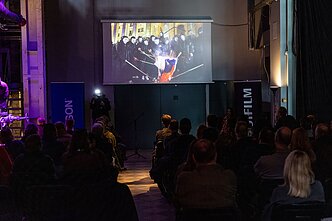
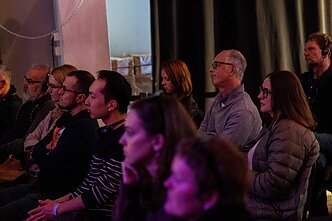
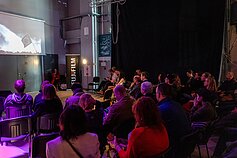
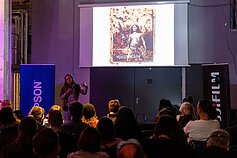
“It was very interesting to see how you see the world,” said Dina Oganova, one of the jury members, when opening the award ceremony to a packed audience at the Vilnius Energy and Technology Museum.
The Vilnius Photo Circle Award finalists were Alexander Vasukovich, Bartosz Ludwinski, Ingmar Björn Nolting, Mitar Simikić, and Pasha Krytchko. The finalists in the Highlight category, dedicated to authors under 30, were Fatemeh Jedari Faridi, Tbel Abuseridze, and Zifan Zhang.
Faridi was named the Highlight Award winner with her story on climate change, Tabriz: From Garden City to a City in Crisis.
This year also saw the addition of the LIETUVA award, dedicated to exploring topics of the Baltic country.
“We wanted to encourage Lithuanian photographers to create photo stories,” said Paulius Peleckis, one of the organisers and a Baltic News Service photojournalist.
“Although we expected this category to attract solely Lithuanian authors, we received numerous submissions from international photographers who are interested in our country and our stories here,” he added.
The LIETUVA category finalists were Damian Chrobak, Patricia Silva, and Ramūnas Danisevičius. Traces of Everyday Life, a project by Kaunas-based Polish photographer Chrobak, which documents contemporary Lithuania and its identity, was named the winning entry.
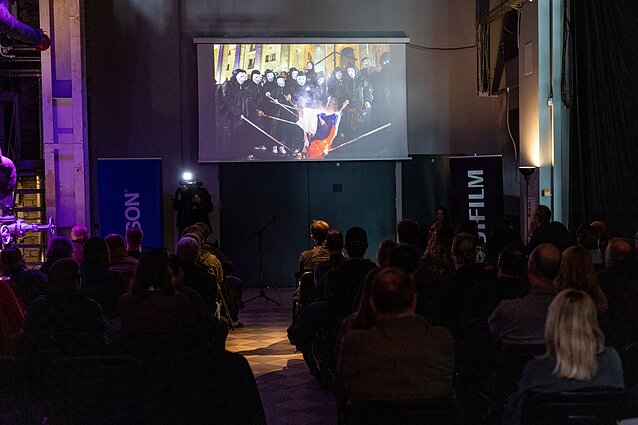
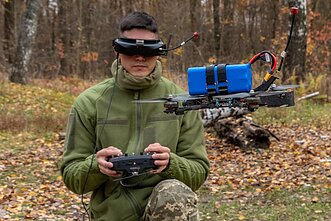
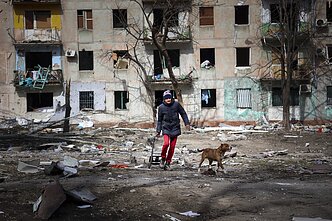
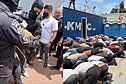
A special EPSON prize was awarded to Algirdas Bakas for his story on the 100th Lithuanian Song and Dance Festival, while a special Alexia Foundation award was handed to Alexander Vasukovich for his documentation of Russia’s war in Ukraine.
“Photography couldn’t stop the war or change the world instantly, but it can influence other generations. And even if one person changes their mind because they see my work, I will be happy,” said Vasukovich.
“I became a photographer because I saw important work on human rights by other colleagues, which means that their photography changed me, so our work does make a change,” he added.
All winners of the festival prizes received Fujifilm camera awards.
"We are delighted not only with the ongoing support of FUJIFILM LIETUVA and EPSON, but also with the continued trust placed in us following the change in the event's team," said Tadas Kazakevičius, one of the organisers.
"The prizes awarded at this festival often become a huge incentive for photographers in their professional careers. We would also like to thank the Lithuanian Council for Culture for financing the festival – without it, this festival would not even exist. This is a huge gift to Lithuanian photographers," he added.
The jury included Philip Blenkinsop, documentary photographer, co-founder of Noor, and tutor at the VII Academy; Marika Cukrowski, the manager of production at the World Press Photo Foundation; Bruce Strong, a photojournalist, professor and The Alexia Endowed Chair in the United States; Artūras Morozovas, a Lithuanian documentary photographer; and Oganova, a Georgian documentary photographer.
The festival saw over 200 submissions from around the world, including from authors in Lithuania and the Baltic states.
“We want to make sure Vilnius Photo Circle becomes an important player in Lithuanian documentary photography – in both how we see the world, and how the world sees us,” said Benas Gerdžiūnas, one of the organisers and an LRT journalist.
The new visual identity and the festival’s photobook were created by designer Sandra Rivero Ortiz.
“A strong visual design across the magazine, website, and overall branding should frame and support the participants’ work, allowing their projects to be experienced with clarity and impact,” she said.
“The festival itself contributes to Lithuania’s cultural landscape, creating a space where meaningful stories and perspectives can be shared with the world,” Ortiz added.
Organisers said next year’s festival will continue to build on the success of this year’s edition, with the planned addition of a residency programme and more events bringing photographers from all over the world to the Lithuanian capital.
“This year marked a period of transition for the Vilnius Photo Circle. We are grateful to Jonas Staselis, who founded the festival in 2007, for trusting us to take over its management,” said Mykolas Juodelė, one of the organisers.
“Building on the foundations he laid, we are committed to continuing to reach new audiences, discover emerging talents, and foster a space for the community to grow. We are already looking forward to next year’s edition,” he added.
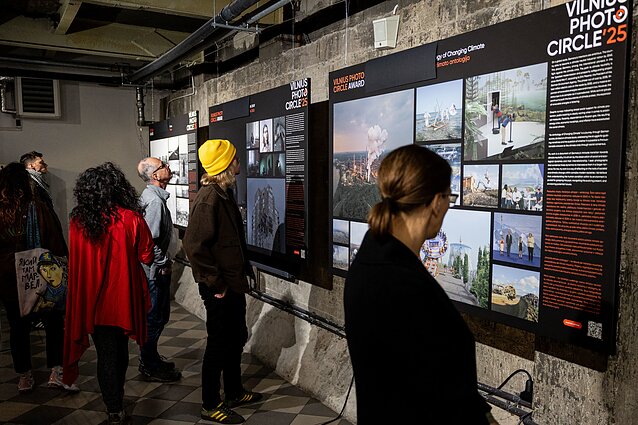
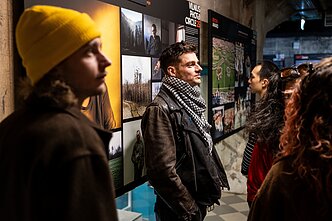
The exhibition with all the winning and shortlisted entries will continue at the Vilnius Energy and Technology Museum until the end of October. A limited 700-copy print of the Vilnius Photo Circle book will soon be available for order.

Newsletter
Every Friday morning.