













Lithuania has seen a rise in HIV cases since 2022, largely due to infections diagnosed among foreign nationals, according to public health officials.
Of 400 foreigners who have tested positive for HIV in Lithuania, 70% were diagnosed in the past three years, the National Public Health Centre reported. Most recent cases involve citizens from Ukraine who have sought medical help and consultations from NGOs and state institutions.
“We have observed a larger number of new HIV cases in Lithuania over the past three years,” said Kęstutis Rudaitis, a public health specialist. “This has been influenced by the geopolitical situation and the influx of people, particularly from Ukraine.”
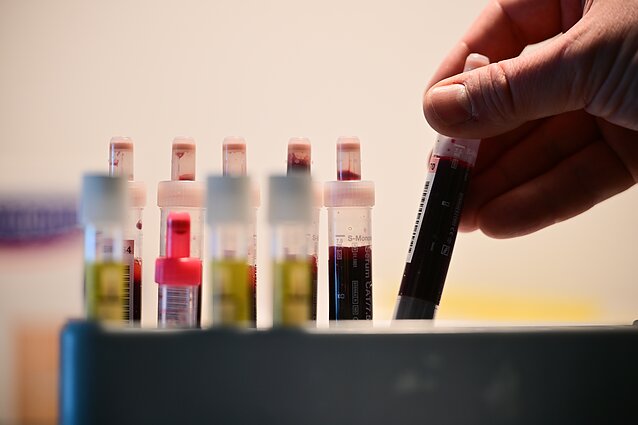
In Vilnius, a testing centre offers free and anonymous HIV checks in three languages. About 10 people come in for testing daily, and on some days one or two positive cases are identified. Patients are then directed to treatment options regardless of nationality.
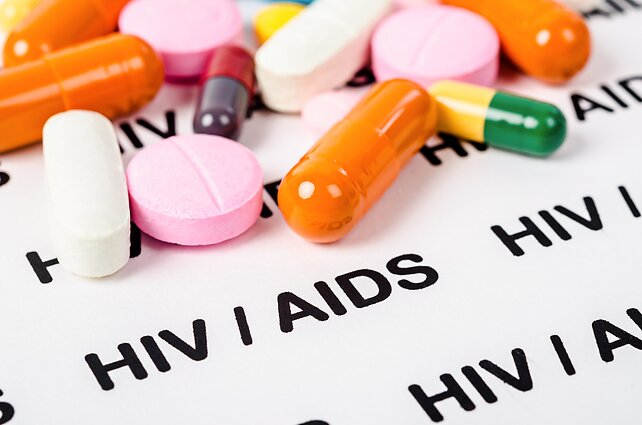
Foreigners can access treatment in Lithuania if they meet certain conditions, including having a residence permit, a registered address, and legal employment.
Professor Raimonda Matulionytė, an infectious disease specialist, said most patients are treated on an outpatient basis, but the increase in foreign patients has created new challenges.
“There are language barriers. The younger generation [of healthcare providers] doesn’t speak Russian, patients don’t speak Lithuanian, and there are cultural differences. It can be difficult for them to register and understand procedures,” she said.

Matulionytė noted that HIV prevalence in parts of Eastern Europe reaches 1%.
“In a country of 46 million, that means about 460,000 cases, so many arrivals are already infected,” she said. She called for routine HIV testing for patients from high-prevalence countries, regardless of perceived risk.
HIV is incurable but fully controllable with treatment. Health Ministry representative Ieva Tinterė said the government plans to soon add PrEP – a preventive drug listed by the World Health Organization as essential medicine – to the list of medications covered by the national health insurance. Infectious disease doctors would prescribe it to patients deemed at high risk of contracting HIV.
HIV is transmitted through sexual contact, blood, and from mother to child during pregnancy, childbirth or breastfeeding.

Newsletter
Every Friday morning.