











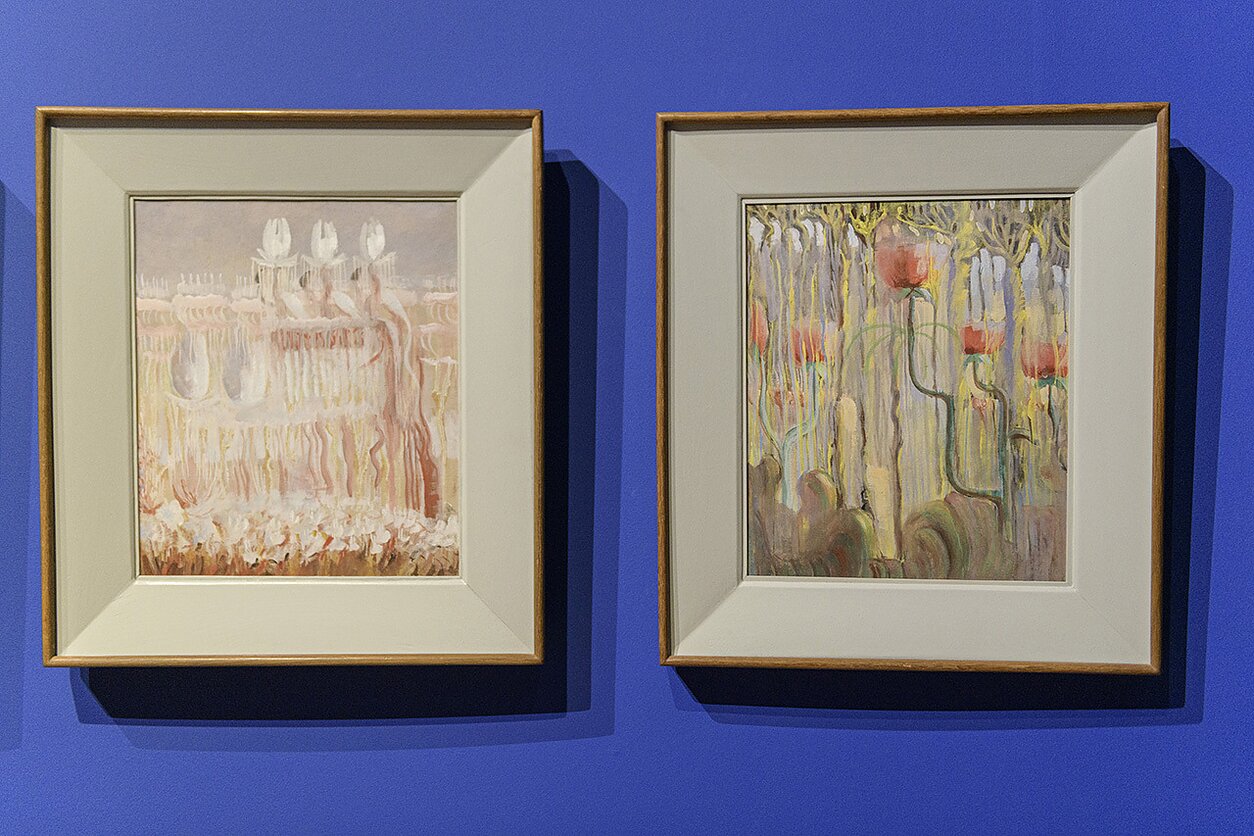
Mikalojus Konstantinas Čiurlionis, a towering figure in Lithuanian art, was an alchemist of the senses who masterfully wove together sight and sound. This extraordinary synthesis birthed a unique body of work, making him a visionary whose influence is now deeply woven into Lithuanian identity.
His multifaceted artistry, like a Rubik’s Cube of styles and innovations, transcended easy categorisation. While some nations recognise him primarily as a mystic painter and others as a profound composer, in his native land, Čiurlionis is revered as both – a testament to his unparalleled genius.
His legacy, once obscured, now shines brightly, with his paintings recognised as prophetic precursors to modern art. This enduring impact is powerfully showcased in Kaunas, where a major exhibition now celebrates 150 years since his birth, inviting visitors into the harmonised world of Lithuania’s celebrated son of sound and vision.
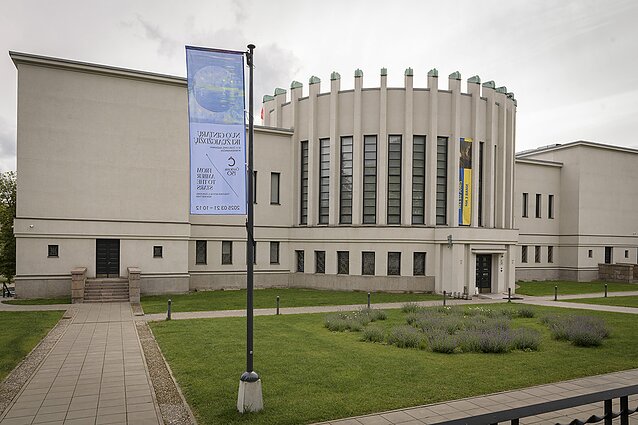
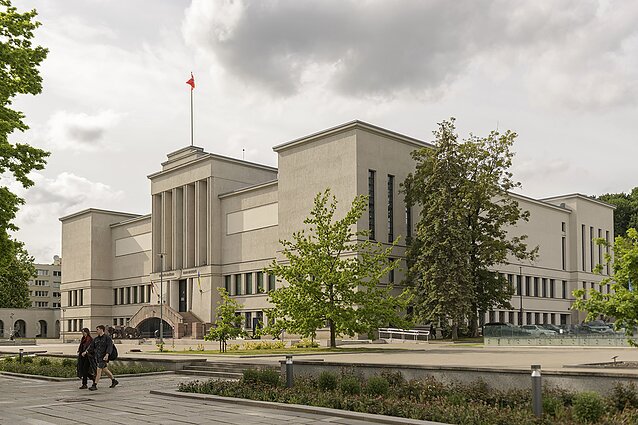
Stepping into “From Amber to the Stars” at the M. K. Čiurlionis National Museum of Art in Kaunas immediately transports the visitor. The museum has crafted an all-inclusive experience rivalling the best international exhibition set-ups, a fitting tribute given its own history.
Established in 1921 as Lithuania’s first visual arts museum, a gallery dedicated to Čiurlionis was added in 1969, following the construction of the main building in 1936. Even the building’s middle section evokes a sense of national pride, resembling the crown often associated with Vytautas the Great, Lithuania’s most revered former ruler.
Čiurlionis’s deepest connection to his homeland perhaps blossomed after his first exhibition in Vilnius in 1907, where he met his future wife, Sofija Kymantaitė. Their brief residence in a back room of a house that now fittingly holds a significant portion of his archives further solidifies his legacy within Lithuanian identity.
This bond is underscored by his spiritual connection to musicologist Professor Vytautas Landsbergis, the key architect of Lithuania’s 1990 state restoration. Though Čiurlionis largely grew up outside the Lithuanian language, his profound inspiration from Lithuanian themes and folk tunes anchored his artistic soul to its roots.
This expansive vision was brought to life by a vibrant curatorial team: Kathleen Soriano (London), a renowned international art figure; Vaiva Laukaitienė (Kaunas), a leading Čiurlionis specialist; and Greta Katkevičienė (Kaunas), a young, unconventional researcher. Their quest for artworks and scientific artefacts spanned European museums, galleries, universities, and private collections, even drawing new creations from artists’ studios.
A true triumph of this project is the inclusion of new pieces crafted specifically for this exhibition by contemporary artists inspired by Čiurlionis. This powerfully underscores the enduring relevance and timeless universality of his themes, proving they continue to evoke profound reflection in creators today.
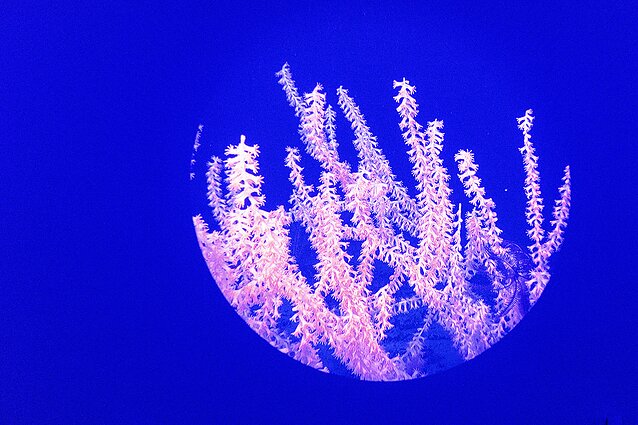
Curator Vaiva Laukaitienė explains that the exhibition is structured around three overarching themes: the sea, the cosmos, and navigation, which links the two. This thematic journey, she suggests, stems from Čiurlionis’s enduring questions. It not only highlights his prominent themes – from the ocean’s abyss to the cosmic expanse – but also reveals how these universal subjects, touching on human existence, the Universe’s structure, and the interplay of humanity, the divine, myth, and science, continue to stir contemporary imaginations and bridge diverse artistic approaches worldwide.
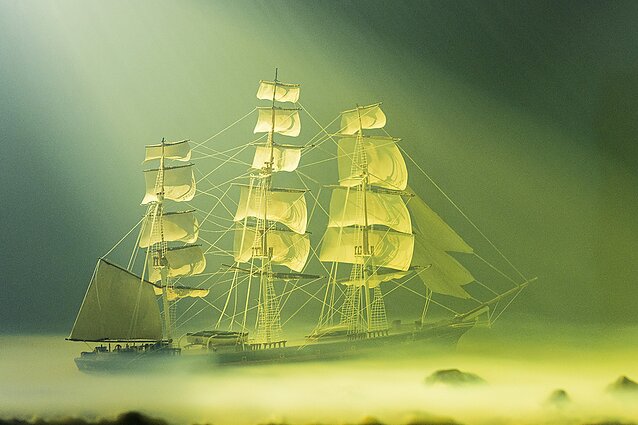
This thematic journey also weaves in scientific advancements from the turn of the last century, like new inventions for observing distant planets, a scientific curiosity that deeply fascinated Čiurlionis and is evident in his astronomical compositions.
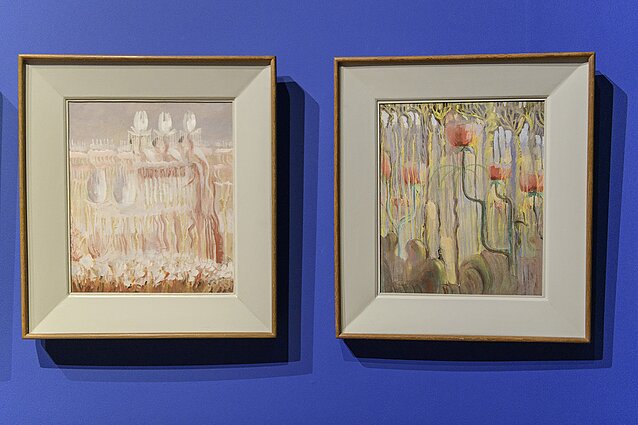
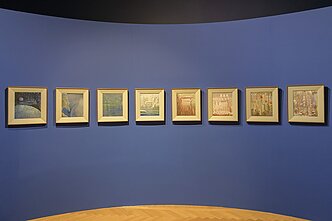
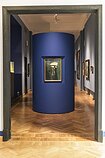
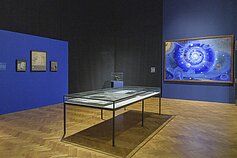
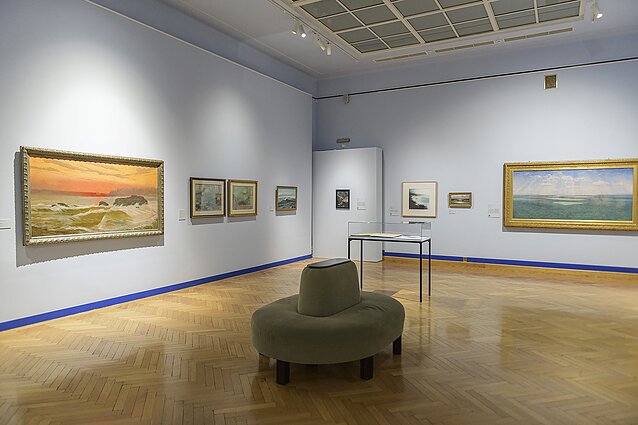
The exhibition thoughtfully distinguishes Čiurlionis’s original works, set against darker blue backgrounds, from the lighter tones used for connected pieces by his contemporaries and modern artists, creating a visual flow through time and influence.
The exhibition masterfully places Čiurlionis’s work within a broader artistic conversation. While pieces by his teachers are on display, it’s visibly clear the student dramatically surpassed his mentors.
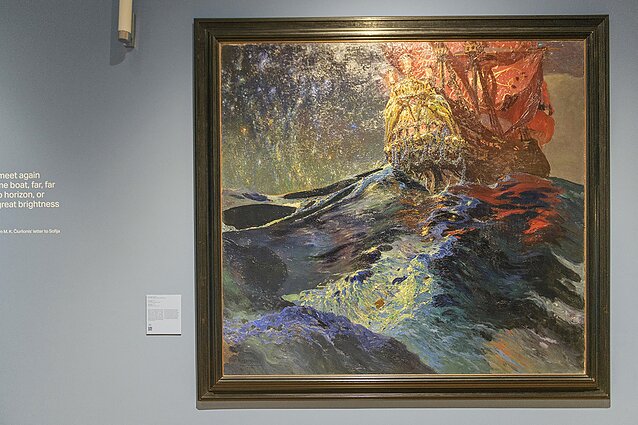
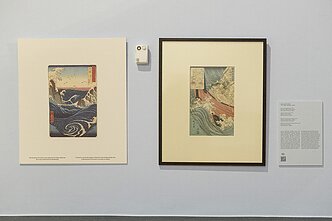
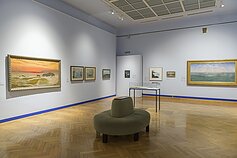
More intriguing is the exploration of Čiurlionis's link to contemporary artists from his own time or slightly later. Though his mysticism often felt disconnected from prevailing Impressionist movements, with only Pointillism approaching his style late in life, a fascinating dialogue emerges. His own ethereal sea paintings, for instance, born from his time in Palanga by the Baltic Sea, are displayed alongside the more factual, almost timeless Dutch-style landscapes of other painters who worked there concurrently. This powerful juxtaposition highlights how Čiurlionis’s mind operated on a very different, far more mystical level.
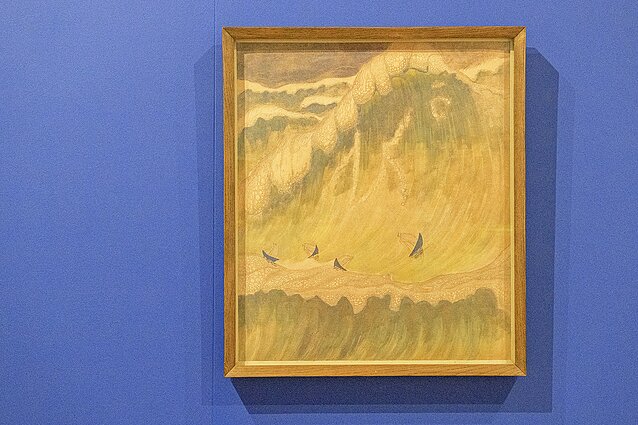
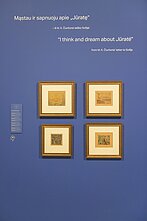
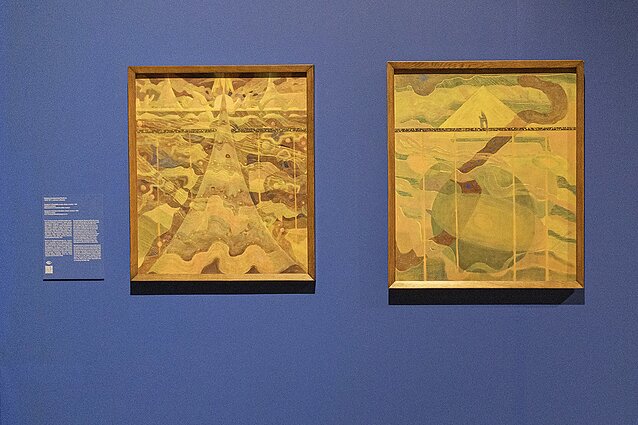
A cornerstone of Čiurlionis’s unique approach was his series of paintings, often presented in fours, which he explicitly titled “Sonatas”, aligning them with the movements of musical sonatas. This deep connection between his visual and auditory worlds is a recurring marvel.
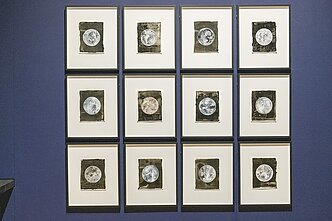
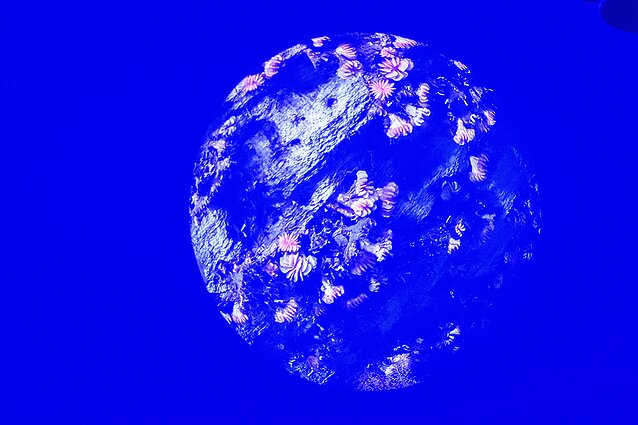
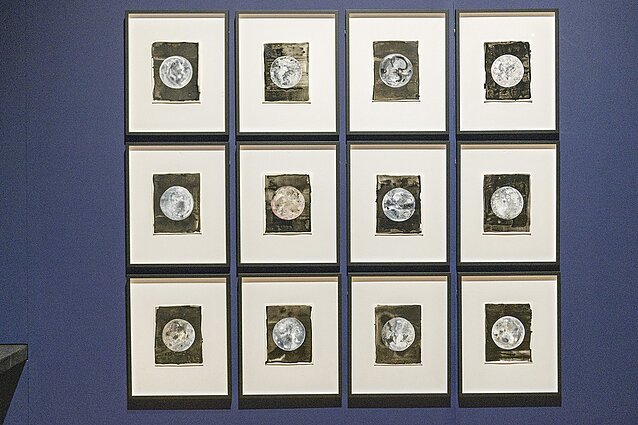
The exhibition further enhances this interconnectedness with a specially conceived work by a contemporary British artist depicting the 12 full moon phases during Čiurlionis’s birth year – a subtle yet profound nod to the cosmic inspiration that permeated his art.
Čiurlionis, arguably Lithuania’s most celebrated and best-known artist, possessed diverse talents. Beyond his musical compositions and painting, he also embraced the nascent art of photography. The exhibition further highlights his famously prolific, yet tragically short life, which ended far too early, likely from exhaustion.
His final work, Ship, completed in the asylum where he lived in 1909–10, is on display, revealing a new direction towards Pointillism. This piece is powerfully contrasted by a contemporary work that takes Pointillism to a startling new reality, crafted by punching holes with the residue left at the bottom of the framed work.
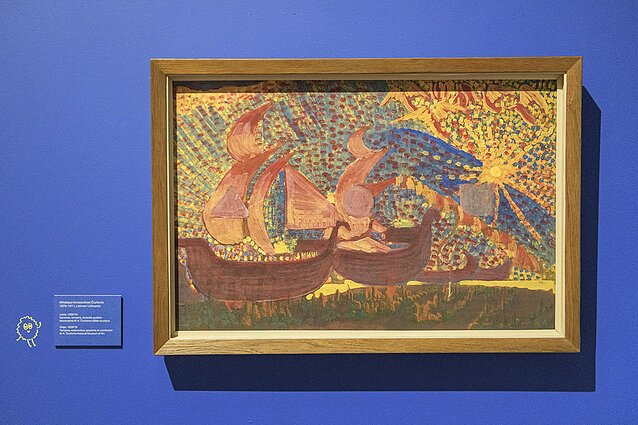
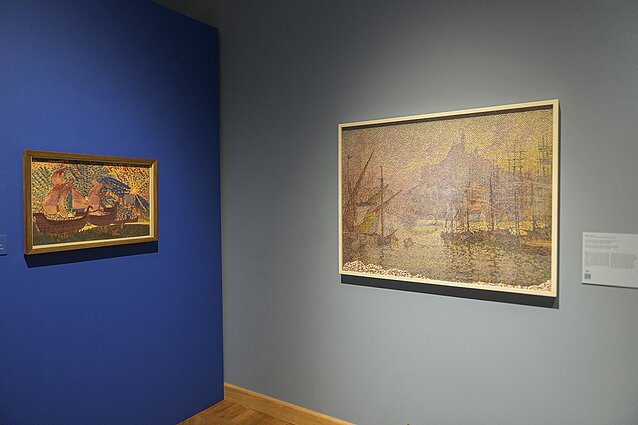
The journey culminates in a breathtaking final room featuring thirteen equally sized paintings where Čiurlionis depicts the creation of the world in a vibrant, fantastical, and richly imaginative way. These stunning works, bursting with colour and profound themes, often contrast with the dreamier, pastel tones and harmonious formats of his other pieces, like the “Sonatas”.
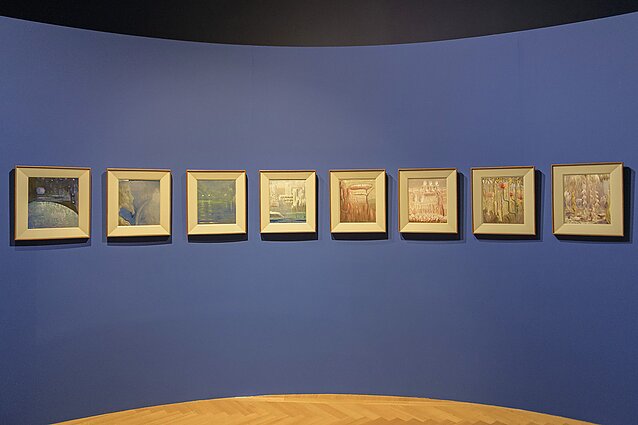
The exhibition’s title profoundly resonates with the Lithuanian connection between amber and the sea, a beloved pastime. This concept of the unknowable, and humanity’s yearning to grasp the infinite, fuels artists, just as Čiurlionis’s key themes of sea and cosmos continue to resonate globally, making a trip to see this profound exhibition in Kaunas an unmissable experience for any art lover.

Newsletter
Every Friday morning.