















LRT.lt presents a list of the most dangerous diseases and conditions caused by animal bites, stings or tick bites.
1. Lyme disease
Lyme disease holds the record for the highest number of animal-borne disease cases in Lithuania. According to the National Public Health Centre (NVSC), as many as 15,254 people were infected last year with Borrelia bacteria, which causes Lyme disease.
The surge in cases is alarming: two years ago, there were five times fewer infections, with only 2,896 cases reported.
Unlike tick-borne encephalitis, there is no vaccine for Lyme disease. Immunity does not develop even after recovery, meaning a person can be infected multiple times with Borrelia and repeatedly develop Lyme disease. Not all individuals infected with Borrelia necessarily develop the disease.
The good news is that, at least last year, no deaths from Lyme disease were recorded. According to NVSC entomologist Milda Žygutienė, early detection and removal of a tick is critical.
“Tick-borne encephalitis is transmitted very quickly – almost immediately after the tick bites and wets the wound with its saliva, which carries the virus. Lyme disease, however, can be avoided if the tick is removed within 24 hours, or even later. The Borrelia bacteria live in the tick’s midgut, and it takes time for them to enter the human bloodstream,” the entomologist advises, urging people to carefully check their bodies after spending time in nature.

She emphasises that Lyme disease, like encephalitis, can be transmitted by ticks at all life stages: larvae, nymphs and adults. The smallest stage, the larva, is about the size of a poppy seed and is very difficult to spot with the naked eye – removing it is equally challenging.
Žygutienė also debunks the myth that Lyme disease always presents with redness or the hallmark bullseye rash, known as erythema migrans.
“This symptom doesn’t always appear. There are different types of Borrelia, and one of them does not manifest with visible skin signs,” she warns.
The only way to reduce the risk of tick bites is by using repellents and wearing protective clothing. When heading into nature, it’s recommended to wear long-sleeved clothing that fits snugly around the wrists. Pants should be tucked into socks or boots. The head should be covered with a scarf or a well-fitting hat.
“I’ve seen people foraging in the forest in shorts and slippers,” the tick expert says, highlighting irresponsible behaviour.
Those with symptomatic Lyme disease are effectively treated with antibiotics, except for patients in the late stages of the disease.
2. Tick-borne encephalitis
Significantly fewer cases of this tick-borne viral disease were reported last year compared to Lyme disease – a total of 807. However, tick-borne encephalitis claimed the most lives of all the animal-borne diseases.
Eleven people died from this severe illness last year alone, while some of those infected were left with permanent disabilities. According to the NVSC, about one-third of those who recover from the disease do not fully regain their health. Common long-term effects include difficulty concentrating, sleep disturbances, chronic headaches, increased sensitivity, and behavioural changes. Paralysis is less common.
The only effective way to protect against tick-borne encephalitis is vaccination.

3. Echinococcosis
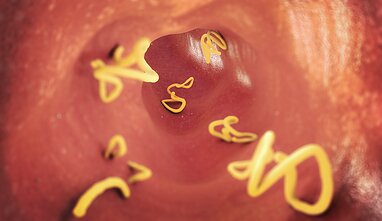
Cases of this serious parasitic disease, caused by the dog tapeworm Echinococcus, are steadily rising each year. The disease, which most commonly affects the liver, was diagnosed in 158 people last year. Two of them died, and one young man required a liver transplant.
Protection against the parasite – mainly spread by foxes – is challenging. Foxes scatter feces containing hundreds of eggs throughout the environment. Eating an unwashed wild strawberry, blueberry or other forest berry close to the ground can easily lead to infection if the fruit is contaminated. The eggs, invisible to the naked eye, can also be ingested by petting a dog and failing to wash your hands afterward.
Once swallowed, the parasite’s eggs are usually carried by the bloodstream to the liver, less often to the lungs or other organs, where the larva begins to grow. It can survive in the human body for up to ten years.
The disease typically begins without symptoms, and this latent phase can last for years. Eventually, cysts and other damaging growths develop in affected organs. Treatment involves lengthy surgery and medication.
There are no preventive medications that destroy the eggs of the dog tapeworm.

4. Anaphylactic shock from insect stings
According to the Health Information Centre, 81 people were diagnosed last year with life-threatening anaphylactic shock triggered by an insect sting. One person died.
For most people, a sting from a wasp, bee or other stinging insect causes redness, itching, pain and swelling that subsides with a cold compress.
However, if swelling spreads deeper, affecting the lips, eyes or throat; if a person has difficulty breathing, starts vomiting, experiences chills or a drop in blood pressure – emergency medical attention is urgently needed.
Anaphylaxis is extremely dangerous and can be fatal.
People with a history of anaphylactic reactions are prescribed an emergency treatment – an adrenaline auto-injector. This device, pre-filled with an adrenaline solution, must be carried at all times during the warmer months.

5. Poisoning from a viper bite
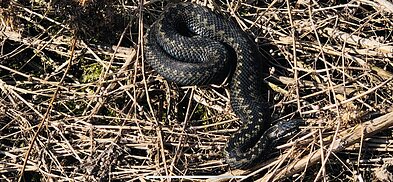
The common European viper is the only venomous snake in Lithuania. Last year, 55 people were treated for viper bites, including 20 children. Seventeen people were hospitalised due to toxic effects, while 38 received outpatient care, according to the Pharmacovigilance and Poison Information Division of the State Medicines Control Agency.
Although viper venom is not fatal – no deaths have been recorded in Lithuania – it can cause intense pain and swelling. In rare cases, general symptoms of poisoning may appear within hours of a bite, including dizziness, weakness, nausea, vomiting, diarrhea, tachycardia, increased sweating and shortness of breath.
In all cases of snakebite, medical attention is recommended.

Newsletter
Every Friday morning.