














More than 20 years after the brutal killing of the French actress Marie Trintignant in Vilnius, a new Netflix documentary, From Rock Star to Killer (De rockstar à tueur: le cas Cantat), is reigniting debate over domestic violence and how society perceives both victims and perpetrators.
The three-part series traces the whirlwind romance and fatal end of Trintignant’s relationship with French rock star Bertrand Cantat. It paints a disturbing picture of control, violence and impunity, beginning with their first encounter and culminating in the 2003 incident that led to her death at age 41.
From passion to tragedy
Trintignant, in Vilnius to film the biopic Colette, was staying in a hotel with Cantat when the assault occurred. According to court records and Cantat’s testimony featured in the documentary, the fatal altercation stemmed from jealousy. He claimed the actress struck him first during an argument over a message she received from her ex-husband. He admitted to hitting her several times and pushing her, causing her to fall and hit her head.
However, a forensic expert interviewed in the documentary disputes the account. The autopsy revealed numerous injuries – about 20 blows to the head, a broken nose, and facial trauma suggesting extreme violence. “Her neck seemed to have been pinned to the ground with a foot,” the expert said, dismissing Cantat’s version as implausible.
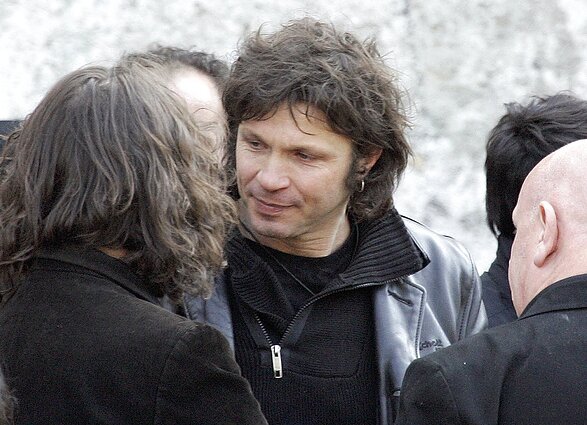
Trintignant never regained consciousness and was transported to France, where she died on August 1, 2003.
Divided nation, silenced victim
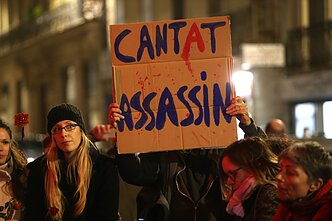
Only Cantat’s version was heard in court – Trintignant, the sole other witness, was silenced by death. Yet, despite the brutality of the crime, public opinion in France was sharply divided. While many condemned Cantat, a significant portion of the public – including celebrities and media figures – defended him, portraying him as a man provoked into violence by a volatile partner.
Some went so far as to use Trintignant’s personal life as justification. Her having four sons by different fathers was cited as evidence of a “complicated nature”, a victim-blaming narrative dissected by journalists Anne-Sophie Jahn and Michelle Fines in the series.
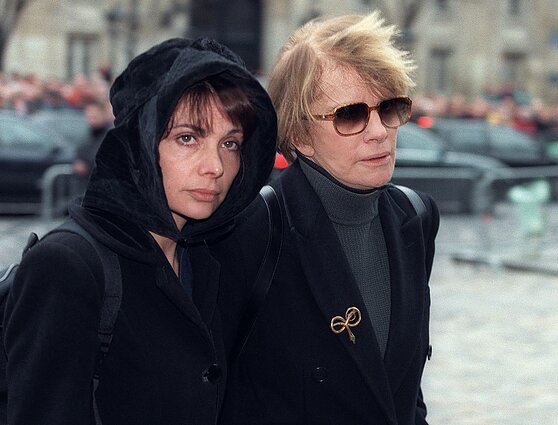
Four years for a life
Cantat was sentenced to eight years in prison but served only four for good behaviour. The leniency sparked outrage. The documentary raises critical questions about how domestic violence is judged, particularly crimes labelled as “crimes of passion”. In Lithuania at the time, such classification could halve a sentence.
“Crimes of passion became a way to excuse the perpetrator,” said singer Lio, a close friend of Trintignant, who publicly defended her in the aftermath. “No one kills out of love. Marie’s face looked like she had been hit by a motorcycle going 120 km/h.”
A pattern of abuse
The Netflix series also delves into Cantat’s past, uncovering a history of violence that was largely hidden. Despite testifying during his trial that Cantat had never abused her, his ex-wife, Kristina Rady, later reportedly told her mother he had been violent and had threatened suicide if she ever left France with their children.
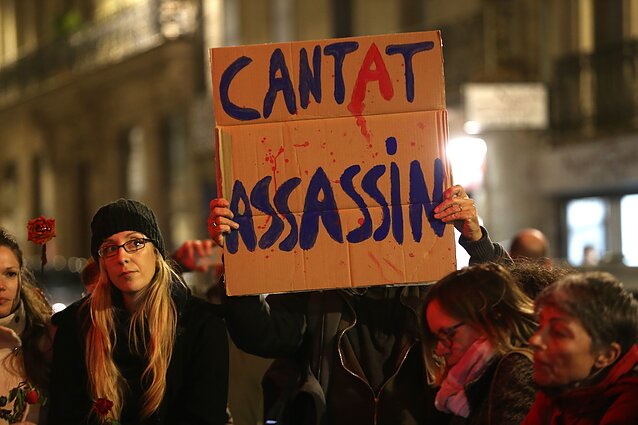
In 2010, Rady died by suicide. Her death was ruled not connected to Cantat, but a whistleblower claims to have found medical documents showing repeated abuse. Rady had declined to press charges at the time, fearing the impact on their children.
The documentary also reveals that Cantat had previously assaulted at least two other women, a fact concealed with the help of his bandmates in Noir Désir to protect their careers.
Celebrity shield and media image
While he was serving his sentence, Cantat’s team worked to rehabilitate his public image. The media portrayed him as a “model prisoner” and his post-prison return to music was met with sold-out concerts and renewed fan support. Even after details of his crime emerged, a portion of the public chose to view him as a tragic figure.
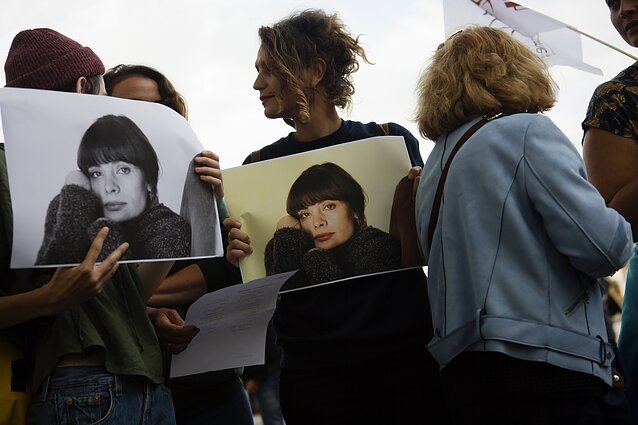
The series scrutinises this dynamic, questioning how celebrity status can shield perpetrators and silence victims. “Society often offers redemption to powerful men before justice to their victims,” one expert remarks in the final episode.
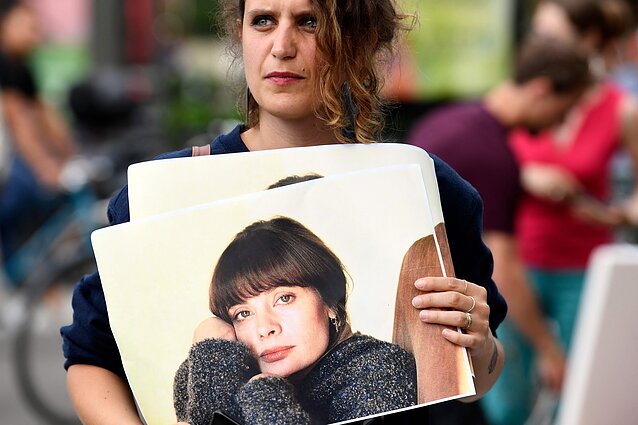
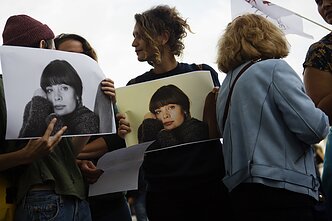
Trintignant has since become a symbol of the fight against domestic violence in France. Her story, re-examined in From Rock Star to Killer, serves as a harrowing reminder of the societal blind spots that allow abuse to persist.
As conversations around gender-based violence evolve, the documentary urges viewers to ask: Are we truly holding abusers accountable? And what does justice really look like for those whose voices are taken forever?


Newsletter
Every Friday morning.