














Lithuania, Latvia, and Estonia are due to disconnect from the Russian electricity system BRELL on February 9. As the day approaches, the Baltic countries must prepare for possible incidents and sabotage, experts and politicians warn.
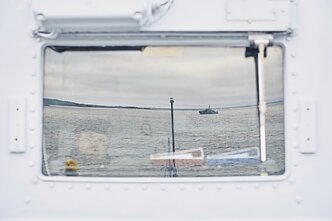
Lithuania is strengthening the protection of its key energy facilities, which will now be guarded by the Public Security Service instead of private companies. NATO ships are also starting a mission in the Baltic Sea, patrolling ships that could damage power and communications cables.
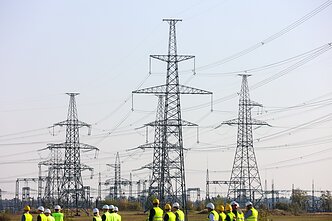
The LitPol Link power interconnection with Poland, through which the Baltic grids will synchronise with the Continental European network, will also be protected by the Public Security Service.
“All possible versions of certain sabotage and disruptions are being assessed, ranging from cyber security to certain physical actions. The Public Security Service, which has the most experience in the protection of such critical facilities, is being used for this purpose,” said Prime Minister Gintautas Paluckas.
On February 8, Lithuania, Latvia, and Estonia will carry out the only joint isolated test, after which there will be no return to the BRELL system. The prime minister has warned of attempts to disrupt this process.
According to Giedrim Jeglinskas, head of the parliamentary National Security and Defence Committee (NSGK), Lithuania is ready to repel attacks and protect key facilities.
“What we have heard from our naval forces and border guards is that the capabilities are there, people are trained, sufficient resources are provided, and there is cooperation between security institutions. This is optimistic, but of course, every event in the future will show how effective it is,” Jeglinskas explained.

Lithuania has electricity and communications cables in the Baltic Sea. As the sea is shallow and the cables are elevated off the bottom, they are easy to damage, Jeglinskas said.
“This is critical infrastructure, which is needed for the daily activities of the Lithuanian population,” the NSGK chair noted.
According to Darius Jauniškis, head of the State Security Department (VSD), Lithuania’s critical infrastructure in the Baltic Sea is well protected. But Russia is ready to carry out subversion.
“These are kinetic operations, which are strongly prevalent at the moment. All these cases of damage to critical infrastructure, which should be very strongly addressed, are another tool that can be used against EU countries, against NATO countries,” Jauniškis said.
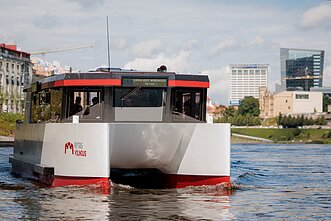
According to the head of the State Border Guard Service (VSAT), Rustamas Liubajevas, the monitoring of the sea border is already reinforced. So far, no suspicious manoeuvres of vessels near strategic objects have been detected.
“The legislation gives our service a number of powers, including stopping a vessel if it is not a military vessel or a non-commercial vessel of another state, as well as disembarkation and other actions,” Liubajevas explained.
Former Defence Minister Laurynas Kasčiūnas stressed that the biggest problem is the so-called Russia’s “shadow fleet”. One such oil tanker – Eagle S – is suspected of damaging the electricity link between Finland and Estonia over Christmas.
According to Kasčiūnas, since January, ships that could pose a threat to maritime infrastructure have been monitored in the Baltic Sea.
“NATO is launching an enhanced vigilance initiative, I would call it the NATO Maritime Police, which is slowly starting to patrol, monitor, and deter ships entering the risk zone,” he said.

Former Prime Minister Ingrida Šimonytė believes that economic sanctions remain the most effective tool to combat Russia’s “shadow fleet”.
“The shadow fleet is old, there are difficulties in manning it in terms of competence and other aspects. The number of such incidents is at risk of increasing because Russia does not hide its efforts to expand the shadow fleet,” she said.
The US has announced new sanctions on Russia’s oil sector, with officials in President Joe Biden’s administration calling the new package of restrictions the most significant ever imposed on Russian energy.
According to the US administration, the new sanctions target two major Russian oil companies and an “unprecedented” number – 183 – of tankers exporting Russian oil.

Newsletter
Every Friday morning.