













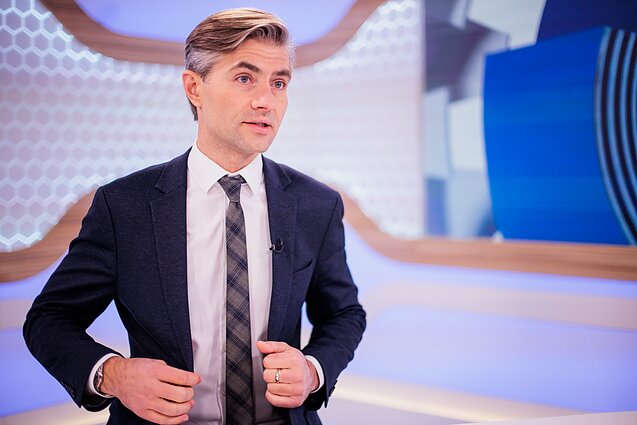
Lithuania should have made the decision to introduce universal military conscription last year, Kęstutis Budrys, President Gitanas Nausėda’s chief national security advisor, said on Monday, adding that it is too late to discuss it now.
“As far as universal conscription is concerned, we missed the right time. We could have made decisions last year, as we did in 2014 when we reintroduced (partial) conscription, and in the spring of 2015, we already had the first draft, relying solely on young men who enlisted voluntarily,” Budrys told LRT TV.
“In the same way, if we had taken the decision in 2022, we would have already had a result – not necessarily this year because we would have needed more preparation – but we would have already done our homework. Especially since we have done so many studies, measured and calculated everything,” he added.
Lithuania’s draft conscription reform currently under discussion does not provide either for universal draft for men or compulsory military service for women.
“Talking now about preparing to discuss how to fix the current system, which has flaws because we fail to draft (enough conscripts), is not entirely adequate for the current situation,” Budrys said.
“We have to talk about the model we want to achieve rather than looking at what is not working in the current one because […] the forces are not sufficiently manned, and we fail to call up as many conscripts as we should. We need to conclude this issue,” he added.
Lithuania reintroduced partial military conscription in the spring of 2015 amid security concerns following Russia’s annexation of Crimea. Up to 4,000 conscripts are called up for mandatory military service annually.
Last summer, the Defence Ministry proposed to reform conscription to make it more flexible and increase the annual number of draftees to around 5,000.
President Nausėda, the ruling conservatives, and some other politicians are calling for universal conscription, but the idea does not enjoy broad support.
Supporters of universal conscription say it would increase the number of citizens ready to take up arms to defend the country and would reduce inequality, but critics argue that it makes more sense to invest in modernising the professional armed forces.

Newsletter
Every Friday morning.