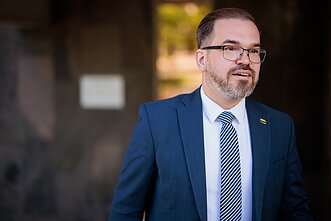












Lithuania’s withdrawal from the Convention on Cluster Munitions would raise questions in the international arena, Frederikas Jansonas, senior adviser to the Lithuanian president, has said.
“Such withdrawal would be very complicated, and it would raise a lot of questions in the international arena,” he told Žinių radio on Tuesday.
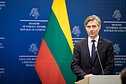
Defence Minister Arvydas Anušauskas said over the weekend he hopes Lithuania will withdraw from the convention that prohibits the use, transfer, and production of cluster munitions in order to “acquire and use” them.
“On the other hand, we need to consider everything. Lithuania is what we have to defend. We will need cluster weapons; we will need some other weapons. We have to see our country,” Jansonas added.
Lithuania joined the Convention on Cluster Munitions in 2011.
A cluster munition is a form of air-dropped or ground-launched explosive weapon that releases or ejects smaller submunitions. Because cluster munitions release many small bomblets over a wide area, they pose risks to civilians.
In mid-July, the United States handed over cluster munitions, banned in many countries, to Ukraine, which is defending itself against Russian aggression.
Further reading
Waiting for minister’s initiative
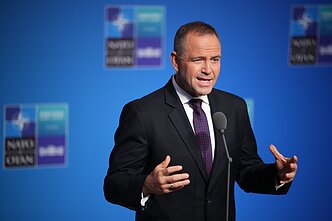
Meanwhile, Laurynas Kasčiūnas, chair of the Parliamentary Committee on National Security and Defence (NSGK), said he supports the defence minister’s position and is waiting for his initiative to implement the withdrawal from the Convention on Cluster Munitions.
“This is necessary as we need to keep all the elements of combat power. In simple terms, the Russians can use them, and we cannot use them. This is completely absurd, given the enemy and its principles of warfare,” Kasčiūnas told BNS.
According to him, the security situation was different in 2011 when Lithuania ratified the convention.
“This is an example of how sometimes we are in the wrong direction. 2011 may have been a slightly different period, but even then, I had my doubts about this decision,” he said.

Newsletter
Every Friday morning.