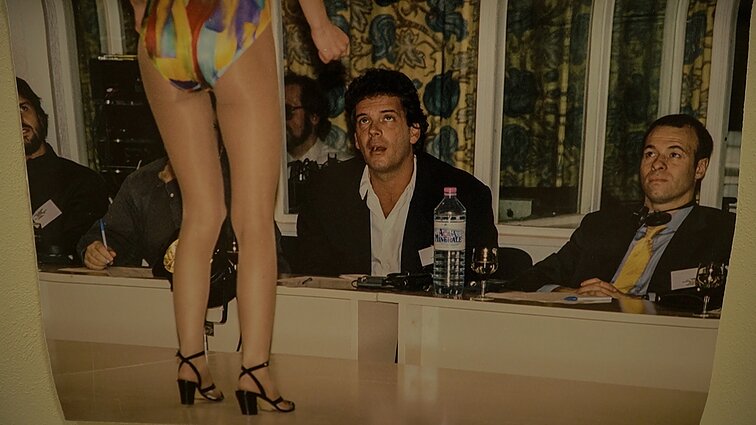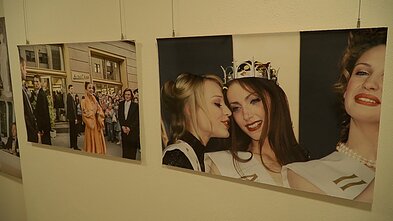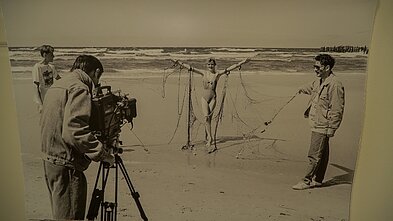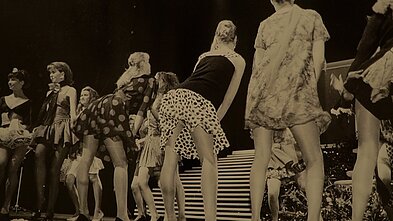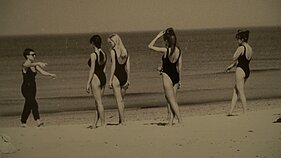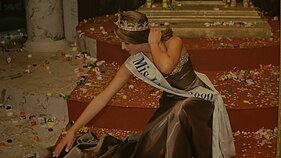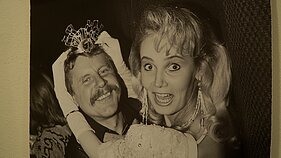







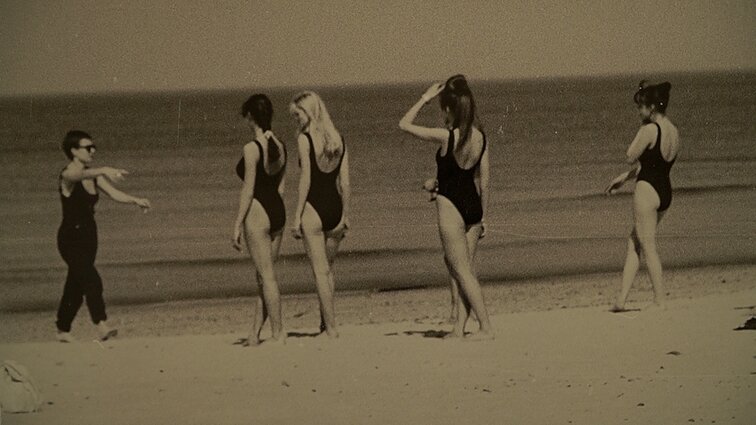
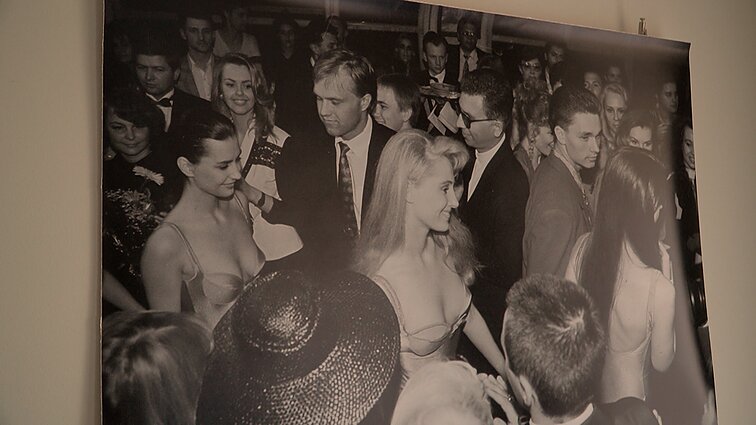
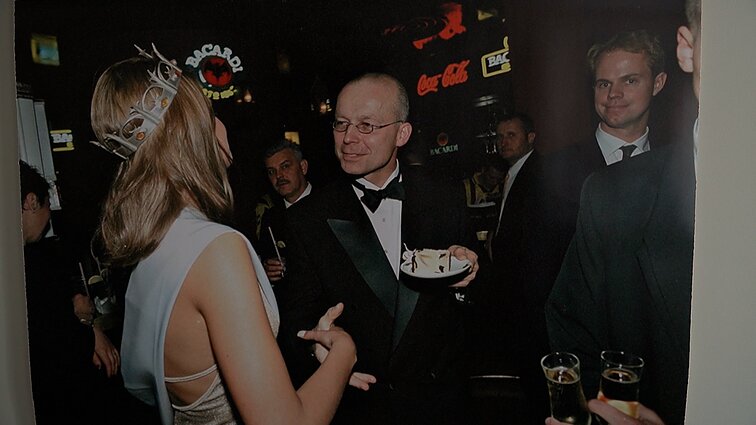
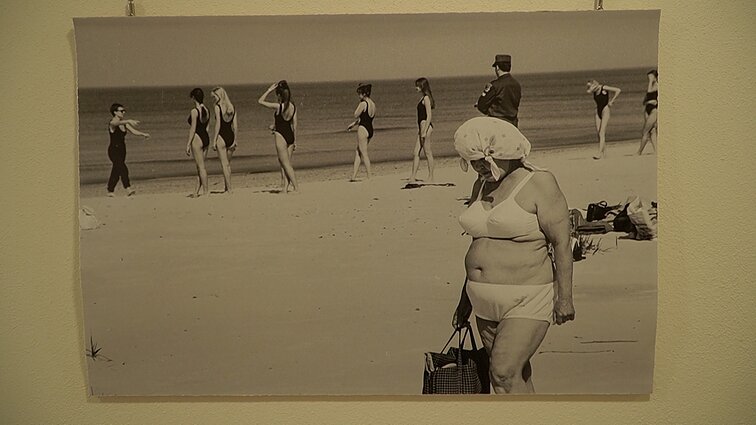
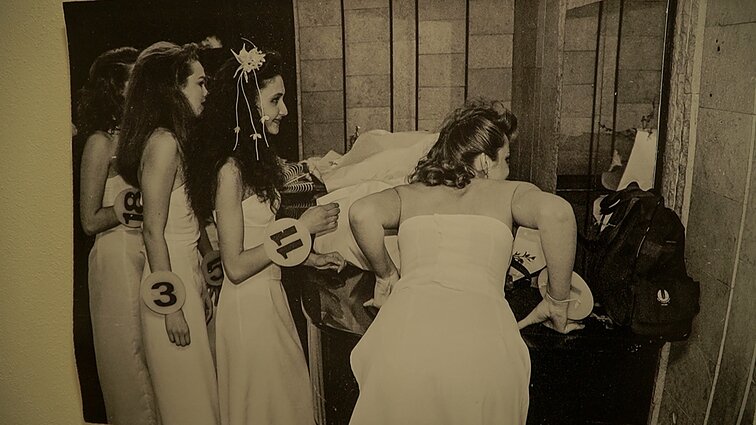
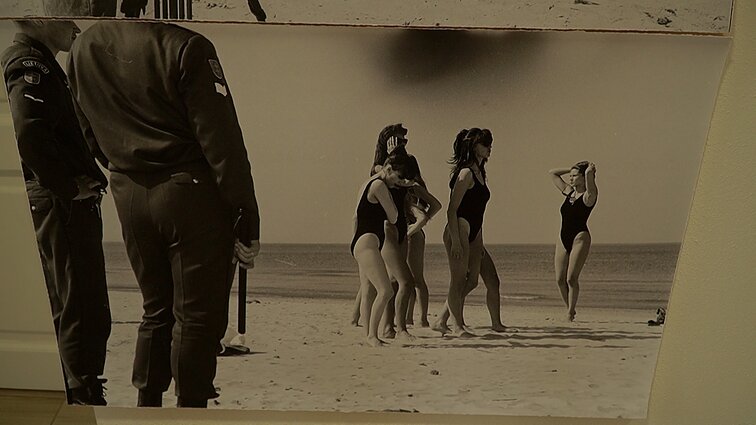
When the Iron Curtain fell, Lithuanians dove into capitalism and its unfamiliar cultural forms, some of them exciting and baffling in equal measure. Early beauty pageants, documented in a photo exhibition, show these early attempts to navigate a brave new world.
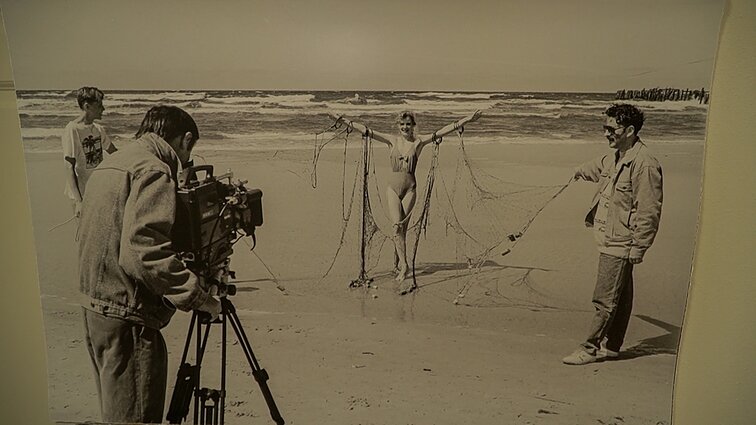
In the early 1990s, Jonas Staselis was a photographer working for the Lietuvos Rytas, at the time the country’s biggest daily newspaper. Among his assignments was photographing beauty pageants.
His photos taken between 1992 and 2000 now offer a window into an era of freedom, but also confusion and slight embarrassment.
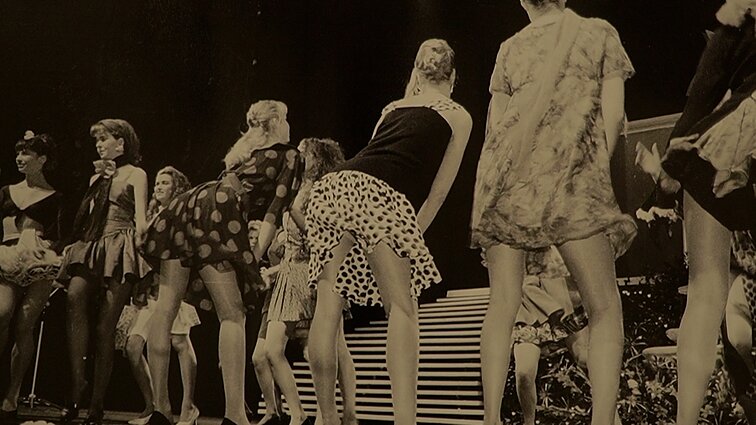
“People come to the exhibition and, I’m glad to say, they don’t talk just about the beauty pageants, but about the time they lived through. They used to watch these beauty contests like we watch Eurovision today. And people share their memories, recollect their moods, their states of mind,” says Staselis.
The exhibition, entitled Masquarade, is hosted at a manor house in the village of Antazavė, about a hundred kilometres north of Vilnius.
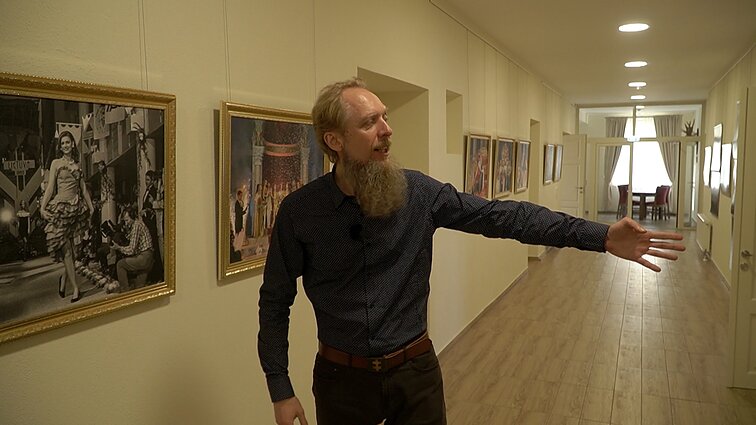
Staselis himself meets the visitors of the exhibition – and begins the story with a plastic bag.
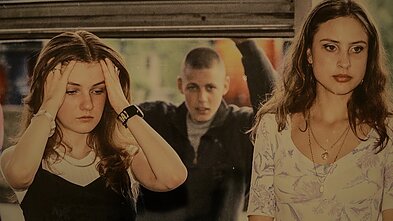
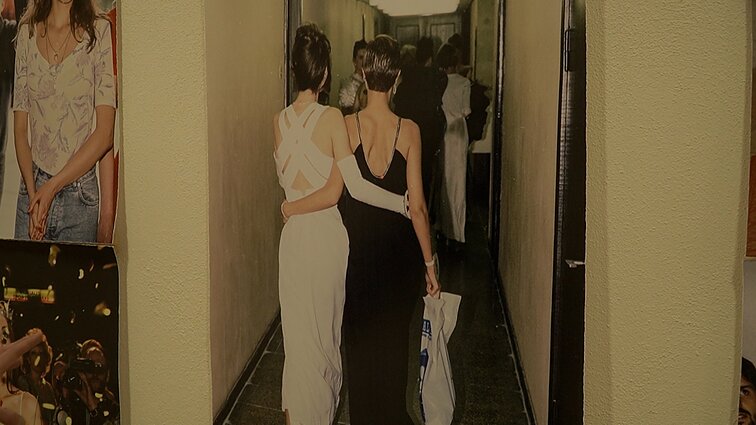
“When people come to the exhibition, I basically invite them to look at it as an emotion, a mood, a feeling of a time gone by. And I’d only take them to a few photographs: two girls walking down the corridor of the Sports Palace. There’s this detail, a plastic bag. Before [Lithuania’s] independence, it would have been a rarity, and photography has the ability to preserve signs of the times,” he says.
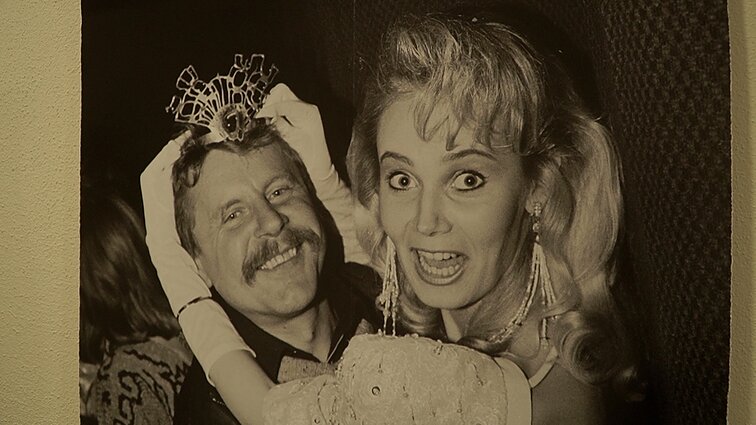
Beauty pageants were incredibly popular with Lithuanians in the 1990s, but now seem almost embarrassing. Looking at the photos today, says Staselis, we can see how much we have changed.

"As [philosopher] Liutauras Degėsys said at one of the openings of the exhibition, we were gifted our independence, but then we had to learn and build our idea of what democracy and freedom were. And we did it with the means we had. That was our understanding at the time,” says Staselis.







Newsletter
Every Friday morning.