












Lithuanian MPs on Tuesday voted to extend the existing state of emergency until March 17.
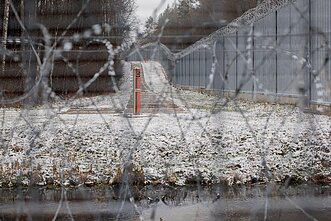
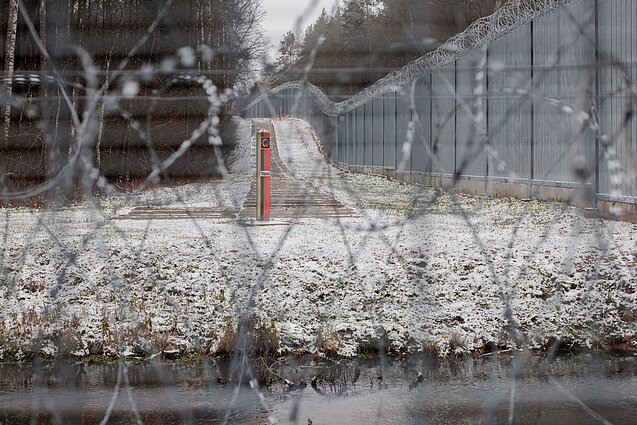
The state of emergency will remain in Lithuania’s border regions along the state border with Belarus, with Russia’s Kaliningrad and at border checkpoints inside Lithuania’s territory.
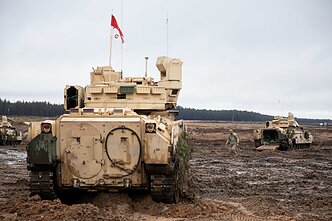
“The state of emergency is imposed due to the unprecedented build-up of Russian and Belarusian forces as they are carrying out military aggression against neighbouring Ukraine and have created a humanitarian and refugee crisis,” the document reads.
It also states that Russia’s aggression threatens the security of NATO, EU member states and other European countries, and poses a threat to Lithuania’s national security.
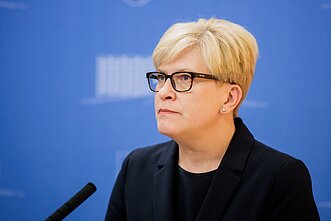
Prime Minister Ingrida Šimonytė says the situation in Lithuania’s neighbourhood has not changed since the state of emergency was introduced last February.
“We are proposing to extend the [state of emergency] because nothing has changed, nothing has improved. It has only worsened as additional Russian forces emerged in Belarus, and there’s certainly no reason to say that the security situation has somehow improved,” she said.

The state of emergency will allow the government to maintain an entry ban for most Russian citizens.
Under an agreement among the three Baltic countries and Poland, only Russian diplomats, dissidents, employees of transport companies, family members of EU citizens, and Russian citizens with residence permits or long-stay national visas from Schengen countries have been allowed to cross the EU external border since September.
Russian citizens can also transit through Lithuania by train to and from Kaliningrad.
There’s no proposal yet to apply the same restrictions to Belarusian nationals.
The government also suggests keeping in place the policy of pushing back irregular migrants trying or having crossed Lithuania’s border at non-designated places. This would not apply to people fleeing military aggression or persecution, the government insists.
More than 50 opposition MPs have proposed to set up a special state of emergency control commission. Earlier, such an initiative was rejected by the parliament.
The state of emergency was introduced nationwide on February 24 after Russia launched its war against Ukraine, and it has since been extended twice. It was then limited to border areas and border checkpoints.
A separate state of emergency was declared on the border with Belarus in November 2021 due to an uptick in irregular migration. It was in place until mid-January.

Newsletter
Every Friday morning.