



With Russia pressing on with its invasion of Ukraine, the Lithuanian parliament has extended the state of emergency in the country until April 21.
The Seimas adopted the decision with 71 votes in favour, 3 votes against, and 43 abstentions.
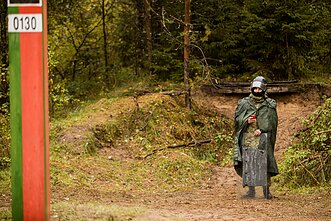
During the period, Lithuania will step up protection of its borders and strategic facilities. The state of emergency also allows the government to block all media outlets controlled by Russia and Belarus. The decision also provides for a possibility to restrict the activities of Lithuanian media outlets.
Opposition MPs have called the measures excessive, unreasonable and too restrictive on the constitutional rights of the country’s citizens.
“What we restrict are not citizens’ rights but the rights of propagandists to spread lies about Putin’s war on Ukraine in Lithuania,” Prime Minister Ingrida Šimonytė countered the criticism.

As Russia unleashed its invasion of Ukraine, Lithuania was placed under a state of emergency from 13:00 on February 24 through March 10. Once it expires, the new decision adopted by the Seimas will come into effect immediately.
The state of emergency bans, with some minor exceptions, rebroadcasts of any programs produced by organisations controlled or funded by Russia and Belarus.
It also provides for a possibility to restrict the activities of Lithuanian media outlets, if they spread disinformation or war propaganda, are deemed to incite war or call to breach Lithuania’s sovereignty.
Under the state of emergency, there is also a ban on assemblies “aimed at supporting, in any form or scope, the actions of the Russian Federation and/or the Republic of Belarus” in Ukraine.
Moreover, the decision includes a ban to take pictures, film or otherwise record, collect information about companies, installations and assets that are part of the energy sector and are important for national security as well as about the movement of military equipment of Lithuania and its allies.
With the state of emergency in force, the government is allowed to use the state reserve for accepting war refugees, providing assistance to Ukraine.
The state of emergency also implies increased protections for facilities important for national security and the state border, tightened visa regime for foreigners and the suspension of acceptance of visa applications from the citizens of Russia and Belarus.

Newsletter
Every Friday morning.