










As Lithuanian companies are severing ties with Russia, out of solidarity with Ukraine or for pragmatic considerations, the effects will be felt by some sectors more than by others.
A slew of international brands have announced they are stopping business in Russia following Vladimir Putin’s invasion of Ukraine. Sweden’s Ikea and H&M, Apple, Denmark’s Maersk, Germany’s Volkswagen and BMW, and many more have joined the boycott.
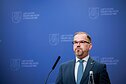
“Every day the list gets longer, very many companies are unilaterally, if you will, imposing sanctions and withdrawing from Russia,” Nerijus Mačiulis, chief economist at Swedbank, comments to LRT TV. Some, he adds, are simply abandoning their investments in Russia.
The biggest Lithuanian investment in Russia is a food processing plant in Kaliningrad owned by Vičiūnai Group. It employs some 2,000 people and the company, which also owns facilities in Ukraine.
Vičiūnai Group has attracted particular attention in Lithuania because it is owned by Kaunas Mayor Visvaldas Matijošaitis, who was initially reluctant to commit to withdrawing from Russia. Only on Monday night did the company announce that it would.

Arūnas Laurinaitis, chairman of the Lithuania-Russia Business Council, says companies with investments in production facilities are in a more difficult position, since they cannot unload those investments very fast. Moreover, as Russia has raised barriers for capital leaving the country, it could be impossible.
In all, there are estimated 250 Lithuanian companies with operations in Russia. The number went down significantly after Russia’s annexation of Crimea in 2014.
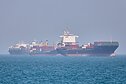
However, Lithuania maintained relatively active trade links with its big neighbour. According to Statistics Lithuania, trade with Russia amounted to over 8 billion euros last year. Most of it, however, consisted in re-exports rather than trade in Lithuanian-made goods.
“Re-exports, or transit goods, are serviced by Lithuania’s logistics sector. This means that Lithuanian carriers will have to look for new markets,” says economist Aleksandras Izgorodinas.

Although Russia was Lithuania’s number one destination for re-exports, the losses could be compensated for by markets in the European Union, he adds.
Meanwhile, Lithuanian producers will be less exposed to losses, according to Izgorodinas, since only 2 percent of exports to Russia consist of Lithuanian-made goods.
“Exports of Lithuanian-made goods amounted to about 600 million euros [last year]. For comparison, our exports to Germany, our biggest export market, were worth 1.8 billion,” he adds.
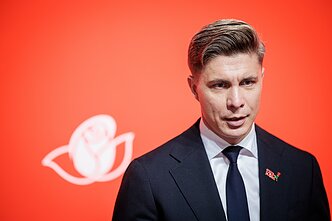
Mačiulis, of Swedbank, estimates that severing trade with Russia could shave 2 points off Lithuania’s GDP growth.
“Some companies will be affected, but macroeconomic effects would be small. If we’re talking about a 2-point slower growth, I think this is a small price to pay to stop the Kremlin’s military aggression,” he says.
Meanwhile, Russian imports in Lithuania mostly consist of oil, as well as iron, steel, aluminum, fertilisers, timber, plastics, salt.
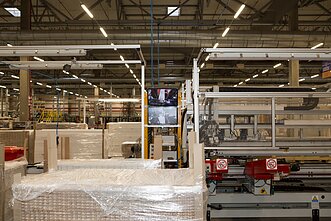
Importers say they could find alternative sources, but at a higher price. Furniture makers have said that some of their materials could become twice more costly. Deliveries have stopped not only from Russia, but also from Belarus and Ukraine.

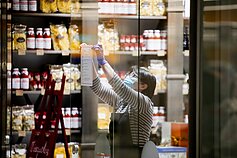
A number of Lithuanian retailers have announced they will no longer be selling Russian-made products.
“We are not placing any new orders. We cannot do business with a country that is killing people in another country,” says Dainius Dundulis, owner of the Norfa supermarket chain.
Even those that do not make the decision themselves may find it impossible to pay their Russian suppliers, as Lithuania’s central bank is planning to impose restrictions on financial transactions.
“The Bank of Lithuania is operating the CENTROlink payment system that includes 160 payment institutions and other users. In view of the situation, we have made a decision that we do not want to see any payments to Russia via this system which is the Bank of Lithuania’s service to providers of payment services,” says Marius Jurgilas, board member of the Bank of Lithuania. “We have issued a recommendation for system users to terminate payments.”
The central bank will not allow its system to be used to make payments to Russian citizens, companies in Russia and companies owned by Russian citizens or entities. There may be around 1,600 Russian-owned companies in Lithuania.

Newsletter
Every Friday morning.