











With escalating tensions on Russia’s border with Ukraine and threats of sanctions from Belarus, the Lithuanian government says it is prepared for various scenarios, including a gas blockade.
According to Energy Minister Dainius Kreivys, Lithuania’s energy security is guaranteed by the liquefied natural gas (LNG) terminal in Klaipėda. It currently meets more than 60 percent of the country‘s gas needs.
The US gas carrier, which is currently near the Bahamas, is due to arrive in Klaipėda next Wednesday. The cargo includes around 140,000 cubic metres of LNG which is enough to cover Lithuania’s gas needs for half a month, according to the energy ministry.
In the words of Kreivys, this cargo is important not only because of its content but also the message it sends.

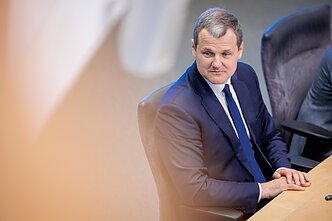
“This is a very clear signal from the US. The US administration and the Department of Energy are very concerned about Europe getting gas if Russian gas was turned off in the wake of the crisis in Ukraine,” the minister told LRT TV.
In November, Belarusian dictator Alexander Lukashenko suggested that he could shut down the natural gas transit to Europe via Belarus in retaliation to sanctions imposed over his handling of the migrant crisis.
But according to Russian President Vladimir Putin, the gas pipeline that passes through Belarus belongs to Moscow and carries Russian gas, so Lukashenko has no say in the matter.

This week, Belarus announced that it is banning cargo transit from Lithuania in retaliation to the country’s sanctions on Belarusian fertiliser shipments.
Read more: Belarus bans Lithuanian cargo transit in retaliation for sanctions
The regime could go even further and cut off the gas supply to the country. According to the energy expert Vidmantas Jankauskas, such a move is possible but not realistic.
“This pipeline carries gas to the Kaliningrad region. Kaliningrad receives much more gas from this pipeline than Lithuania,” he said.
Energy journalist Rytas Staselis also said that Lithuania would not be seriously affected if Belarus cut off the Russian gas transit.
“The LNG terminal is our guarantee that we, our economy, and our people will not be left without gas,” he told LRT TV.

Last year, 62 percent of the gas consumed by the Lithuanian economy and households came from the LNG terminal in Klaipėda, with the rest arriving from Russia. In January this year, Lithuania was almost free of Russian gas, Staselis said.
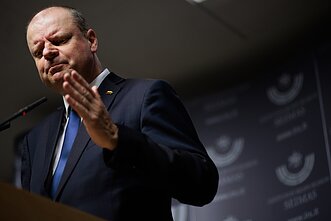
According to former Energy Minister Arvydas Sekmokas, the Lithuanian LNG terminal has enough capacity for the whole country, but there could be distribution problems.
“There are certain priority consumers, such as households, educational and medical institutions. [The supply] would be guaranteed for them first. And in the event of insufficient supply, there could be a shortage of gas for industry,” Sekmokas said.
Another possible issue could be price hikes.
“If gas supplies were cut off, especially to Europe, gas prices on the market would rise automatically,” the former energy minister added.
But according to Kreivys, Lithuania has a plan to ensure that there is enough gas for everyone and that prices do not rise.

Newsletter
Every Friday morning.