












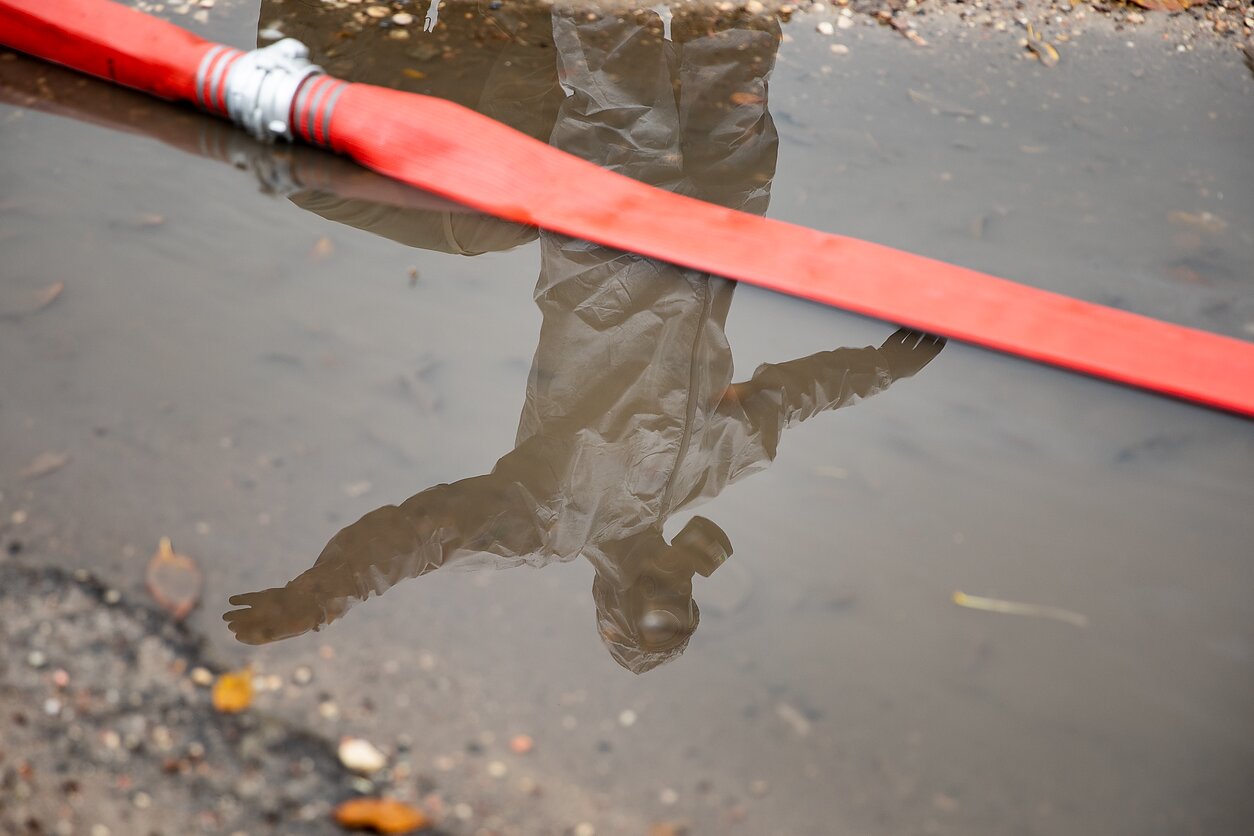
Lithuania has faced difficulties managing irregular migration and housing just 4,000 people. In case of an incident at the Belarusian nuclear plant, some 50 kilometres from Vilnius, tens of thousands would have to be evacuated. Would the country be ready?
Last week, the parliamentary Committee on National Security and Defence proposed last week to establish a crisis management centre in 2023 which would streamline response to emergencies.
The Extreme Situations and Crisis Management Centre would operate 24 hours a day, responding to reports from police and intelligence services, and will be granted rights to issue orders to ministries and municipalities in case of crisis.
Lithuanian state institutions lack the competence to handle critical incidents, since crisis management has long been an overlooked topic, according to independent risk analyst Šarūnas Andriukaitis-Sutkus.
“State and municipal institutions [...] aren’t even prepared to work together in order to solve some problem,” he said.
There were talks of proper crisis management back in 2000, according to Mečys Laurinkus, former director of Lithuania’s intelligence service, the State Security Department (VSD).
“However, it would end there. Everyone agreed that something has to be done [...] but you could feel the thought behind it all that if it is possible to not spend money, we should not,” he said.
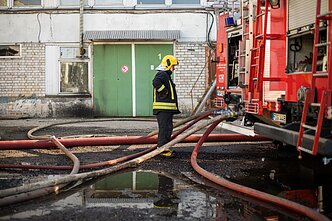
In 2019, a fire broke out at a tire warehouse in Alytus. State institutions then came under fire for inadequate handling of the situation.

Read more: Fire in Alytus shows Lithuania not prepared to deal with critical incidents, president says
The then interior vice minister, Česlovas Mulma, was only informed of the incident a few days later, when he returned to Lithuania after attending Interpol’s General Assembly. Meanwhile, Lithuanian President Gitanas Nausėda did not cancel his visit to Japan, instead criticising institutions for lack of cooperation afterward.
In 2016, then Deputy Interior Minister Elvinas Jankevičius said that Lithuania could close off the Belarusian–Lithuanian border if the country was unable to control refugee flows.
“For the protection of the eastern border, we are prepared on several levels, we could even close our borders,” he said.
Lithuania is currently facing an unprecedented migration influx of over 4,000 migrants entering the country from Belarus, but a fence is only now being installed.
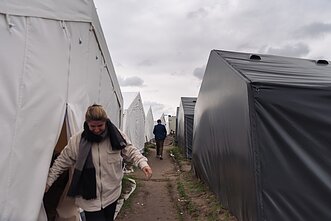
Meanwhile, only a few municipalities agreed to set up migrant camps in their constituencies.
Read more: Four undocumented migrants stumble into anti-migration protest in Lithuania
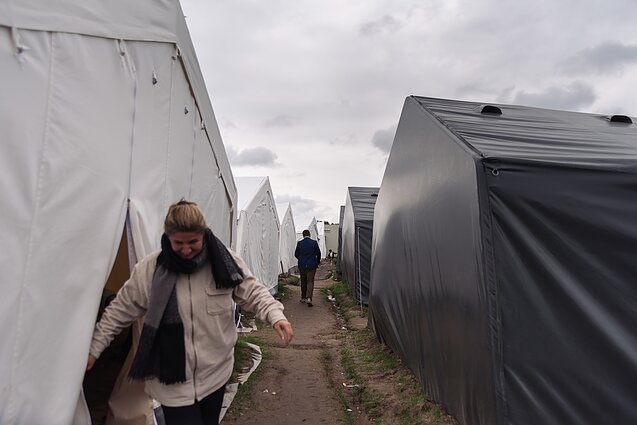
“A few years ago exercises on management of a migration crisis took place. The majority of municipalities participated and declared readiness, there is proof of readiness signed by heads of administration, “ said Deputy Interior Minister Kęstutis Lančinskas. “When we have a real crisis, we see that this readiness was too formal.”
Lithuania also faces a nuclear accident risk, saying that the Astravyets Nuclear Power Plant in Belarus, some 50 kilometers from Vilnius, fails to meet international safety and environmental standards.
In 2019, Vilnius City Municipality called off a planned drill to test the city’s response to a potential incident. However, then Interior Minister Eimutis Misiūnas stated that Vilnius authorities were unnecessarily sowing panic with such drills.
"They seem to be creating fear and panic among residents of Vilnius, although, basically, there's even no theoretical reason for doing so," said the minister.
Politicians are being careless about the dangers Astravyets power plant poses, said Albinas Mastauskas, a former head of the Radiation Safety Centre, adding that the government needs to be ready at any time to evacuate thousands of people from villages and towns closest to the plant.
“That’s 26,000 people, and I truly am worried about what is happening with 4,000 migrants, how ‘well’ we are dealing with that, so how will we deal with those 26,000, if we had to [...] properly evaluate who would take them, when and where.”
These 26,000 people will need accommodation and one bathroom per 1,000 people will not be enough, Mastauskas added.
Read more: Rosatom on Lithuania's doorstep: a Russian Trojan horse?

Newsletter
Every Friday morning.