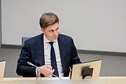







A new free and fair election in Belarus is the only way out of the current political stalemate, Lithuania's foreign minister said after an informal EU meeting in Berlin.
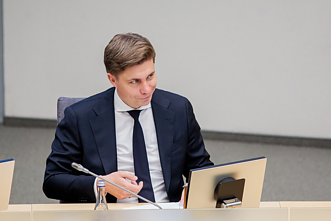
“At #Gymnich mtng, I stressed that it is critical for the EU to support new democratic elections in #Belarus, so that Belarusians can make their free, unhindered choice about the future they truly want,” Foreign Minister Linas Linkevičius tweeted after Thursday's meeting that focused on the situation in Belarus after the August 9 presidential election.
“For de facto authorities this is the only way out of this political & moral stalemate,” he added.
Linkevičius said in a press release later that the EU's direct support should go toward “the civil society, the independent press and, in particular, the victims of the repression”.
“The tense situation in Belarus demands the international community’s immediate attention, as the repression of citizens continues, the government rejects foreign mediation and there is a build-up of troops on the EU border. We also monitor the Kremlin’s [Russia's] interference and hybrid operations,” he said.
At #Gymnich mtng,I stressed that it is critical for🇪🇺to support new democratic elections in #Belarus, so that Belarusians can make their free, unhindered choice about the future they truly want. For de facto authorities this is the only way out of this political & moral stalemate pic.twitter.com/qcylZw4OjQ
— Linas Linkevicius (@LinkeviciusL) August 27, 2020
At the meeting in Berlin, EU foreign ministers “unanimously condemned the continuing violence by the Belarusian government towards peaceful protesters, the detention of those participating in protests, the persecution of Coordination Council members and media representatives”, according to the press release.
The ministers agreed to continue to work on sanctions for Belarusian officials responsible “for the violence against and the repression of peaceful protesters”, and “for the presidential election fraud”.

The ministers agree that EU bodies “shall conduct all the necessary legal procedures, constantly updating the EU sanctions list”.
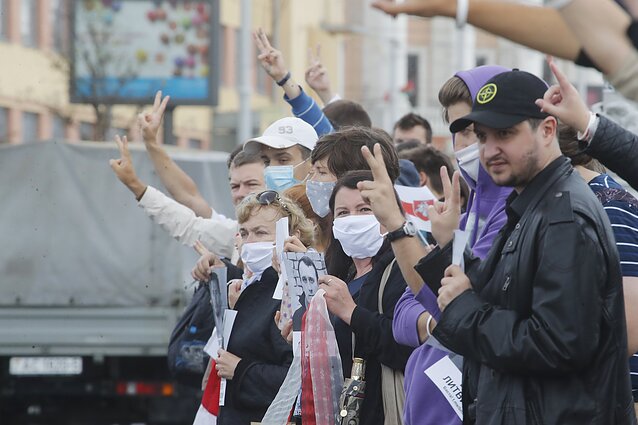
Belarus has been engulfed in a deep political crisis since Alexander Lukashenko, the autocratic leader who has been in power for 26 years, declared a landslide victory in the August 9 presidential election.
Massive protests challenging the official result were met with a brutal crackdown.
Diplomatic sources have told BNS that the EU is considering placing some 20 Belarusian officials on a sanctions list that is planned to be approved in September.

Newsletter
Every Friday morning.