







Lithuania’s Orthodox Church, which is subordinate to the Moscow Patriarchate, has warned that proposed legal amendments seeking to recognise the Constantinople Patriarchate’s exarchate as the sole representative of the country’s traditional Orthodox community could intensify social tensions.
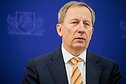
“There is a certain beating, an attack against our church,” Bishop Ambrosius of Trakai told reporters Tuesday, saying the pressure was being exerted through both public information and legal initiatives.
The proposals would deprive the Moscow-affiliated church of its status as a traditional religious community in Lithuania and transfer several historic religious sites to the Constantinople Patriarchate’s exarchate, he said.
“Conflict will be practically guaranteed if the laws being discussed are adopted,” Ambrosius said.

Conservative lawmakers Audronius Ažubalis and Arvydas Anušauskas registered the amendments last week. The proposed changes to the Law on Religious Communities and Associations would prevent religious communities from being recognised as traditional if their administrative centres were linked to states or organisations subject to international sanctions or deemed to pose a threat to Lithuania’s national security.
The amendments would also designate the religious centre established under the Constantinople Patriarchate’s canon law as the representative of Lithuania’s Orthodox community. They would establish that Orthodox property dating from the Grand Duchy of Lithuania or acquired after March 11, 1990, legally belongs to the Constantinople Patriarchate.
Under the proposal, six sites would be transferred from Moscow Patriarchate structures to the Constantinople exarchate by government decree: the Cathedral of the Nativity of the Theotokos, St Paraskeva Church, St Nicholas Church, the Monastery of the Holy Spirit in Vilnius, the Holy Spirit Monastery in Surdegis and the Church of the Dormition of the Mother of God in Vievis. The proposed rules would take effect January 1, 2027.
Ambrosius rejected claims that the Moscow-affiliated church poses a security threat, saying its clergy had opposed the war in Ukraine since its beginning. He also denied that parishioners were forced to commemorate Russian Orthodox Patriarch Kirill during services, although he said the church continued to pray for him.
He criticised the Constantinople-affiliated community, claiming it represents less than 1% of Orthodox believers in Lithuania and questioning its right to speak for the wider community.
The church has already appealed to its synod seeking autonomy from Moscow, Ambrosius said. Such a change would require approval under Orthodox canon law, he added, and would not immediately amount to full independence from the Moscow Patriarchate.
Senior priest Eugenijus Rudenko, dean of Vilnius, also criticised the proposals, arguing that the state should not decide which religious organisation represents another. The existing law recognises the Orthodox religious community as traditional without specifying a particular patriarchate, he said.
Rudenko said parishioners feared losing religious property and facing discrimination. He said the community planned to send an appeal to members of Parliament.
Priest Sergijus Kazarinovas, secretary to Metropolitan Innokenty, said the Moscow-affiliated church neither receives money from Russia nor sends funds to Moscow.

Newsletter
Every Friday morning.