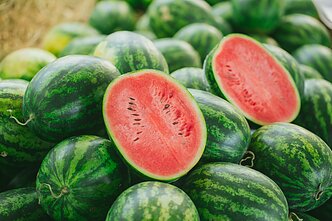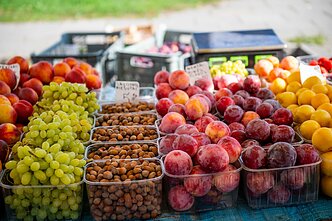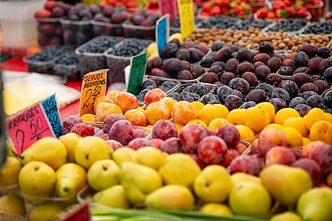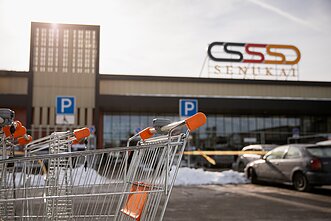
















Large price differences for watermelons sold at markets and supermarkets in Lithuania are largely driven by purchasing volumes and operating costs rather than excessive markups, small business representatives and retailers say.
The issue drew attention after a Vilnius resident told LRT.lt she was surprised to find, after weighing a watermelon, that the fruit at a local market would have cost her nearly 40 euros, while a similarly sized fruit purchased later the same day at a supermarket cost about 8 euros.
“I was shocked by the price and decided not to buy it,” the shopper, identified only as Reda, told the news outlet.
Airinas Jermolajevas, head of Lithuania’s Small Business Association, said it is natural for watermelons sold by market vendors or small retailers to cost more than those sold by major supermarket chains.
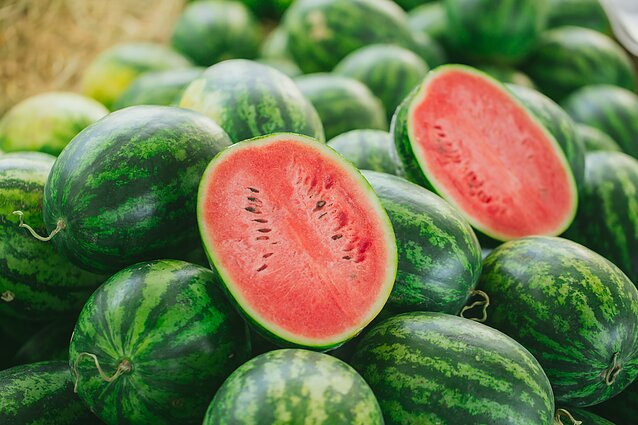
“Small businesses and large retail chains operate under completely different conditions,” he said.
According to Jermolajevas, supermarkets purchase dozens or even hundreds of tons of watermelons at a time, allowing them to negotiate significantly lower wholesale prices from suppliers.
By contrast, small vendors often buy only 100 to 200 kilograms, resulting in a much higher purchase price from the outset, he said.
Small retailers must also factor in costs such as market stall rental, transportation, storage, employee wages, taxes and losses from unsold or spoiled fruit.
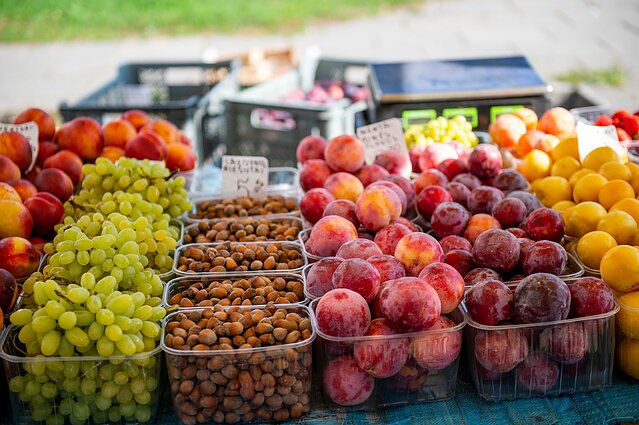
“All of these costs have to be covered through the sale price,” Jermolajevas said.
He added that watermelons sold in supermarkets and at markets often come from the same countries of origin, but consumers purchasing from small vendors are also supporting local businesses and jobs.
“The price difference is not necessarily the result of higher profits for small businesses, but of objectively different operating conditions,” he said.
Retailers also pointed to differences in watermelon varieties and seasonal factors.
Representatives of Lidl Lithuania said prices vary depending on whether the fruit is seeded, seedless, yellow-fleshed, mini-sized or organically grown, as production costs differ.
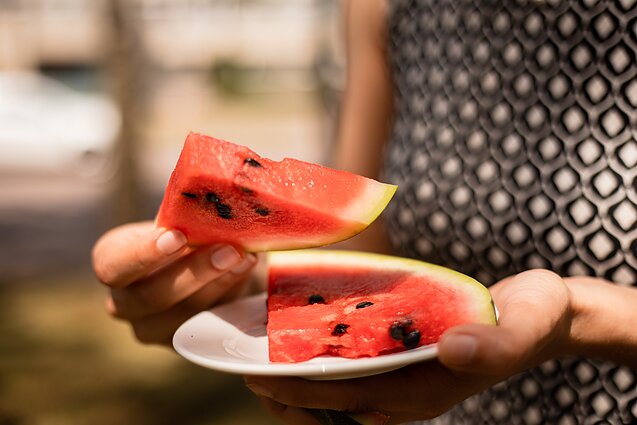
Iki spokesperson Gintarė Kitovė said watermelon prices typically fall during the summer because supply increases significantly.
“Watermelons become so popular during the summer that they even surpass bananas, which usually hold the crown as the most popular fruit during other seasons,” she said.
Rimi spokesperson Luka Lesauskaitė-Remeikė noted that the fruit’s weight also has a major impact on the final price consumers pay.
“Because watermelons are large and heavy, even a small difference in the price per kilogram can translate into a substantial difference at the checkout,” she said, adding that larger watermelons often weigh between 8 and 12 kilograms, or more.
Maxima spokesperson Titas Atraškevičius said retail prices are influenced by supply agreements with growers, as well as harvest volumes, watermelon varieties, growing regions and logistics costs.
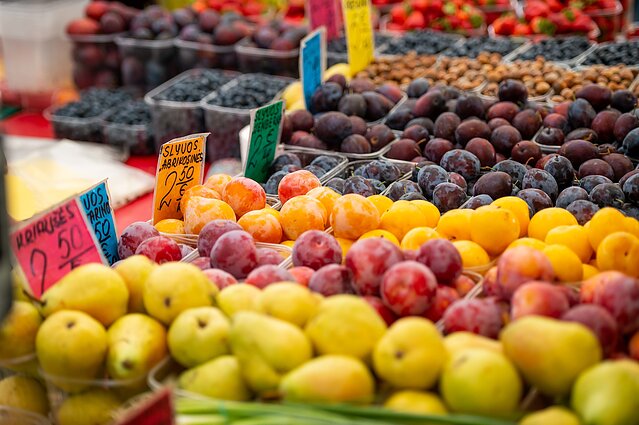
Meanwhile, consumers looking for locally grown watermelons will have to wait until later in the summer.
Lithuanian growers Ramūnas and Angelė Miliai said domestic watermelons usually reach the market in the second half of the season and are priced according to prevailing market conditions.
“Our watermelons certainly don’t cost 40 euros,” they said.
Representatives of the Jašinai family farm, another Lithuanian producer, said their watermelons sold for 1.50 euros per kilogram last year and expect prices to remain similar this season. They noted that larger fruit naturally carry a higher total price because of their weight.

Newsletter
Every Friday morning.