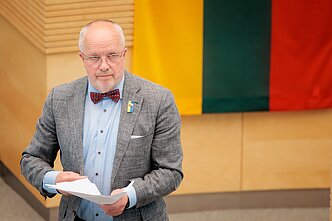













Lithuanian Foreign Minister Kęstutis Budrys on Monday said NATO should respond more forcefully after a Russian missile landed in eastern Poland last week, arguing that the alliance must reinforce its military presence and adopt a stronger political stance following the incident.
“There is a desire to remain calm, but to respond firmly,” Budrys said in an interview on LRT TV. “We have managed to remain calm. But that firm response should follow this incident, first and foremost through military capabilities.”
Budrys said previous NATO efforts to bolster forces in the region had helped deter further incidents.
“The Eastern Sentinel and Baltic Sentry operations showed that when we increase our military presence in the region – something Russia finds unacceptable – it takes precautionary measures. Incidents involving Poland stopped, and damage to infrastructure in the Baltic Sea also ceased,” he said.
He added that this did not necessarily mean every previous incident had been deliberate.
“It does not mean that every case was planned or carried out intentionally,” Budrys said. “But after this event, the response should be exactly the same.”

Polish authorities said Thursday that a roughly 10-metre-wide crater was discovered in the eastern Lublin region following an explosion during a new wave of Russian missile attacks on Ukraine.
Polish Defence Minister Władysław Kosiniak-Kamysz said the missile was a Russian Kh-101 cruise missile manufactured near Moscow. A spokesperson for the Lublin prosecutor’s office said a Ukrainian expert had no doubts about the missile’s origin or model.
A spokesperson for Poland’s Foreign Ministry said the Kh-101 missile is used exclusively by Russia’s strategic aviation.
NATO confirmed that the object that landed in Poland was a Russian missile, condemned the incident and said it remains in close contact with Warsaw. The alliance also pledged to continue taking all necessary measures to defend the territory of its member states.
“If there is a shortage of capabilities, we must increase them because we cannot normalise situations in which missiles enter our airspace,” Budrys said. “Ultimately, the political response from the alliance as an organisation could certainly have been stronger.”
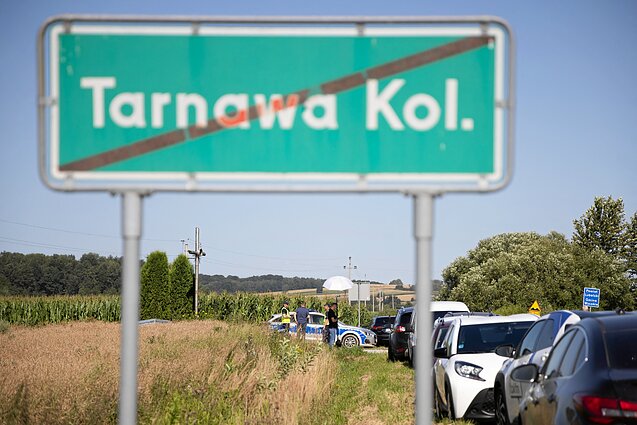
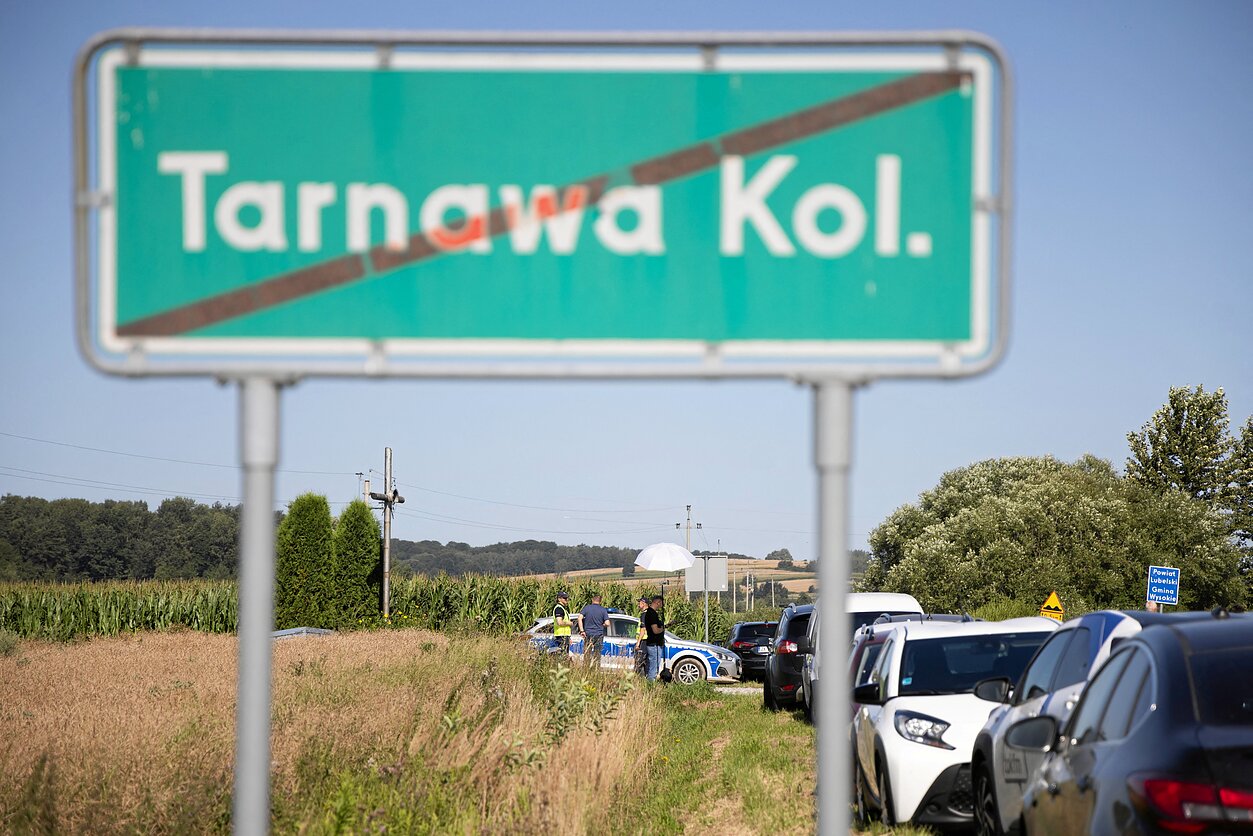
The missile landed near the village of Tarnawa Kolonia in eastern Poland, about 80 kilometres from the Ukrainian border, during an overnight Russian attack in which Moscow launched 74 missiles and 284 drones against Ukraine.
Since Russia launched its full-scale invasion of Ukraine in 2022, Russian missiles and drones have struck several countries in Eastern Europe, particularly Romania and Moldova.

Newsletter
Every Friday morning.