













Lithuania's is preparing to dismantle the RBMK-type reactor cores of the Ignalina nuclear plant – the same ones as in the Chornobyl plant. No one has yet done it.
The plant's second unit housed RBMK reactors that were among the most powerful in the world. Plant employees are currently dismantling everything that can be safely removed without highly specialised expertise.
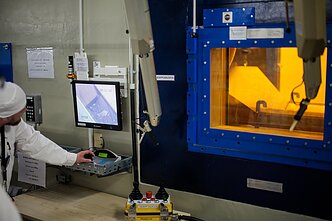
The reactor core will be dismantled by robots equipped with what plant officials describe as cutting-edge technology. Work on equipment with such high levels of radioactivity is not normally carried out by humans.
The reactor's graphite components are expected to be dismantled by specialists from international companies, most likely from the United States or France.
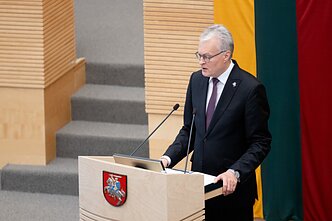
"This will be the most complicated task. But we will be the first in the world to have done it," said plant director Linas Baužys.
There is still a long way to go before that stage is reached. For now, visitors can still tour the reactor facilities.
"Everything is fully booked several weeks in advance," said Milda Kiškytė, as she guided visitors through the power plant, which is gradually being dismantled and cut apart.
Meanwhile, the city of Visaginas is developing plans to position itself as a centre for nuclear tourism, as ordinary visitors bring only limited economic benefits to the plant itself. The aim is to attract specialists and enthusiasts interested in nuclear energy.
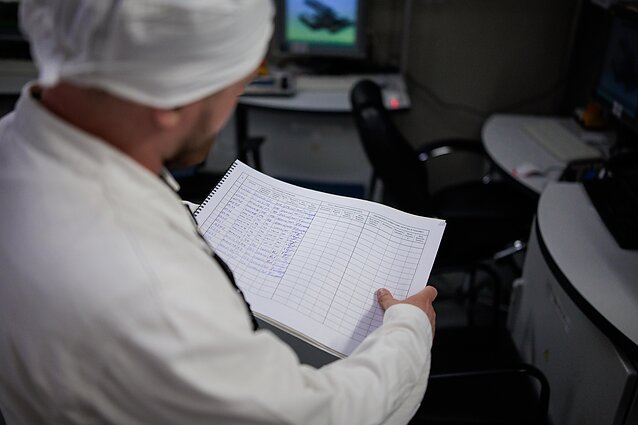
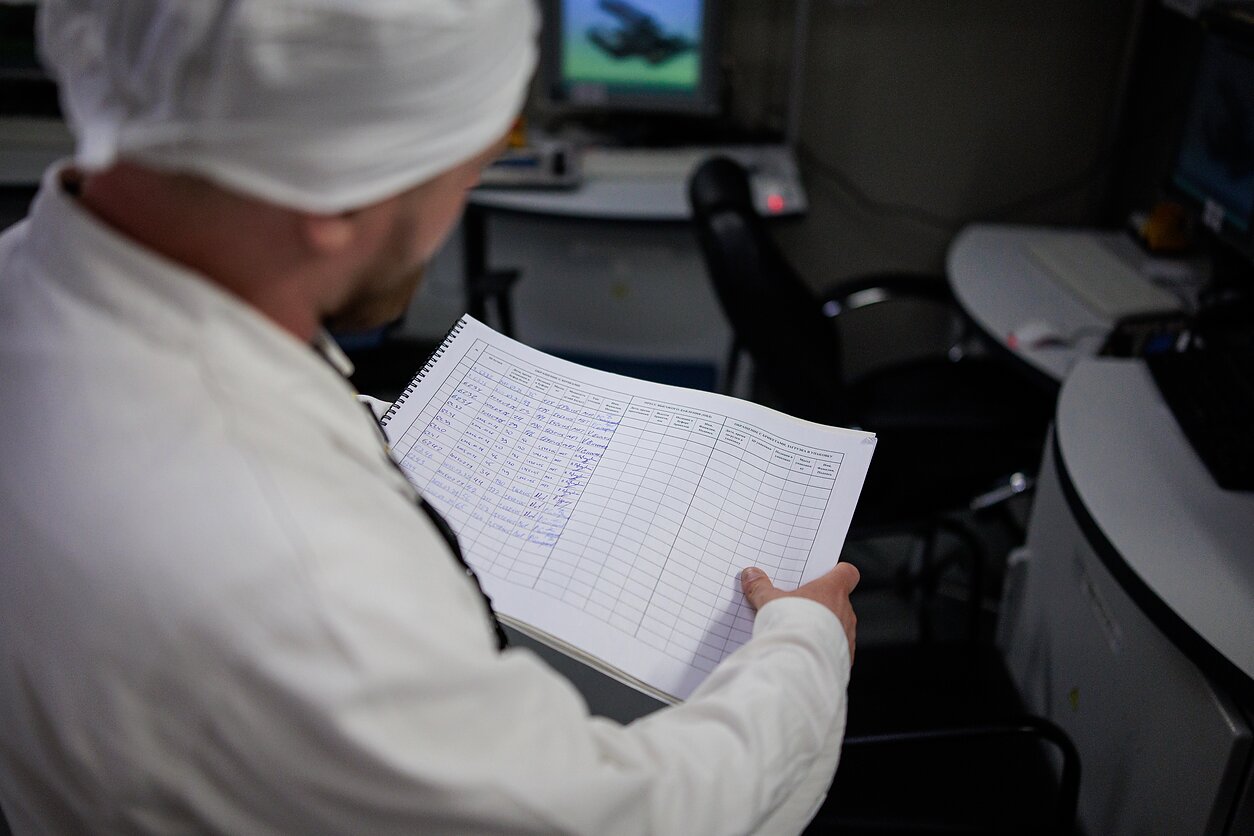
"Overall, 45% of the equipment has already been dismantled," said Jolita Mažeikienė, a spokeswoman for the plant, pointing to a map.
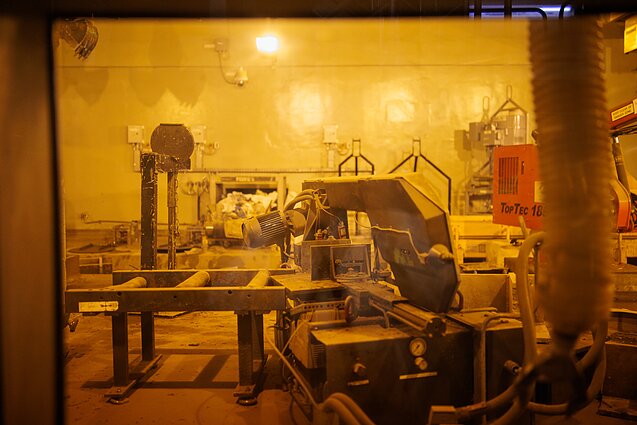
Although both spent and unused nuclear fuel have already been removed, access controls at the facility remain unchanged after decades. Visitors must still wear double layers of clothing, gloves, caps and other protective equipment.
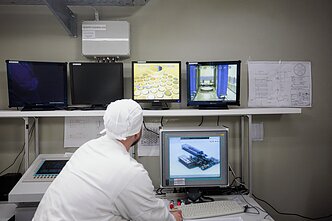
Everything is conducted as though the plant were still operating at full capacity. According to officials, this is normal because radioactive surfaces and highly radioactive equipment remain on site. The most hazardous components will be dismantled by robots rather than people.
"The dismantling process should be completed by 2049. The important thing is that we removed all fuel from the reactors and placed it into storage for 50 years. During that period, the state must build a deep geological repository where all spent fuel will be permanently disposed of by 2090," said plant directo Baužys.
Geologists are currently assessing 77 potential sites across nearly 30 municipalities. Visaginas municipality, however, has already been ruled out as unsuitable for such a repository.
"Scientists, not politicians, will determine where the repository will be located," Baužys said.
Political battles over the final location remain in the future.
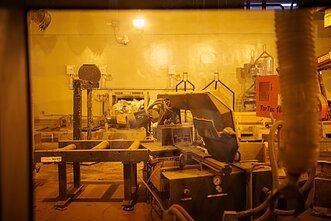
Some areas of the decommissioned plant now resemble a vast metal scrapyard, with virtually everything that can be dismantled being cut apart. The recovered metal is either sold at auction or recycled.
"Our goal is for at least 77% of the metals to be decontaminated and returned to secondary use. For example, we plan to clean 1,400 tonnes of copper, which could then be used in the production of wind turbines," Baužys said.
Otherwise, if the metal were not decontaminated and cleared of radioactive contamination, a much larger and significantly more expensive deep repository would have to be constructed, adding millions of euros in costs.
Materials that cannot be sold or reused are sent to storage facilities according to their level of radioactivity. For now, these facilities are only temporary until a permanent solution is found.
One example is the reactor refuelling machine, a specialised crane that was once among the plant's most important pieces of equipment. Nuclear fuel had to be replaced regularly, but the machine itself has now also joined the dismantling process.
"Even in several hundred years, the repositories for radioactive components will probably look like mounds or small hills. The spent fuel storage facilities will remain as concrete structures.
"We are also considering whether it is worth demolishing the main reactor buildings at all. It may make more sense to preserve them as a scientific testing ground or technology centre rather than spend €100m on demolition," the plant director said.

Newsletter
Every Friday morning.