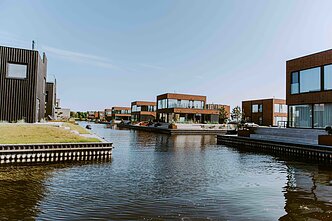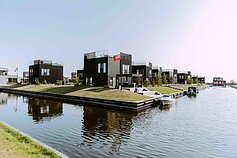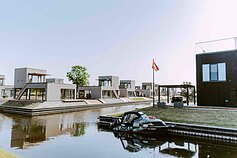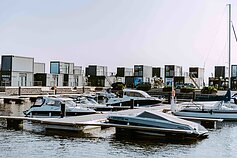












On the eastern shores of the Curonian Lagoon, a once-forgotten village is quietly reshaping how Lithuania relates to water. Based on a press release by Do Architects.
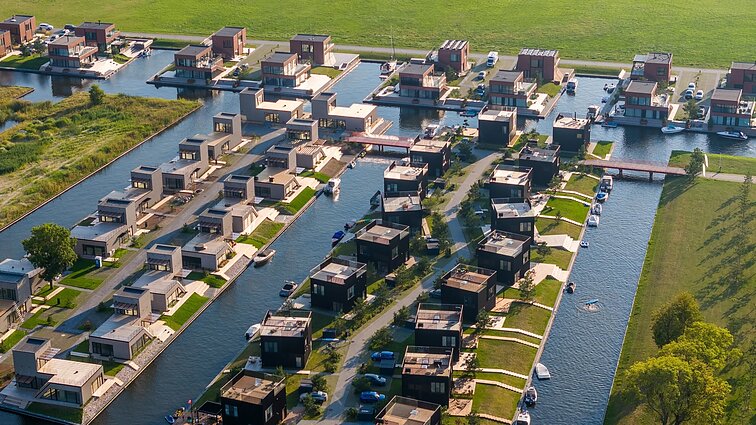
Over the past decade, Svencelė has evolved from an abandoned rural outpost into a fast-growing hub of canals, boats and wind sports – so quickly, in fact, that digital maps often fail to keep up with its expanding waterways.
For a country with a coastline but little tradition of maritime living, the transformation is striking. Lithuania has long been associated with the dunes of the Curonian Spit, the resort town of Palanga and the port of Klaipėda. Svencelė, by contrast, remained largely unknown, at least until recently.
A vision shaped by wind and water
The area’s revival began with wind. Strong Baltic gusts, intensified by nearby dunes, made Svencelė a natural hotspot for kitesurfing. For years, enthusiasts camped along the lagoon’s edge, forming a loose, seasonal community.
That began to change in the early 2010s, when entrepreneur and kiteboarding enthusiast Dainius Šatkus partnered with the DO Architects to reimagine the site.
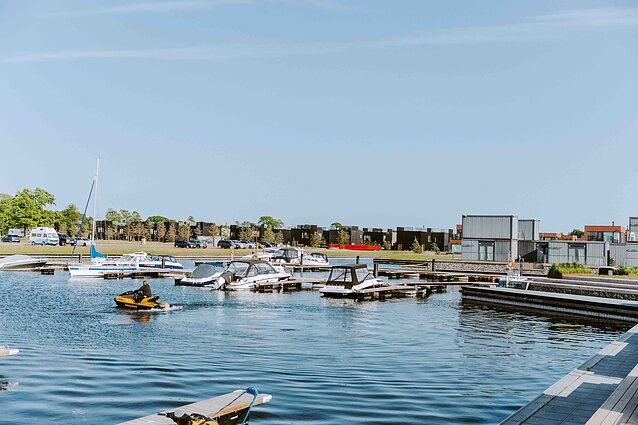
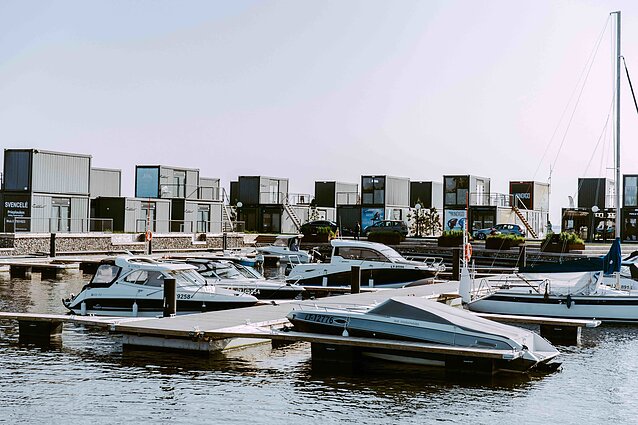
Their first step was unconventional: repurposed shipping containers became cafes, shops, hostels and kite schools. The approach gave Svencelė a raw, experimental identity – part sports hub, part cultural space – and turned it into a recognisable destination.
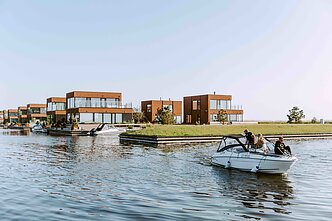
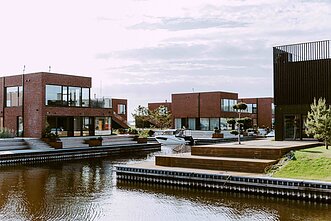
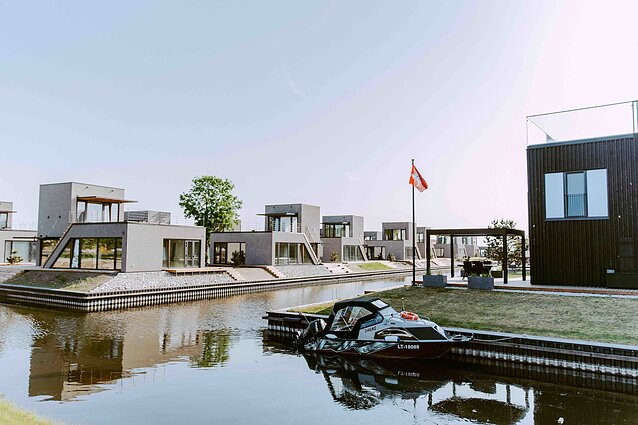
But the long-term vision went further. Planners envisioned a place where land and water would intertwine, with canals, artificial islands and homes integrated into the landscape. By the 2020s, that vision began to take physical shape, marking a turning point for the village.
A boom few saw coming
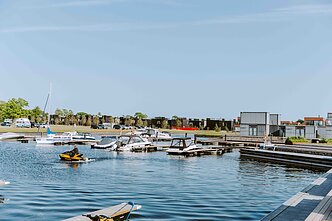
As canals spread and a private harbour took form, Svencelė started attracting not just kitesurfers but also sailors, nature lovers and property developers.
What was once a single-project initiative has spilled far beyond its original boundaries. Surrounding lands – stretching along the lagoon and inland – have become one of the hottest real estate zones in the country, with new holiday homes and year-round residences rising quickly.
The pace of development has created an unusual phenomenon: listings for waterfront properties often show canals that do not yet appear on standard maps. In Svencelė, the landscape is changing faster than it can be documented.
Rediscovering an old idea
For urban planner Andrė Baldišiūtė, who helped shape the master plan, the concept is less radical than it seems.
“People have lived by the water here for more than 400 years,” she said. “They reclaimed land, built embankments, created polders and canals to manage it.”
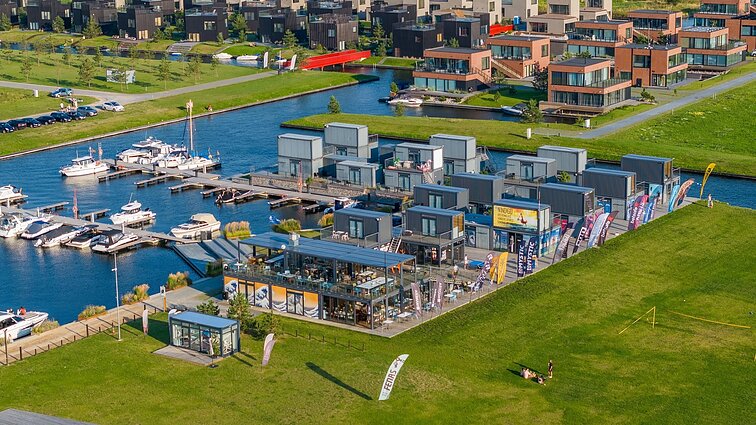
That legacy, influenced historically by Dutch engineering, is being reinterpreted for modern life. Canals that once served agriculture are now adapted for recreation, housing and tourism, while still helping regulate water levels.
In that sense, Svencelė is both new and old: a contemporary project rooted in centuries of landscape management.
A growing water network
Today, Svencelė is emerging as part of a broader water tourism network across western Lithuania. Routes connect the lagoon to Klaipėda, the resort areas of Neringa, the island of Rusnė and other coastal landmarks.
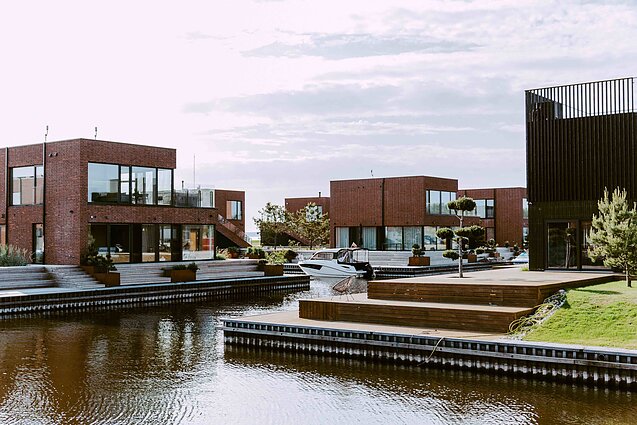
Local authorities are now planning the next stage. The Klaipėda region is preparing a wider development strategy that would expand canal systems further, including upgrades to historic waterways such as the King Wilhelm Channel, and guide new construction along their banks.
For now, Svencelė remains largely recreational, a place for wind, water and open skies. Visitors come for kitesurfing, sailing and birdwatching, experiencing a landscape that feels both natural and designed.
But its future may be more permanent. Architects and planners increasingly see Svencelė not just as a destination, but as a place to live year-round, a rare example in Lithuania of a true “water town”.

Newsletter
Every Friday morning.