













American-style excess or practical German engineering? Three decades ago, many Lithuanians faced that choice as the country emerged from Soviet rule and Western cars began replacing scarce, outdated domestic models.
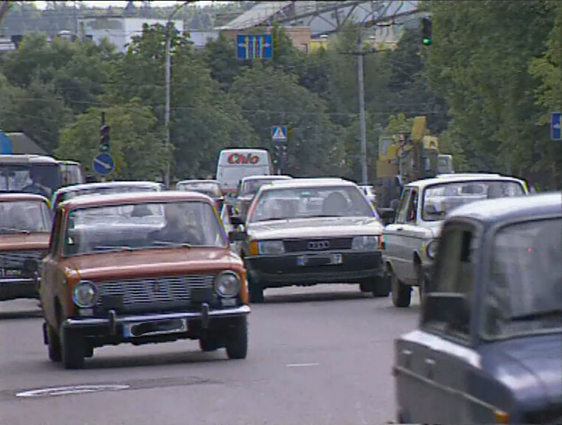
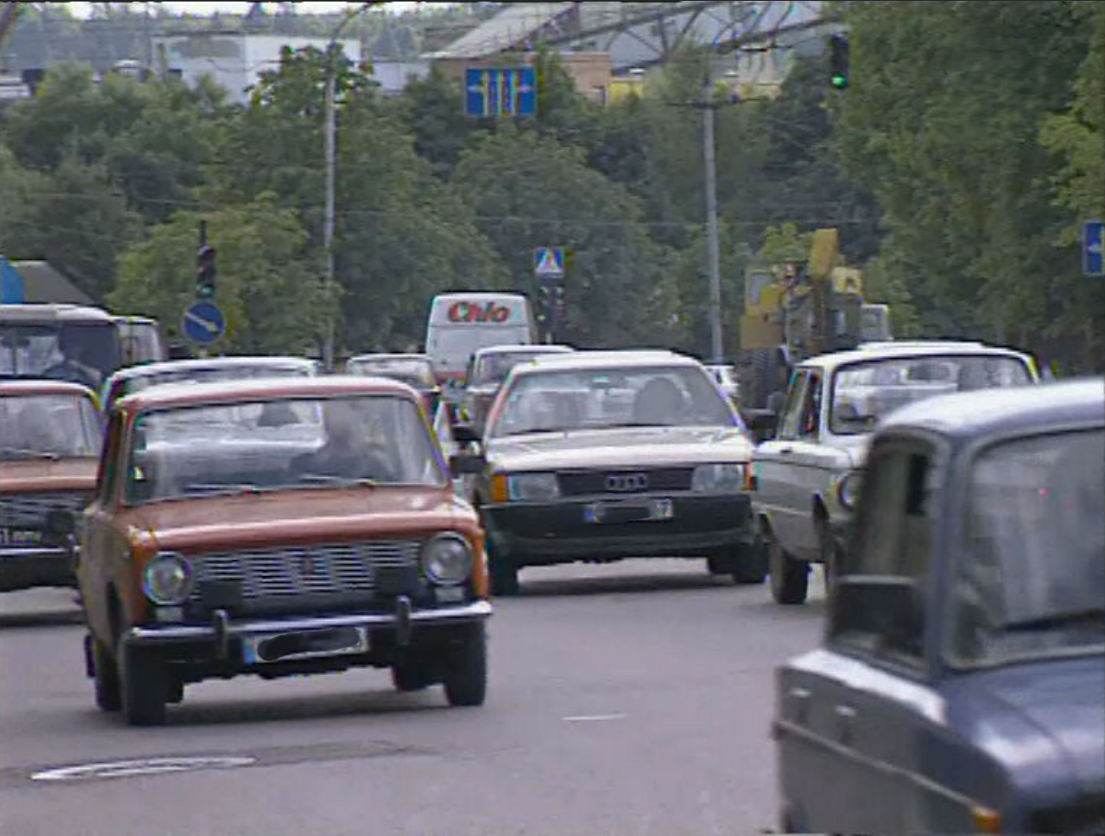
In the early 1990s, as Lithuania restored independence, vehicles such as the Soviet-era Lada quickly lost ground to imported cars from Western Europe and beyond. These vehicles became symbols of aspiration, even as they raised concerns about affordability, safety and the long-term condition of the country’s car fleet.
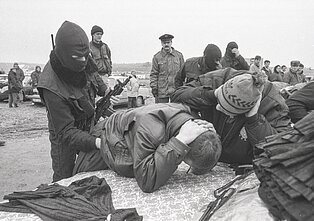
Traveling abroad to purchase used cars often became a risky livelihood. Traders spent days at border crossings and faced dangers ranging from theft to violent attacks on the road.
“Lithuanians had no settled taste in cars at the time, so absolutely everything was imported from the West,” said Augustas Balčius, an automobile enthusiast and publisher, speaking on LRT RADIO. “Those cars essentially shaped people’s preferences.”
In the early transition years, Western brands like Volkswagen and Audi rapidly gained popularity, particularly models such as the Volkswagen Golf and the Audi 100, valued for their simplicity and durability.
“These cars were practical and easy to maintain. They suited both city residents and rural drivers,” Balčius said. Same cars often served a multitude of uses, from commuting to transporting goods.

While American cars briefly enjoyed a surge in popularity, their high maintenance costs and lack of spare parts made them less practical. German cars, by contrast, offered reliability and accessibility, helping them dominate the market.
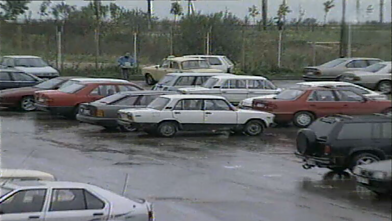
By the mid-1990s, Lithuania had begun establishing official car dealerships, with dozens operating by 1993. However, most people still relied on car markets, where used vehicles dominated sales.
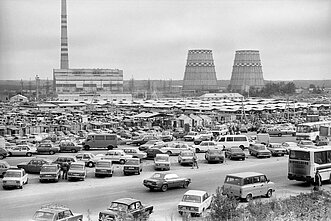
One of the most prominent hubs was the Gariūnai market in Vilnius, which became a bustling centre of trade and, at times, lawlessness.
“It was like a mini Las Vegas,” Balčius said. “There were concerts, entertainment, but also racketeering and attempts to manipulate prices.”

The trade attracted thousands, including unemployed workers seeking income. Yet the business was fraught with risk, especially during trips through Poland, which traders described as particularly dangerous.
“There are stories of people being stopped, shot in the leg, robbed and forced to abandon their cars,” Balčius said.
At the same time, concerns emerged about the environmental and economic impact of importing aging vehicles. Critics warned Lithuania could become a dumping ground for Western Europe’s outdated cars.
In 1994, journalist Jogaila Morkūnas noted that only about 10% of vehicles on Lithuanian roads were Western-made – the rest of the drivers hanging onto their Ladas – but predicted a surge in older imports.
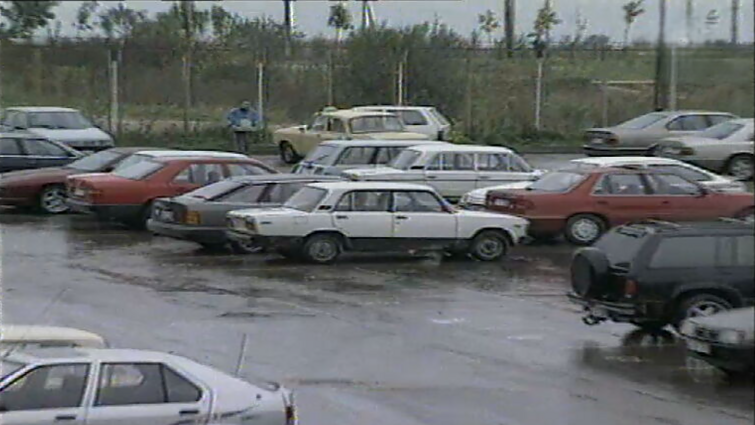
“Soon we will lead Europe in rusting cars,” he said in a report at the time.
Car ownership itself came with challenges. Theft was widespread, aided by rudimentary alarm systems. In some cases, stolen vehicles were later “sold back” to their original owners in what became a cynical business model.
Meanwhile, luxury vehicles began appearing in Lithuania, highlighting growing economic inequality. Rare models such as the BMW 8 Series and the limited-production Lotus Omega drew attention, though they were often targets for theft.
Government officials also transitioned to Western vehicles. Early post-independence leaders moved from Soviet limousines to models like the Mercedes-Benz W126 and later Audi V8.
By the late 1990s, as Lithuania’s economy stabilised, official dealerships and newer cars gradually displaced the once-dominant open-air automobile markets.

“People adapted,” Balčius said. “Some expanded their businesses, others moved on. As living standards improved, demand shifted toward newer vehicles.”
Today, the era continues to fascinate enthusiasts, with vintage cars and even old license plates becoming collectible items.
“The market is strong, and interest spans generations,” Balčius said. Even young people are choosing older cars – not because they have to, but because they want to.

Newsletter
Every Friday morning.