













Lithuania’s Culture Ministry on Monday presented the framework for the Year of Lithuania in Germany, a cultural programme with a projected budget of 2.2 million euros aimed at strengthening bilateral ties and promoting Lithuanian culture abroad.
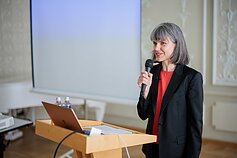
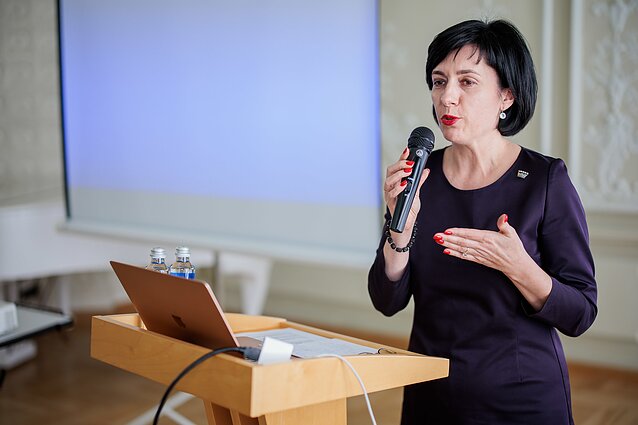
“This is just the beginning, but the start is often the hardest part as we must establish the guidelines and the concept of where we are headed,” Culture Minister Vaida Aleknavičienė said during the presentation. “We have set an ambitious goal. The year in Germany is strategically vital, and we all hold high expectations for it.”
According to the Ministry of Culture, the funding plan includes 200,000 euros for preparations and visit programs in 2026, followed by 1 million euros annually in 2027 and 2028. Of the total, 1.5 million euros will be allocated directly to the cultural sector through open calls.
“Given the projected budget, I am confident the team will make every effort to achieve the best possible result. Quality is not always determined solely by funding,” Aleknavičienė said.
The programme aims to promote intercultural exchange, build long-term partnerships based on European values and increase Lithuania’s visibility as a European partner through cultural initiatives.
The Lithuanian Culture Institute described the initiative as an effort to encourage active social participation and strengthen resilience among individuals and communities through equal dialogue.
The programme will be structured around three thematic pillars: Time, People and Spaces.
“We will offer an open field of themes. Aspects such as neighbourhood, micro-histories, and reaching a broad audience across all social strata will be very important to us,” said Rita Valiukonytė, head of the initiative.
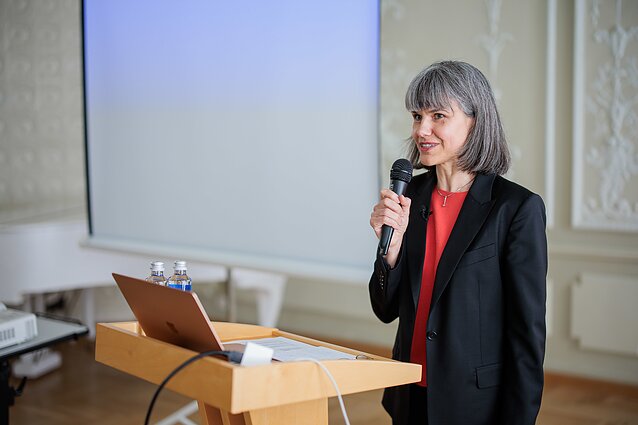
Valiukonytė said the programme will be developed gradually, with the first call for applications scheduled for October 2026 and results expected in January 2027. Additional calls will follow in 2027 and early 2028.
Applicants will be required to have a partner in Germany, with organisers offering assistance in finding partners. The programme will cover 100% of mobility costs, including international travel, transportation of works and equipment, insurance and per diems, but will not fund production costs.
A first meeting with German counterparts is set for March 27 to present the initiative and encourage participation.
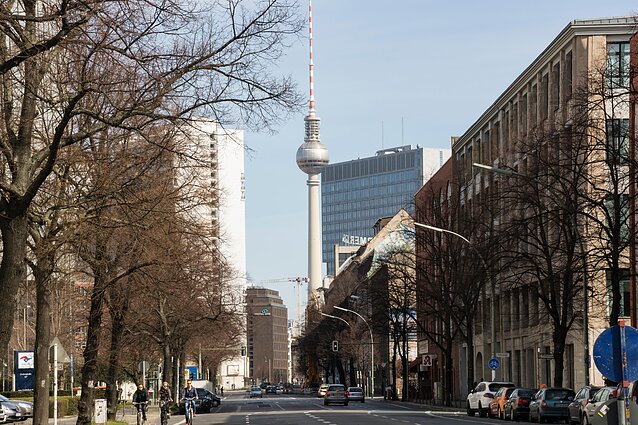
The programme is intended to span all 16 German federal states. There are currently no plans for a reciprocal German cultural year in Lithuania.
“At this stage, we do not have such a programme as it depends on Germany. We would need concrete proposals from their side, but we have no information currently that this will happen,” Valiukonytė said.
The initiative is being organised by the Culture Ministry in cooperation with the Ministry of Foreign Affairs and the Lithuanian Culture Institute, with support from diplomatic missions and cultural attaché Irma Šimanskytė.
According to the ministry, mutual support for the initiative was expressed last year during visits by German officials to Lithuania and in meetings in Berlin with Wolfram Weimer.
The Year of Lithuania in Germany is scheduled for 2027, with the main programme set to launch in the second half of the year following Lithuania’s presidency of the Council of the European Union.

Newsletter
Every Friday morning.