














More than six in 10 people in Lithuania say they are concerned about uncontrolled migration, according to a recent Eurobarometer survey. But experts say the roots of that anxiety may lie less in migration itself and more in how it is discussed.
The poll, conducted November 6-30 among 1,023 Lithuanian residents and published in February, found that 67% of respondents are worried about uncontrolled migration. That places the issue among the public’s top concerns, alongside wars near the European Union’s borders, disinformation and cyberthreats.
Seventy percent of respondents said they fear conflicts and wars near the EU’s borders. Fifty-nine percent cited false or misleading information as a concern, 57% pointed to online personal data protection and 54% to artificial intelligence-generated fake content.
For some politicians, the migration figure signals a public awakening.
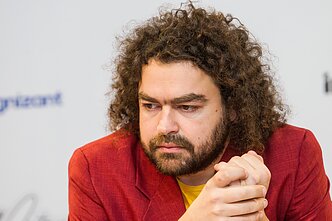
MP Vytautas Sinica, representing the far-right National Alliance and one of the anti-migration voices in the Lithuanian parliament, Seimas, called the results a sign of “growing awareness”.

“In my opinion, the numbers of migrants are indeed large and rapidly increasing in Lithuania, so it is natural that people see this as a significant phenomenon,” he said.
He argues that state institutions often present migration too positively – as an asset for the economy – and that Lithuania must reassess which migrants it truly needs. In lower-skilled sectors, he said, employers want to suppress wages by hiring cheaper foreign labour.
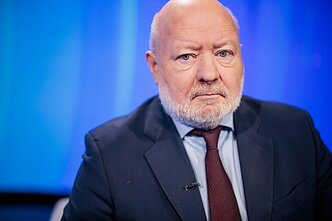
Liberal (sic!) lawmaker Eugenijus Gentvilas takes the concern even further. Discussions about migration, he said, are “extremely relevant”, adding that he was surprised the share of worried respondents was not even higher.
“I think everyone should say we are afraid of uncontrolled migration,” he said.
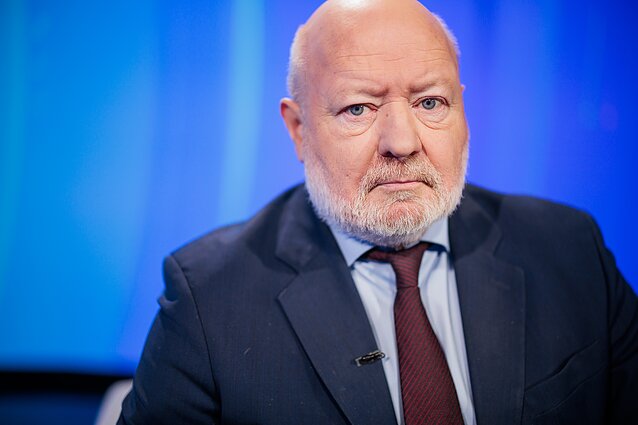
Gentvilas’ concerns extend beyond irregular arrivals – he said Lithuanians should worry about “controlled migration” as well, consisting mostly of war and political refugees from Ukraine and Belarus, and think more broadly about integration, not only into the labour market but into society and culture.
According to Lithuania’s Migration Department, more than 217,000 foreigners lived in the country last year. Of them, more than 106,000 held temporary residence permits tied to employment.
For migration expert Karolis Žibas, however, the survey reflects something larger than migration flows alone.
“These numbers reflect the current mood across Europe,” he said. But, he added, public attitudes toward migrants “have nothing to do with what is happening in reality”.
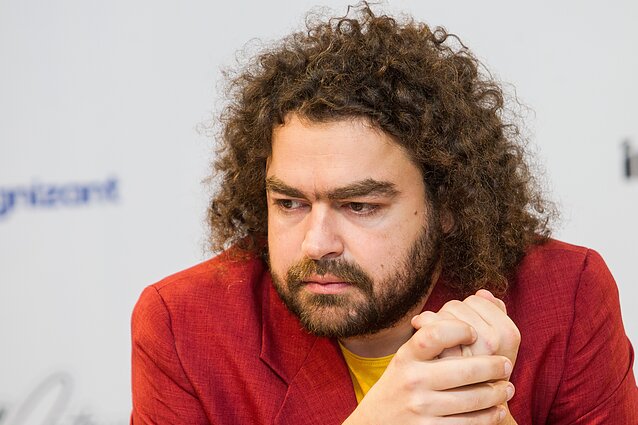
Žibas pointed to earlier Eurobarometer research showing that across EU member states, people tend to overestimate migrant populations in their countries by five to 10 times. In his view, perceptions are shaped less by statistical realities than by political rhetoric and emotionally charged public discourse.
“Attitudes are formed not by migration itself, but by political rhetoric and the emotions prevailing in public discourse, rather than logical and strategic discussions based on research and data,” he said.
Aurelija Auškalnytė of the NGO Mental Health Perspectives sees risks in that dynamic. She said far-right politicians across Europe often frame migrants and minorities as threats, encouraging a climate of fear.
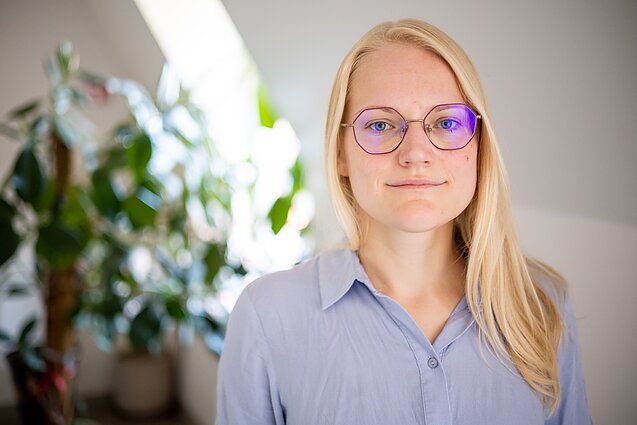
Such narratives, she warned, can harm people who are working, paying taxes and trying to integrate, while distracting from deeper structural issues.
“Attention is diverted from the real problems we should be addressing so that inequality or the sense of injustice decreases in Lithuania,” she said. “We lack active discussion that a person’s nationality, country of origin or appearance does not determine their value.”

Newsletter
Every Friday morning.